Methodology
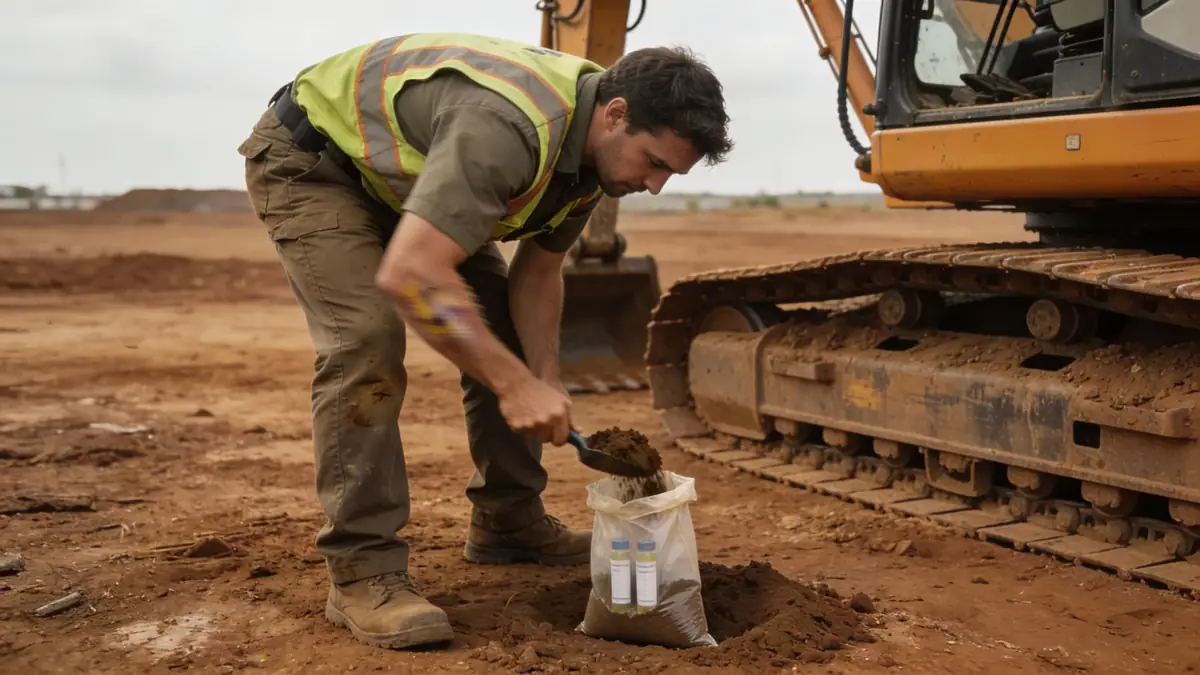
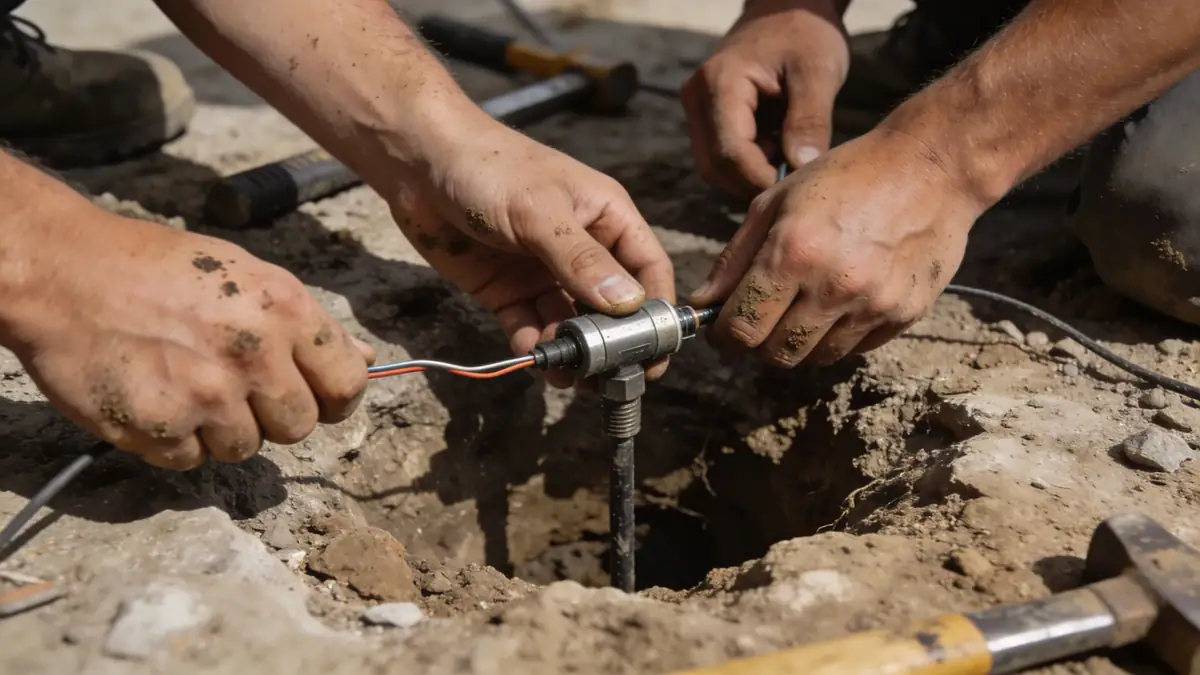
Our methodology integrates standard penetration testing (SPT) with advanced laboratory procedures to characterize subsurface conditions. Field operations follow ASTM D1586 for SPT boring, ensuring consistent sampling and blow count recording. Soil samples are classified using the Unified Soil Classification System (USCS) and subjected to triaxial, consolidation, and direct shear tests to determine strength and compressibility parameters. Slope stability analyses employ limit equilibrium methods (Bishop, Janbu) and finite element models to evaluate failure mechanisms. Retaining wall designs incorporate active/passive earth pressures per Coulomb and Rankine theories, with seismic coefficients per ASCE 7. Our team utilizes geotechnical software (e.g., PLAXIS, GeoStudio) for advanced modeling. Each project undergoes peer review to ensure accuracy and adherence to local codes. For detailed procedures, refer to our SPT Boring service.
Reference Technical Parameters
| Parameter | Reference Value |
|---|---|
| SPT N-value (blows/ft) | 4–50 (typical range) |
| Unconfined Compressive Strength (ksf) | 1–10 (cohesive soils) |
| Friction Angle (degrees) | 25–45 (granular soils) |
| Allowable Bearing Capacity (ksf) | 2–8 (spread footings) |
| Seismic Site Class (ASCE 7) | A–F (based on Vs30) |
Local Considerations — USA
The United States exhibits diverse geologic conditions, from the glacial tills of the Midwest to the alluvial deposits of the Gulf Coast and the weathered rock of the Appalachians. Seismic hazards vary significantly, with active zones along the Pacific coast, intermountain west, and New Madrid region. Our firm applies region-specific design parameters per ASCE 7 and local building codes. In areas with expansive clays, we recommend moisture control measures and deep foundations. For projects in seismic zones, liquefaction potential and site response analyses are routinely performed. Understanding these local factors is critical to safe and economical foundation design. For more on regional considerations, see our work in Allentown.
Request a Quote
Our team reviews your project and issues an initial report at no cost.
Or write us directly at [email protected]
Applicable Standards
- ASTM D1586
- ASCE 7
- IBC (International Building Code)
- AASHTO (for transportation projects)
Frequently Asked Questions
What is the typical scope of a geotechnical investigation?
A standard scope includes SPT borings to characterize subsurface stratigraphy, groundwater monitoring, laboratory testing on disturbed and undisturbed samples, and engineering analysis to provide foundation recommendations, slope stability assessments, and earthwork specifications.
How are seismic site classifications determined?
Seismic site class is defined per ASCE 7 based on average shear wave velocity (Vs30) in the upper 100 feet, SPT N-values, or undrained shear strength. Our team performs field measurements or correlations to assign the appropriate site class for design.
What factors influence retaining wall design?
Key factors include soil type and strength (friction angle, cohesion), groundwater conditions, surcharge loads, seismic accelerations, and wall geometry. Our designs consider active and passive earth pressures, global stability, and drainage to ensure long-term performance.