Methodology
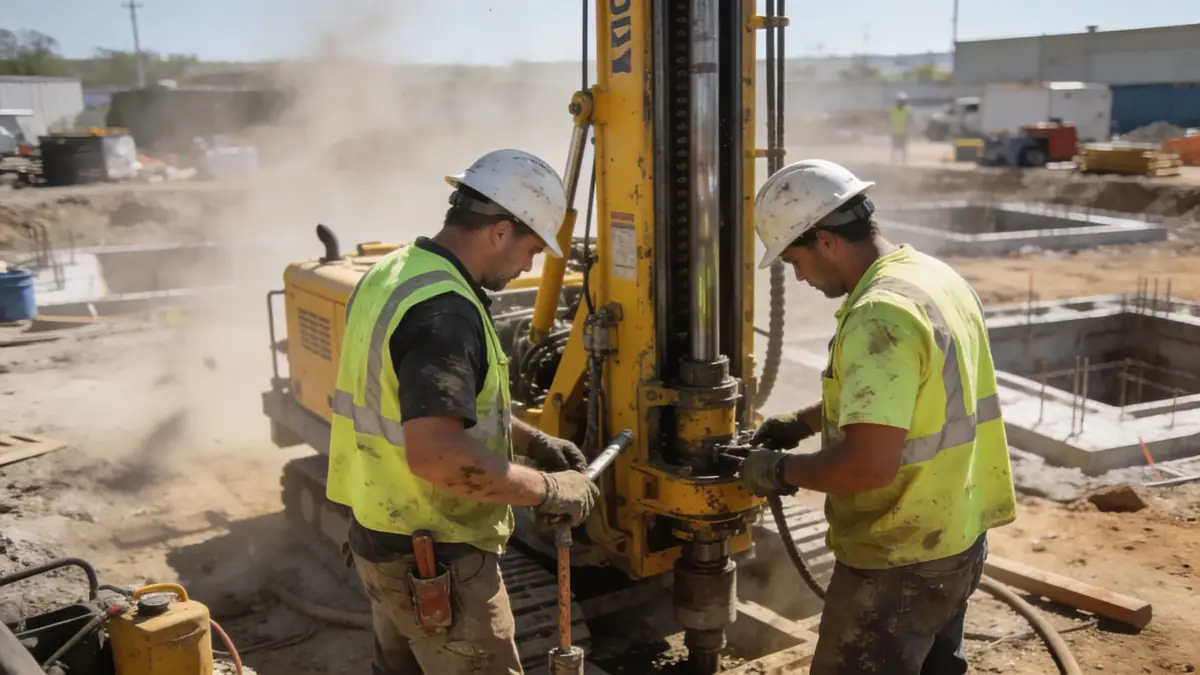
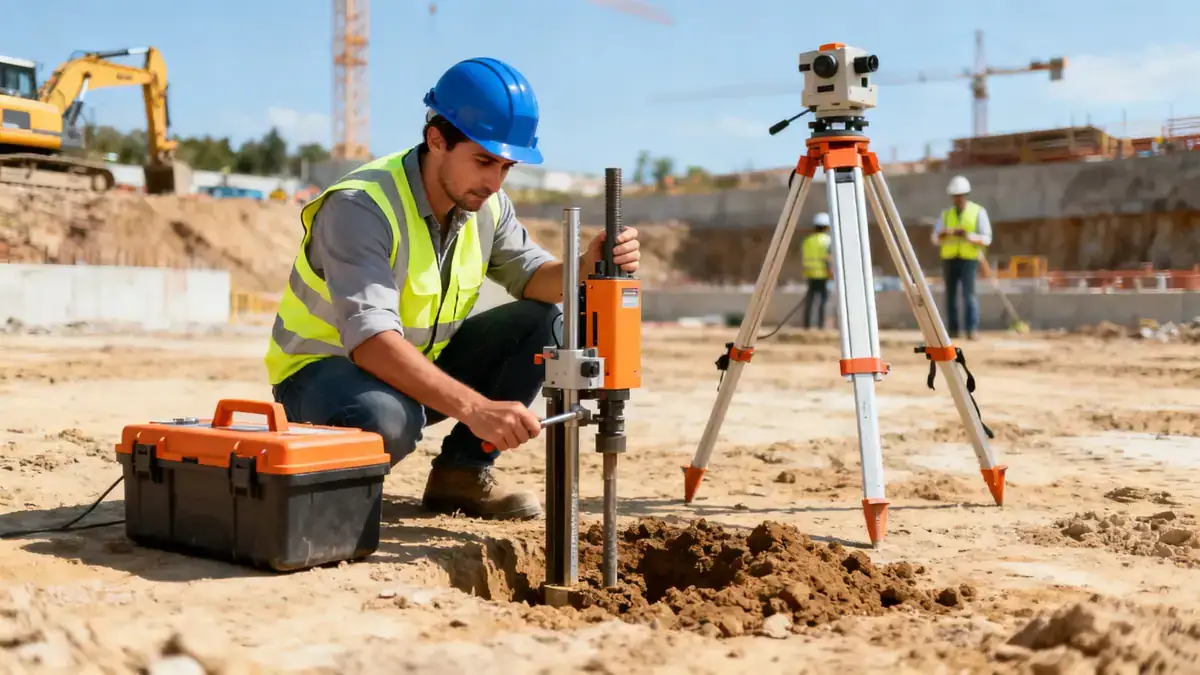
Our methodology for geotechnical engineering in Houston integrates a phased approach: desk study, field exploration, laboratory testing, and analysis. Fieldwork typically includes spt boring at 1.5-meter intervals per ASTM D1586, supplemented by cone penetration tests (CPT) for continuous profiling. Soil samples are classified via ASTM D2487 and tested for moisture content, Atterberg limits, and unconfined compressive strength. This data informs bearing capacity, settlement predictions, and lateral earth pressures. Our team tailors exploration depth and spacing to site geology and load requirements, ensuring cost-effective designs.
Reference Technical Parameters
| Parameter | Reference Value |
|---|---|
| Predominant soil type | Highly plastic clay (CH) and silty clay (CL) |
| Maximum seismic acceleration (PGA) | 0.1g to 0.2g (ASCE 7-16 Site Class D) |
| Typical groundwater level | 2 to 5 meters below ground surface |
| Bedrock depth | Over 300 meters (deep sedimentary basin) |
| Typical N60 range (SPT) | 5 to 30 blows/ft (clay to dense sand) |
Local Considerations — Houston
Houston’s geology is dominated by Beaumont Formation clays, known for high plasticity and shrink-swell potential. This requires careful moisture control and often deep foundations. Seismic hazard is low (PGA <0.2g), but soil amplification can occur. Groundwater is shallow in coastal areas, complicating excavations. Our team adapts to these variables, recommending soil mechanics laboratory testing for consolidation and shear strength. Typical challenges include differential movement between clay and sand lenses, and corrosion potential due to acidic soils.
Request a Quote
Our team reviews your project and issues an initial report at no cost.
Or write us directly at [email protected]
Services in Houston
Locations covered in Houston
Applicable Standards
- ASTM D1586 (Standard Penetration Test)
- ASCE 7-16 (Minimum Design Loads for Buildings)
- International Building Code (IBC) 2021
- Houston Soil Report Guidelines (City of Houston)
Frequently Asked Questions
What soil types are common in Houston?
Houston’s soils are predominantly high-plasticity clays (CH) from the Beaumont Formation, with interbedded silts and sands. These clays have high shrink-swell potential, requiring geotechnical evaluation for foundation design to avoid differential movement.
Is seismic design required in Houston?
Yes, the IBC and ASCE 7 classify Houston as Seismic Design Category A to B, with low ground motion. However, site-specific seismic analysis is recommended for critical facilities due to potential soil amplification from deep clay deposits.
Are geotechnical studies mandatory for construction in Houston?
The City of Houston requires a geotechnical report for permits of buildings over three stories or with significant loads. Even for smaller projects, a geotechnical investigation is strongly advised to mitigate risks from expansive clays and groundwater.