Methodology
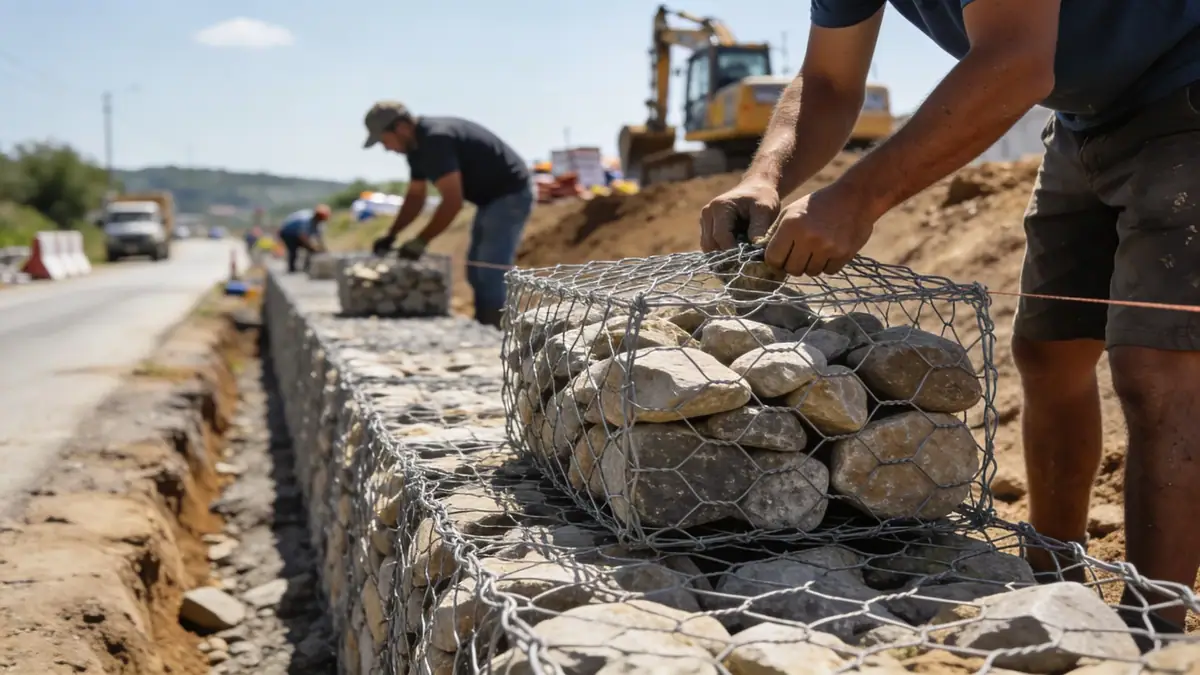
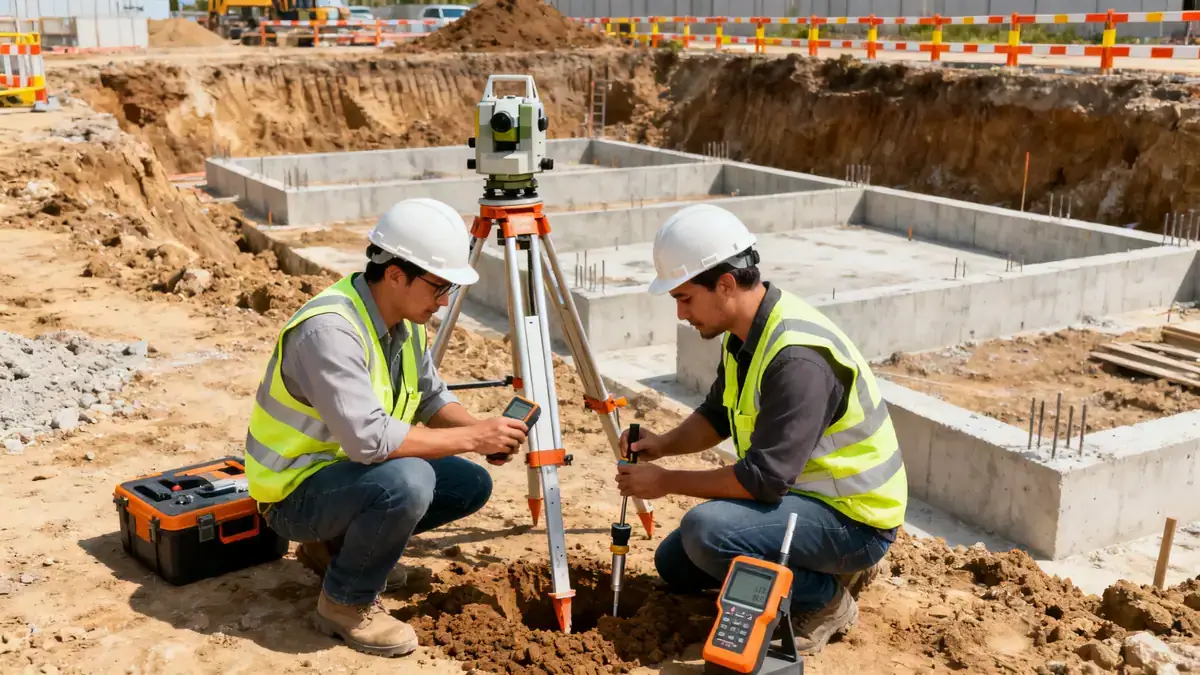
Our retaining wall design methodology follows a systematic process: (1) subsurface investigation using Standard Penetration Testing (SPT) per ASTM D1586 and soil sampling to depths of 20–40 ft; (2) laboratory testing for shear strength parameters, consolidation, and index properties via our Soil Mechanics Laboratory; (3) lateral earth pressure calculations considering active, passive, and at-rest conditions; (4) stability analysis against sliding, overturning, bearing capacity failure, and global slope stability using Limit Equilibrium and Finite Element methods; and (5) structural design of wall components. We reference ASCE 7 for seismic loads and IBC for general design. Our team has designed walls up to 30 ft in height, utilizing reinforced concrete, segmental block, and mechanically stabilized earth systems.
Reference Technical Parameters
| Parameter | Reference Value |
|---|---|
| Wall Height | 3–30 ft |
| Lateral Earth Pressure | 30–60 psf/ft |
| Factor of Safety (Sliding) | ≥1.5 |
| Factor of Safety (Overturning) | ≥2.0 |
| Seismic Acceleration (SDS) | 0.1–1.0g |
Local Considerations — USA
Retaining wall design must adapt to regional geotechnical variability. In Akron, glacially deposited clays and silts require careful drainage and lateral pressure evaluation. Albuquerque presents challenges with collapsible soils and high seismic risk, necessitating deep foundations and reinforced designs. Allentown features residual soils from sedimentary rock, demanding accurate strength parameters. Our team tailors each project to local conditions, using site-specific investigations and regional building codes. We also serve Anchorage, where permafrost and seismic activity require special considerations, and Arlington, with variable alluvial deposits.
Request a Quote
Our team reviews your project and issues an initial report at no cost.
Or write us directly at [email protected]
Applicable Standards
- ASTM D1586 – Standard Test Method for Standard Penetration Test
- ASCE 7 – Minimum Design Loads and Associated Criteria for Buildings and Other Structures
- IBC – International Building Code
- AASHTO – Standard Specifications for Highway Bridges
Frequently Asked Questions
What is the typical process for retaining wall design?
Our process begins with a subsurface investigation including SPT borings and soil sampling. Laboratory tests determine soil strength and compressibility. We then perform stability analyses for sliding, overturning, and bearing capacity, followed by structural design. We also consider drainage and seismic loads per applicable codes.
What soil parameters are most critical for retaining wall design?
Key parameters include soil unit weight, friction angle, cohesion, and at-rest earth pressure coefficient (K0). For cohesive soils, undrained shear strength is critical; for granular soils, relative density and drainage conditions govern. These are obtained from field and lab testing.
How long does a typical retaining wall design project take?
Project duration depends on complexity and site conditions. Typically, subsurface investigation and lab testing take 2–4 weeks, followed by 2–3 weeks for analysis and design. For standard walls up to 15 ft, total turnaround is about 4–6 weeks. Larger or seismic designs may require additional time.
How much does retaining wall design cost in the US?
Costs vary based on wall height, site accessibility, and number of borings. For a typical residential or commercial wall, our fees range from $1,050 to $4,200. This includes field investigation, lab testing, analysis, and a design report. We recommend contacting us for a project-specific quote.