
Methodology
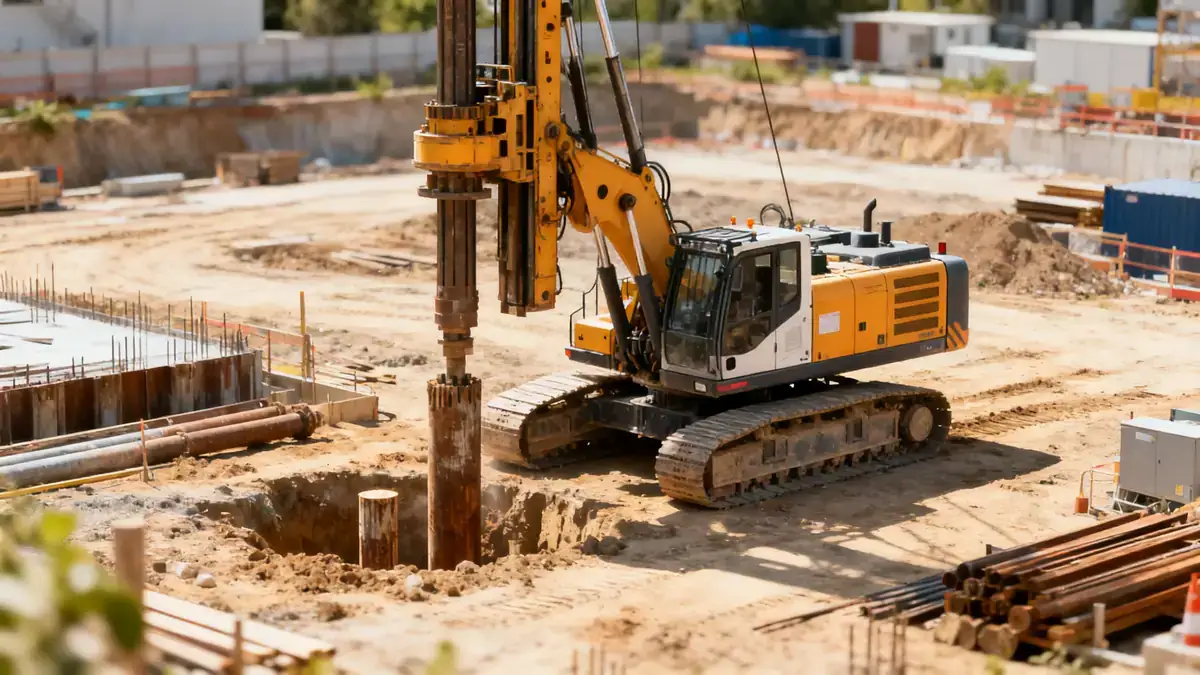
Our methodology for geotechnical engineering in Los Angeles begins with a detailed review of existing geological maps and seismic hazard data. We then conduct field investigations, including spt boring to obtain soil samples and measure resistance, and laboratory testing to classify soils and assess strength parameters. For seismic design, we evaluate site-specific response spectra in accordance with ASCE 7, considering the proximity to active faults such as the San Andreas and Puente Hills. Our analyses include liquefaction potential, slope stability, and settlement predictions. The results are integrated into a geotechnical report that provides recommendations for foundation type, depth, and seismic design parameters.
Reference Technical Parameters
| Parameter | Reference Value |
|---|---|
| Predominant soil type | Alluvial sands, silts, and clays with interbedded gravels |
| Maximum seismic acceleration (PGA) | 0.4g to 0.6g (Site Class D, MCE_R) |
| Typical groundwater level | 5 to 15 feet below ground surface (varies seasonally) |
| Bedrock depth | 100 to 300 feet in basin center; shallower near hills |
| Typical N60 range (SPT) | 10–30 in sands; 5–15 in clays |
Local Considerations — Los Angeles
Los Angeles sits on a deep sedimentary basin with complex faulting. Soil conditions vary significantly: Downtown and coastal areas have thick alluvial deposits with high liquefaction potential, while hillside regions like Santa Monica Mountains feature bedrock near surface and require slope stability analysis. Groundwater is typically shallow in low-lying areas, demanding dewatering or waterproofing. Seismic design is critical due to multiple active faults; our team applies ASCE 7 site-specific procedures. Typical projects include high-rises on mat foundations or piles, and hillside developments with retaining walls and soil nails.
Request a Quote
Our team reviews your project and issues an initial report at no cost.
Or write us directly at [email protected]
Services in Los Angeles
Locations covered in Los Angeles
Applicable Standards
- ASCE 7 (Minimum Design Loads for Buildings and Other Structures)
- California Building Code (CBC)
- ASTM D1586 (Standard Test Method for Standard Penetration Test)
- ASTM D2487 (Classification of Soils for Engineering Purposes)
- City of Los Angeles Department of Building and Safety Guidelines
Frequently Asked Questions
What are the typical soil conditions in Los Angeles?
Los Angeles soils are predominantly alluvial deposits of sands, silts, and clays, with gravel layers. Near the coast and downtown, water tables are high, and liquefaction is a concern. Hillside areas have bedrock close to the surface, requiring careful slope stability analysis.
Are geotechnical studies mandatory for construction in Los Angeles?
Yes, the City of Los Angeles requires a geotechnical investigation for most new buildings, additions, and hillside developments. The study must address seismic hazards, soil bearing capacity, and settlement, and be submitted as part of the building permit application.
How is seismic design addressed for Los Angeles projects?
Seismic design follows ASCE 7 and the California Building Code. Our team determines site-specific ground motion parameters, evaluates liquefaction and fault rupture hazards, and designs foundations to resist seismic loads. Near active faults, we perform fault hazard assessments.