Methodology
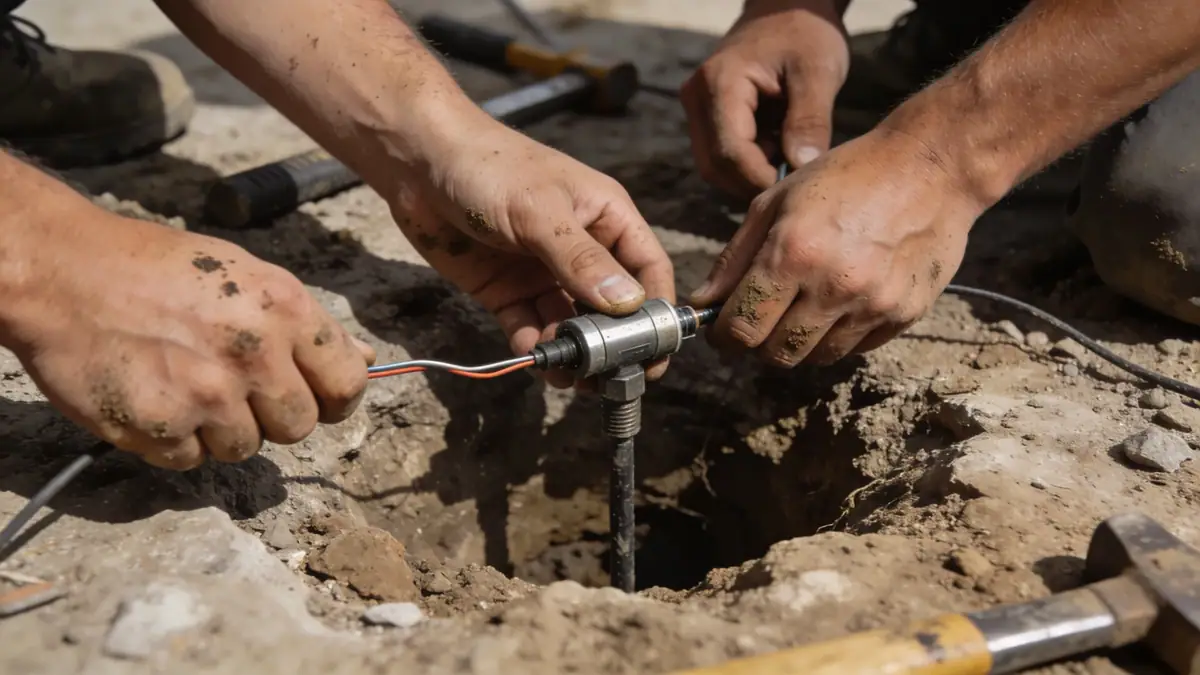
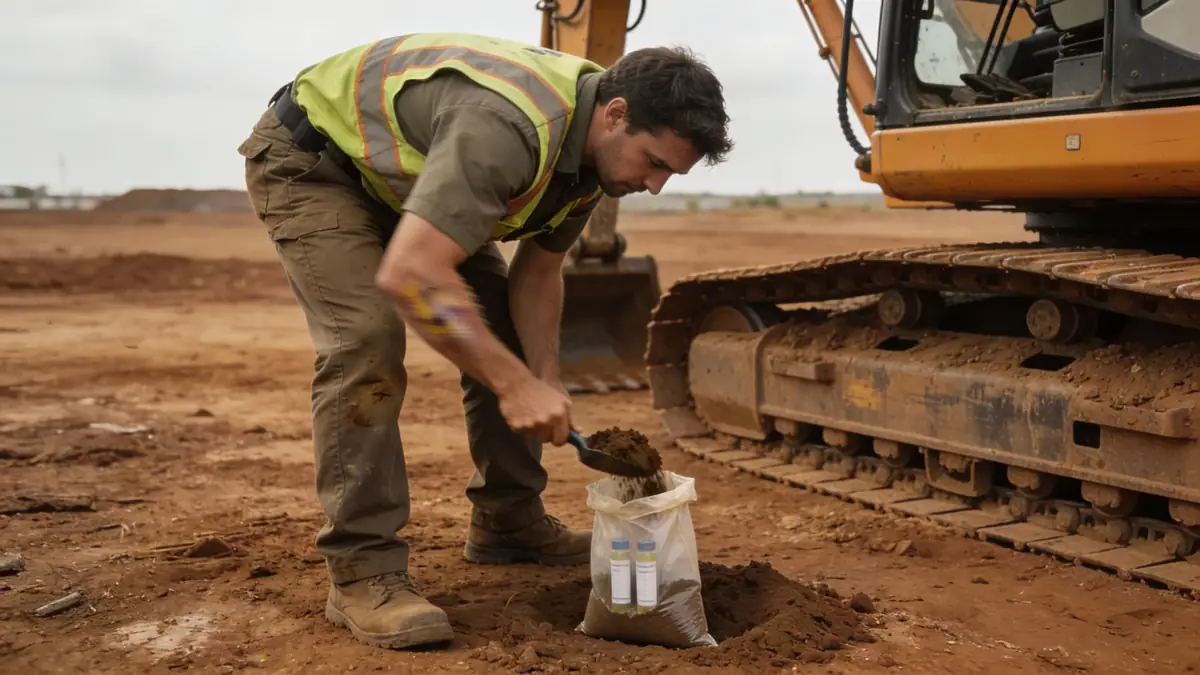
Our methodology for geotechnical engineering in Philadelphia integrates field investigation, laboratory testing, and analytical modeling. We perform spt boring to collect disturbed and undisturbed samples, with sampling intervals typically every 1.5 m per ASTM D1586. In the laboratory, our soil mechanics laboratory conducts index property tests, strength tests, and consolidation tests to characterize soil behavior. For slope stability and retaining wall design, we employ limit equilibrium and finite element methods. All work adheres to Philadelphia's building code and referenced standards, ensuring reliable results for foundation design.
Reference Technical Parameters
| Parameter | Reference Value |
|---|---|
| Predominant soil type | Silty sands, clayey sands (SM, SC) and residual schist |
| Maximum seismic acceleration (PGA) | 0.15–0.20 g (ASCE 7, Site Class C/D) |
| Typical groundwater level | 3–10 m below grade, varies with season and location |
| Bedrock depth | 0–15 m (shallow in Center City, deeper in alluvial plains) |
| Typical N60 range | 5–30 blows/ft (upper soils); >50 in weathered rock |
Local Considerations — Philadelphia
Philadelphia's geology is dominated by the Wissahickon Formation (schist and gneiss) in the northwest and coastal plain sediments (sands, silts, clays) in the southeast. The city lies in a low-to-moderate seismic zone (ASCE 7 Seismic Design Category B or C), requiring site-specific ground motion analysis for critical structures. Our team has extensive experience with the contrast between shallow bedrock in Center City and deep compressible soils near the Delaware River. Typical foundation challenges include bearing capacity in variable fill, groundwater control in excavations, and settlement mitigation on soft alluvial deposits. For retaining walls, we integrate retaining wall design with local soil parameters.
Request a Quote
Our team reviews your project and issues an initial report at no cost.
Or write us directly at [email protected]
Services in Philadelphia
Locations covered in Philadelphia
Applicable Standards
- ASTM D1586 (Standard Penetration Test)
- ASCE 7 (Minimum Design Loads for Buildings and Other Structures)
- Philadelphia Building Code (IBC 2021 with local amendments)
- ASTM D2487 (Unified Soil Classification System)
Frequently Asked Questions
What are the typical soil types encountered in Philadelphia?
Philadelphia soils vary from residual schist and gneiss in the northwest to alluvial sands, silts, and clays in the southeast. Urban fills are common in developed areas. Our geotechnical investigations classify soils per ASTM D2487 to guide foundation design.
Is seismic design required for buildings in Philadelphia?
Yes, Philadelphia is in a low-to-moderate seismic zone. Per ASCE 7, site-specific ground motion analysis may be required for certain structures. Our team evaluates seismic site class and peak ground acceleration to comply with the Philadelphia Building Code.
Are geotechnical studies mandatory for construction projects in Philadelphia?
While not always legally required for all projects, most building permits in Philadelphia require a geotechnical report to demonstrate safe foundation design. Our firm provides authoritative studies that satisfy local code officials and structural engineers.