Methodology
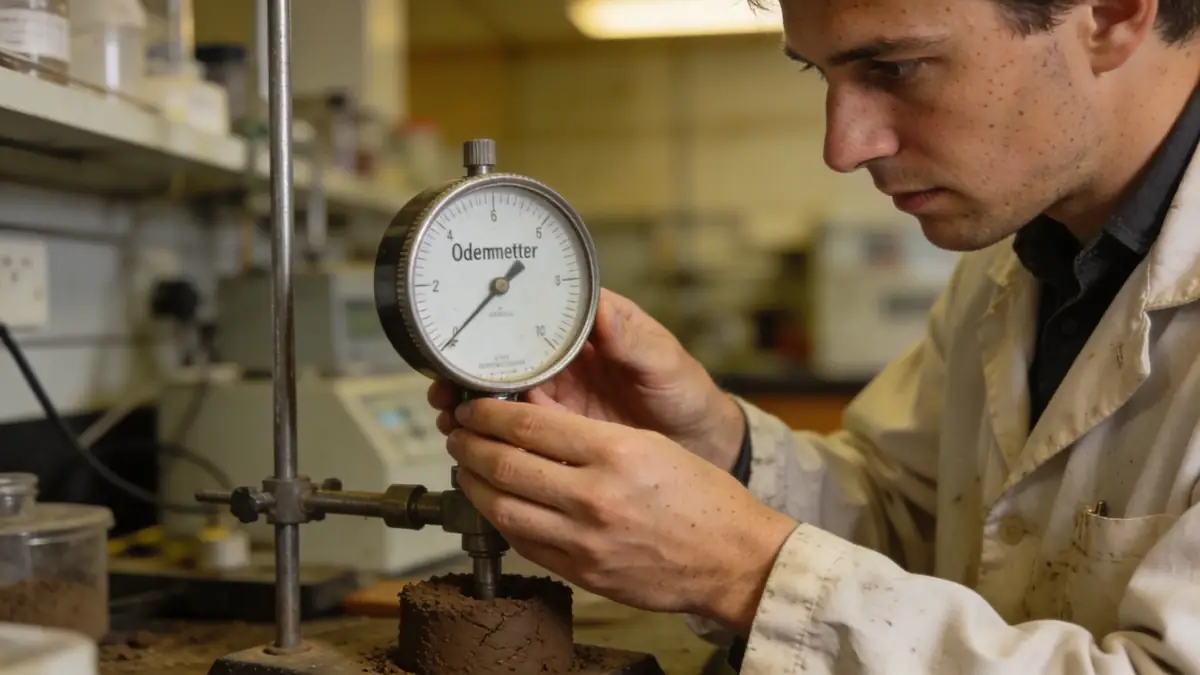
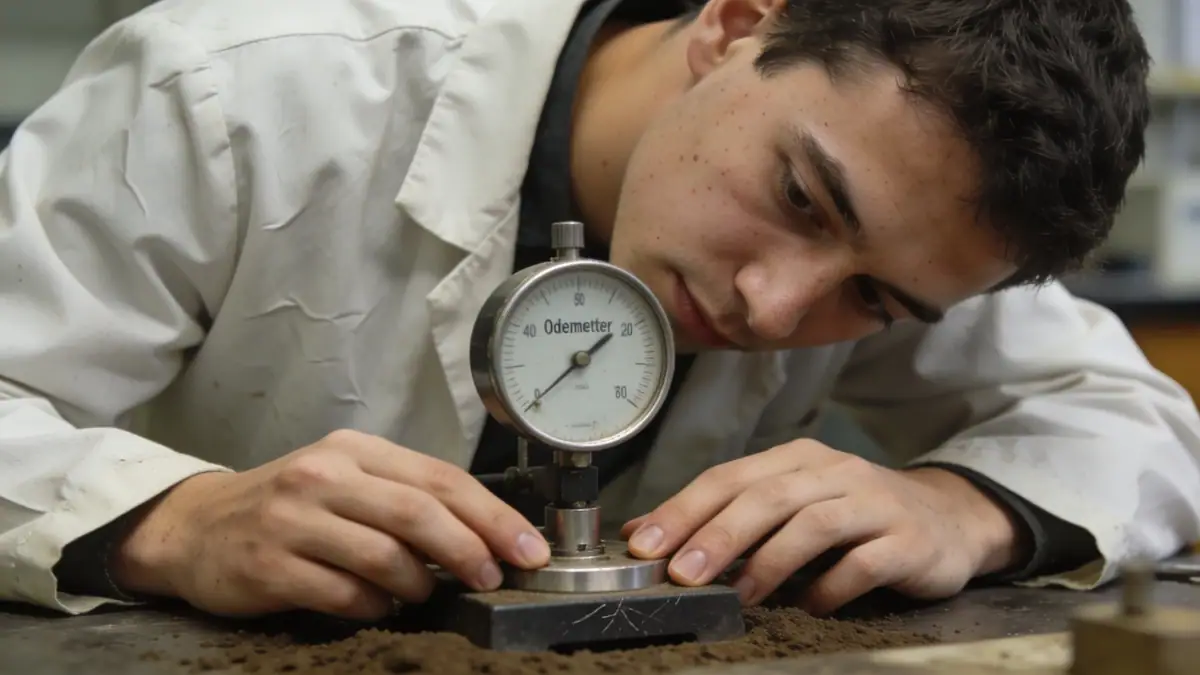
Our soil mechanics laboratory follows standardized procedures to determine physical and mechanical properties of soil samples. Testing begins with sample classification per ASTM D1586, including grain-size analysis, Atterberg limits, and natural moisture content. For strength characterization, we perform triaxial compression tests (CU and CD) at confining pressures up to 2,000 kPa, and direct shear tests under consolidated-drained conditions. Consolidation tests (oedometer) evaluate compressibility and preconsolidation pressure. All equipment is calibrated annually, and results are reviewed by senior engineers. We also integrate field data from SPT Boring to correlate laboratory results with in-situ conditions, ensuring reliable design parameters.
Reference Technical Parameters
| Parameter | Reference Value |
|---|---|
| Grain Size Distribution | Sieve and hydrometer analysis (0.075 mm to 75 mm) |
| Atterberg Limits | Liquid limit, plastic limit, plasticity index (ASTM D4318) |
| Triaxial Compression (CU) | Confining pressure 100–2,000 kPa; cohesion and friction angle |
| Consolidation (Oedometer) | Preconsolidation pressure, compression index (Cc), swelling index (Cs) |
| Direct Shear | Peak and residual shear strength under drained conditions |
Local Considerations — USA
The United States encompasses diverse geotechnical regimes: expansive clays in Texas (e.g., Austin, Dallas), loose sands in Florida (Miami, Tampa), and permafrost in Alaska (Anchorage, Juneau). Our laboratory adapts testing protocols to regional soil behavior—for instance, special swell-consolidation tests in Houston and frost susceptibility assessments in Fargo. In seismic zones like San Francisco and Los Angeles, cyclic triaxial testing evaluates liquefaction potential. We maintain mobile laboratories to serve remote sites such as Billings and Casper, ensuring timely results without compromising quality. Each project receives a site-specific testing plan, reflecting our commitment to local conditions.
Request a Quote
Our team reviews your project and issues an initial report at no cost.
Or write us directly at [email protected]
Applicable Standards
- ASTM D1586
- ASTM D4318
- ASTM D2435
- Eurocode 7
Frequently Asked Questions
What is the standard testing procedure for soil classification in your laboratory?
We follow ASTM D1586 for sample recovery and ASTM D4318 for Atterberg limits. Grain-size analysis combines sieve and hydrometer methods. Each sample is logged and tested within 48 hours of arrival.
How do you ensure quality control in triaxial testing?
All triaxial tests are performed on fully saturated specimens using automated load frames and pressure controllers. Back-pressure saturation is verified with Skempton’s B-value ≥0.95. Results are cross-checked with field data.
What is the typical turnaround time for a complete soil mechanics testing program?
Standard turnaround is 10–15 business days for a full suite including classification, strength, and consolidation tests. Rush orders can be completed in 5 days with prior coordination.
How much does soil mechanics laboratory testing cost in the USA?
Costs typically range from $3,150 to $5,250 per project, depending on depth, number of tests, and site accessibility. This includes classification, triaxial, and consolidation. Contact us for a tailored quote.