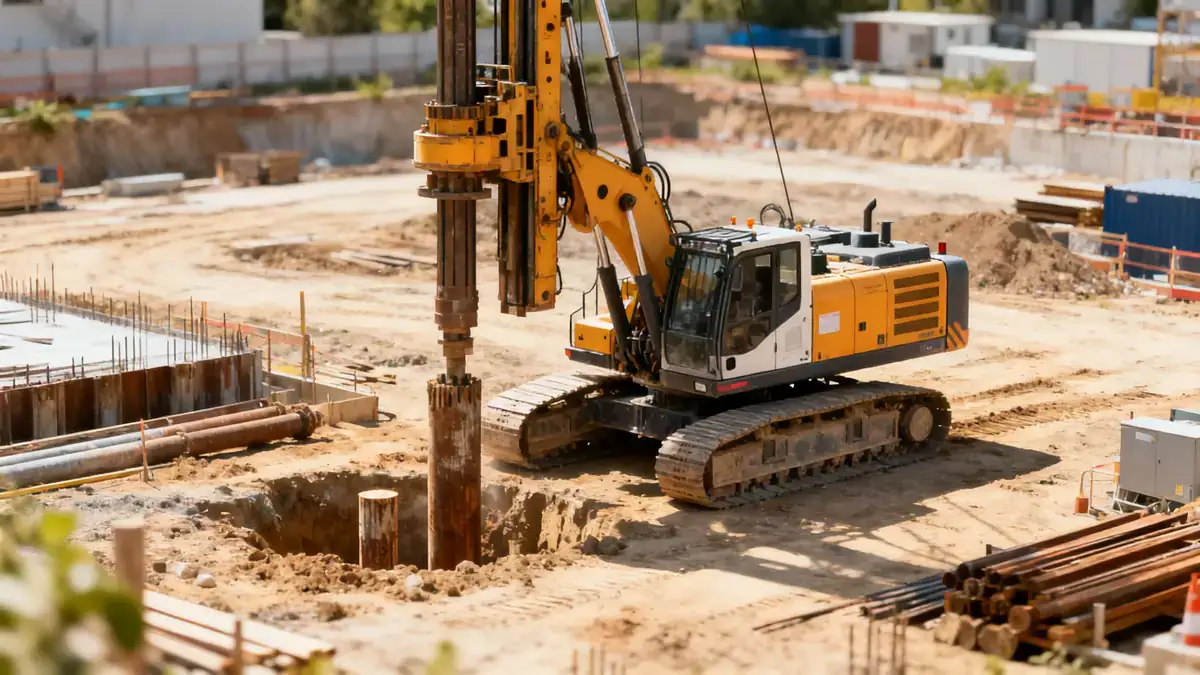
Methodology
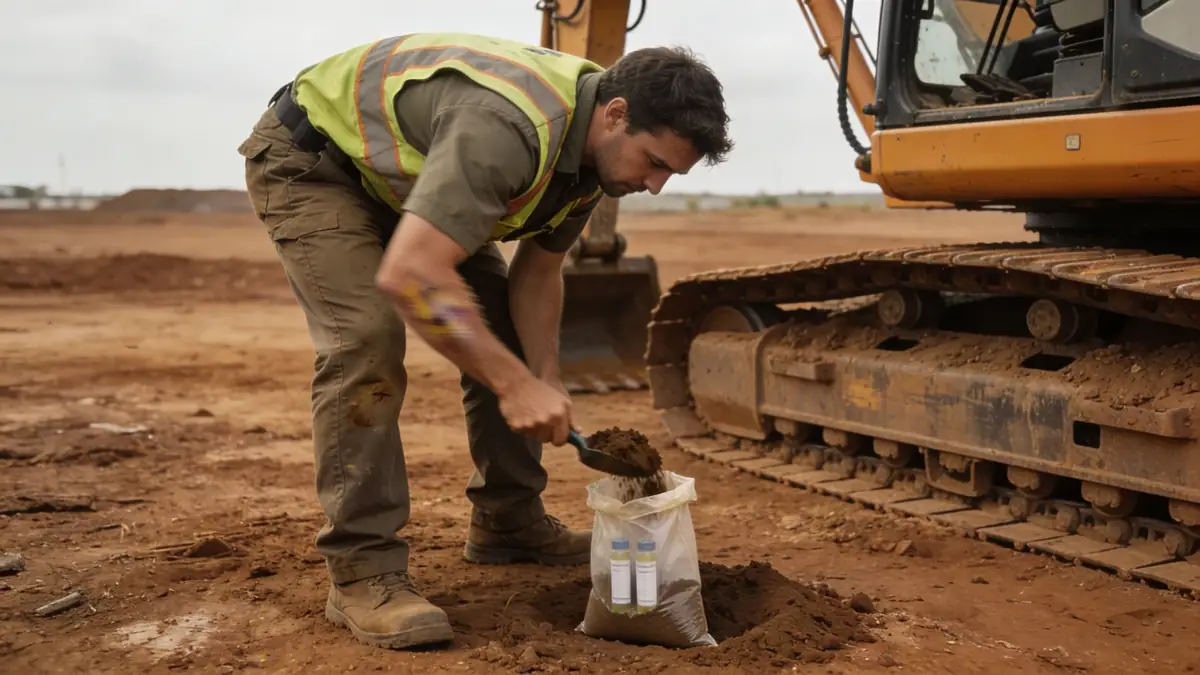
Our approach to geotechnical engineering in Chicago begins with a comprehensive review of existing geological maps and subsurface records to characterize the region's glacial till, lacustrine clays, and outwash sands. We then design a site-specific investigation program, typically integrating spt boring with continuous sampling to capture soil variability at depth. Laboratory testing on recovered samples follows ASTM standards to determine moisture content, Atterberg limits, and shear strength parameters. All data are synthesized into a geotechnical model that informs foundation design, slope stability, and earthwork recommendations specific to Chicago conditions.
Reference Technical Parameters
| Parameter | Reference Value |
|---|---|
| Predominant soil type | Glacial till (hardpan) and lacustrine clay (Blodgett/Deerfield) |
| Maximum seismic acceleration (PGA) | 0.10g to 0.15g (ASCE 7-16 Site Class C/D) |
| Typical groundwater level | 3–6 m below grade (varies seasonally) |
| Bedrock depth | 20–40 m (dolomite/limestone) |
| Typical N60 range | 10–50 blows/0.3 m (clays to dense till) |
Local Considerations — Chicago
Chicago's subsurface is dominated by glacial till and soft lacustrine clays, which can cause differential settlement if not properly characterized. The shallow groundwater table requires dewatering considerations for excavations. Seismic design follows ASCE 7 with Site Class C or D, reflecting moderate seismicity. Downtown high-rises often bear on caissons to bedrock, while suburban structures may use spread footings on engineered fill. Our geotechnical engineering in Chicago routinely addresses these contrasts, providing tailored solutions from lakefront to inland sites. For slope stability assessments, we integrate slope stability analysis to evaluate cut and fill slopes in the region's varved clays.
Request a Quote
Our team reviews your project and issues an initial report at no cost.
Or write us directly at [email protected]
Services in Chicago
Locations covered in Chicago
Applicable Standards
- ASTM D1586 (Standard Penetration Test)
- ASCE 7-16 (Minimum Design Loads and Associated Criteria for Buildings)
- Chicago Building Code (Title 13, Chapter 13-20)
- ASTM D2487 (Unified Soil Classification System)
Frequently Asked Questions
What are the typical soil types encountered in Chicago?
The Chicago area is underlain by glacial till (hardpan) and soft lacustrine clays, such as the Blodgett and Deerfield formations. These soils exhibit high variability in density and strength, requiring careful subsurface investigation for any geotechnical engineering project.
Is seismic design required for structures in Chicago?
Yes, the Chicago region is classified as Seismic Design Category B or C per ASCE 7, with peak ground accelerations of 0.10g to 0.15g. Site-specific response spectra may be required for critical facilities, and geotechnical reports must address liquefaction potential in loose saturated sands.
Are geotechnical studies mandatory for building permits in Chicago?
The Chicago Building Code requires a geotechnical investigation for most new structures and major renovations, especially those with deep foundations or significant earth retention. The report must be prepared by a licensed professional engineer and submitted with the permit application.