Methodology
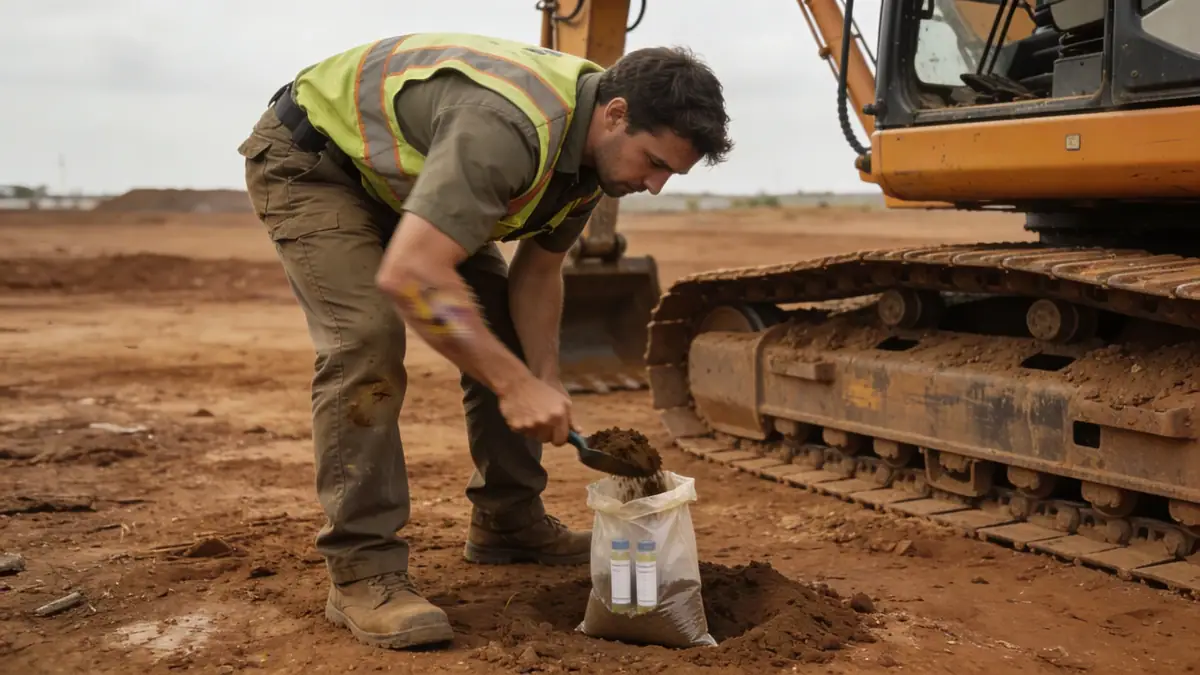
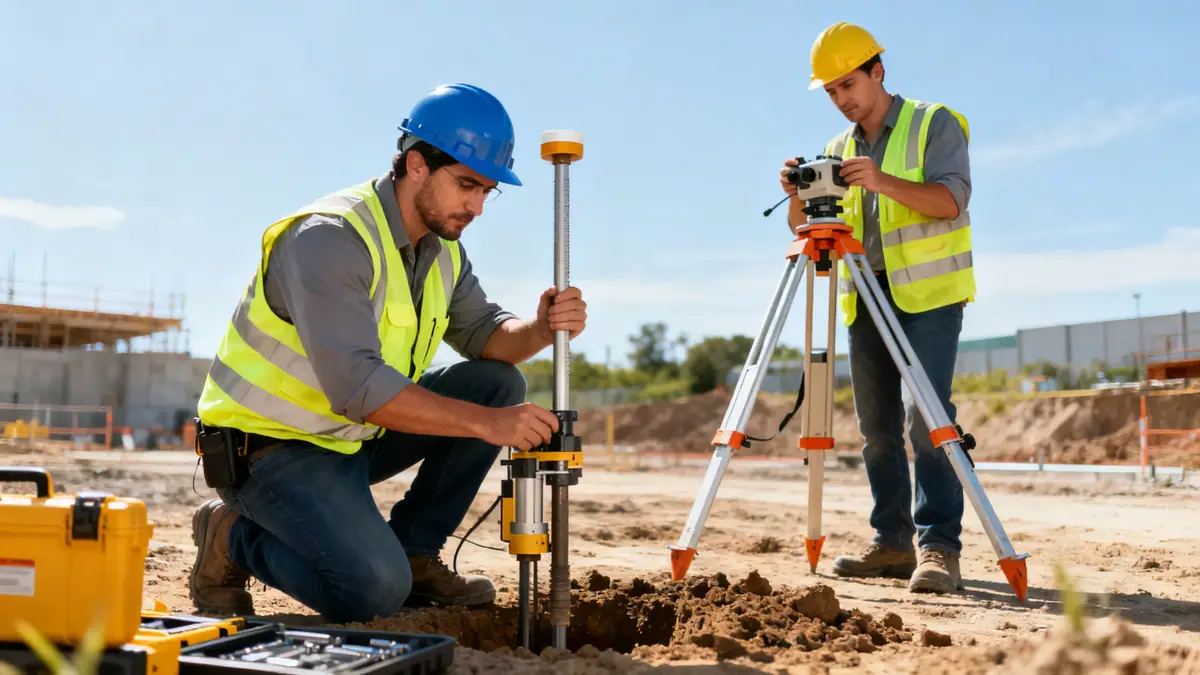
Our approach to geotechnical engineering in Miami begins with a comprehensive desktop study of existing geological maps and borehole records, followed by field exploration using spt boring in accordance with ASTM D1586. Sampling intervals are typically 1.0 to 1.5 meters, with depths ranging from 8 to 30 meters depending on the structure. We also conduct cone penetration tests (CPT) for continuous stratigraphic profiling and install standpipe piezometers to monitor the shallow groundwater table. Laboratory testing—including grain size analysis, Atterberg limits, and unconfined compression—is performed on representative samples to characterize the soil's engineering properties. All data is synthesized into a detailed geotechnical report that presents bearing capacity, settlement estimates, and foundation recommendations tailored to Miami's subsurface conditions.
Reference Technical Parameters
| Parameter | Reference Value |
|---|---|
| Predominant soil type | Sand, silty sand (SP, SM), with limestone (Miami Limestone) and organic soils in low-lying areas |
| Maximum seismic acceleration (PGA) | 0.15 g (ASCE 7-10, Site Class D) |
| Typical groundwater level | 1.0–3.0 m below ground surface; seasonal fluctuations of ±0.5 m |
| Bedrock depth | 3.0–15.0 m (Miami Limestone / Fort Thompson Formation) |
| Typical N60 range (SPT) | 5–30 blows/0.3 m (sand); 30–100+ in limestone (refusal) |
Local Considerations — Miami
Miami's geology is dominated by the Miami Limestone formation—a porous, oolitic limestone—overlain by sandy soils and occasional organic muck in the Everglades fringe. The shallow water table (1–3 m) requires dewatering considerations for excavations. Seismic hazard is moderate (PGA 0.15 g), but liquefaction potential in loose, saturated sands demands careful evaluation under ASCE 7. The contrast between coastal high-rises on limestone and inland low-rises on deeper sands necessitates site-specific soil mechanics laboratory testing. Typical issues include settlement of fill on soft organics and corrosion potential from brackish groundwater.
Request a Quote
Our team reviews your project and issues an initial report at no cost.
Or write us directly at [email protected]
Services in Miami
Locations covered in Miami
Applicable Standards
- ASTM D1586 (SPT)
- ASCE 7-10 (Seismic)
- IBC 2018 (Miami-Dade County amendments)
- ASTM D2487 (Unified Soil Classification)
- ASTM D4318 (Atterberg Limits)
Frequently Asked Questions
What are the typical soil conditions encountered in Miami for geotechnical investigations?
The subsurface profile generally consists of fine to medium sand underlain by the Miami Limestone, a porous limestone bedrock. In low-lying areas, organic soils and peat may be present. The water table is shallow, typically 1 to 3 meters below ground surface, requiring careful management during excavation.
Is seismic analysis required for geotechnical engineering in Miami?
Yes, Miami is in a moderate seismic zone per ASCE 7-10, with a mapped PGA of 0.15 g. Site-specific seismic hazard analysis and liquefaction evaluation are required for most structures, especially those under the IBC and Miami-Dade County amendments. Soil type (Site Class D typical) amplifies ground motion.
Are geotechnical studies mandatory for construction projects in Miami?
The Miami-Dade County Building Code mandates geotechnical investigations for most new construction and additions, particularly for buildings with more than two stories, those on fill, or in areas with known soft soils. The study must include soil borings, laboratory testing, and foundation recommendations stamped by a licensed geotechnical engineer.