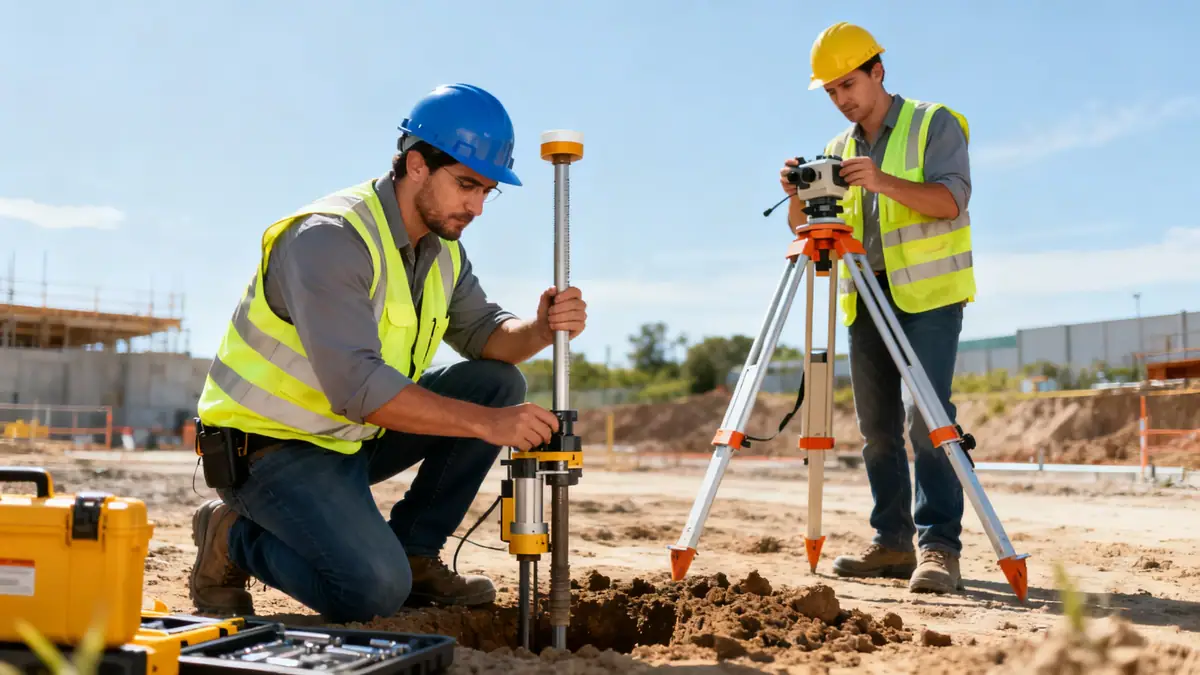
Methodology
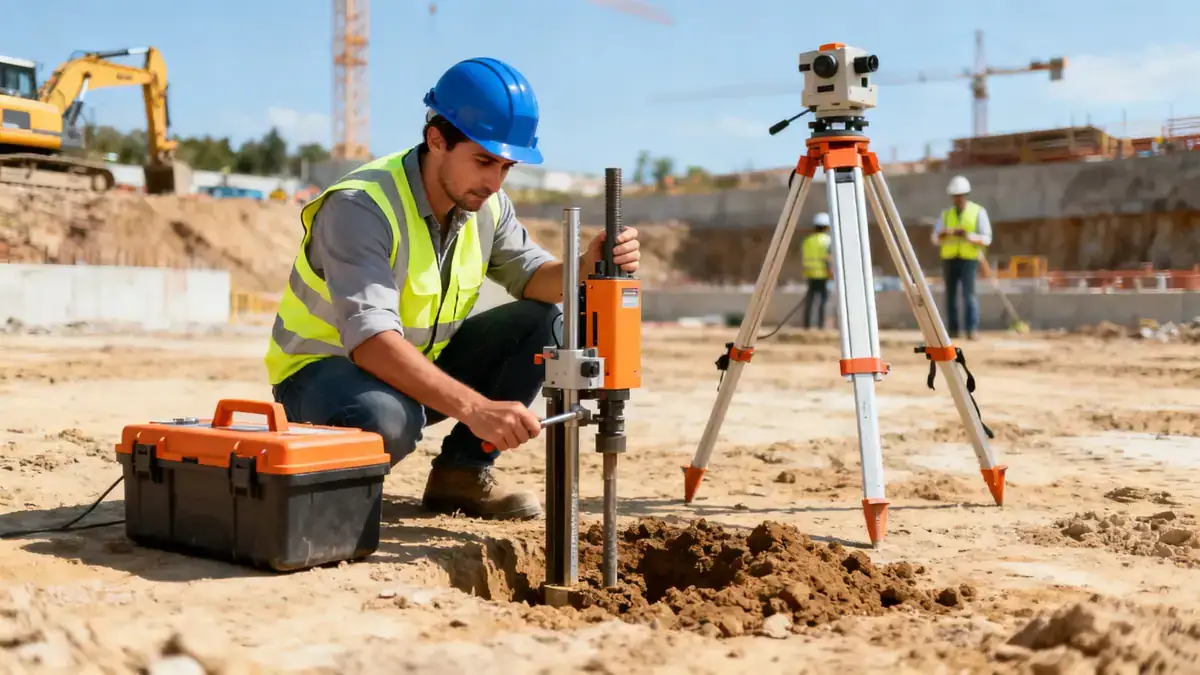
Our geotechnical engineering methodology in Seattle integrates thorough subsurface exploration, advanced laboratory testing, and site-specific analysis. We conduct spt boring following ASTM D1586 to characterize soil strata and measure N60 values. Field investigations are complemented by laboratory tests on undisturbed samples. Seismic hazard assessments follow ASCE 7 procedures, incorporating site class and liquefaction potential. Our approach ensures reliable foundation recommendations for projects across the city.
Reference Technical Parameters
| Parameter | Reference Value |
|---|---|
| Predominant soil type | Glacial till, alluvium, and artificial fill |
| Maximum seismic acceleration (PGA) | 0.3g to 0.5g (per USGS seismic hazard maps) |
| Typical groundwater level | 2 to 6 meters below surface |
| Bedrock depth | 10 to 50 meters (variable) |
Local Considerations — Seattle
Seattle's geology includes glacial till, alluvium, and fill over a deep bedrock profile. The water table is shallow in low-lying areas, requiring dewatering considerations. High seismic risk demands liquefaction and slope stability analyses, especially in hillier neighborhoods like Capitol Hill and Queen Anne. Our team integrates local building codes and ASCE 7-16 for site-specific seismic design. For detailed evaluation, we offer soil mechanics laboratory testing to characterize soil behavior.
Request a Quote
Our team reviews your project and issues an initial report at no cost.
Or write us directly at [email protected]
Services in Seattle
Locations covered in Seattle
Applicable Standards
- ASTM D1586
- ASCE 7
- International Building Code (IBC)
- Seattle Building Code
Frequently Asked Questions
What are typical soil conditions in Seattle?
Seattle soils vary from dense glacial till in upland areas to soft alluvial deposits and fill in lowlands. Groundwater is often shallow near the waterfront. These conditions require careful geotechnical investigation for foundation design.
Is seismic design mandatory in Seattle?
Yes. Seattle is in a high seismic zone (IBC Seismic Design Category D or E). ASCE 7 requires site-specific ground motion analysis, liquefaction assessment, and design for lateral spreading and settlement. All projects must comply with the Seattle Building Code.
When is a geotechnical report required?
Most building permits in Seattle require a geotechnical report. The Seattle Department of Construction and Inspections mandates subsurface exploration and recommendations for foundations, retaining walls, and slope stability, especially in landslide-prone areas.