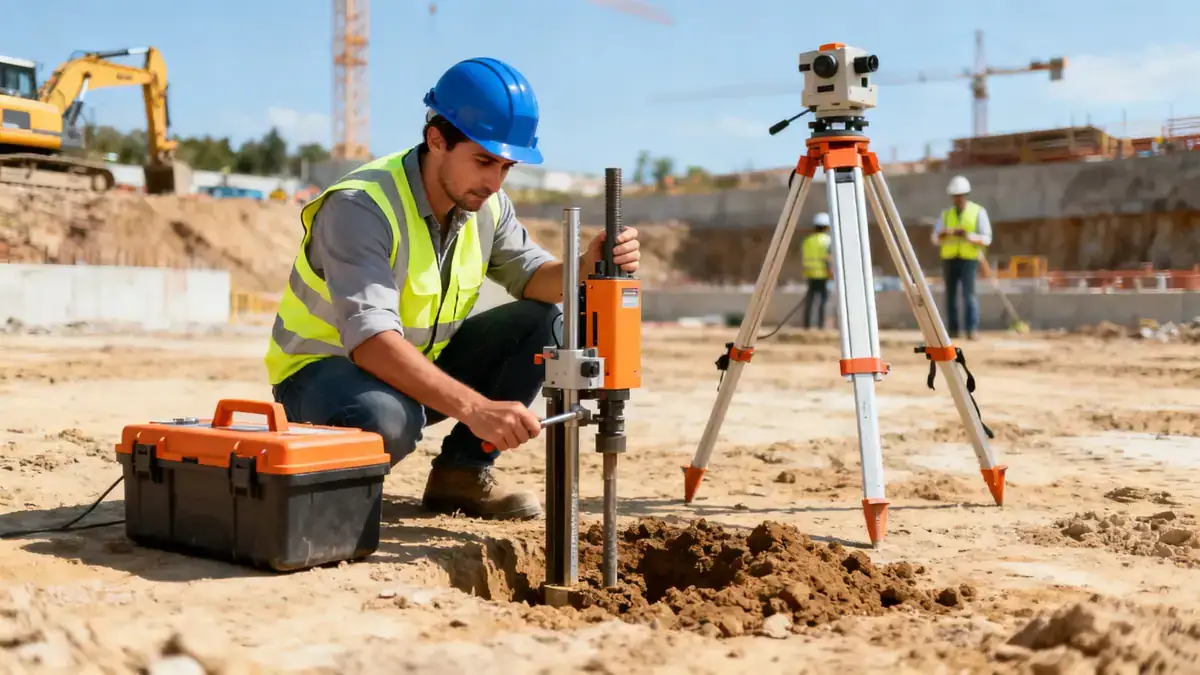
Methodology
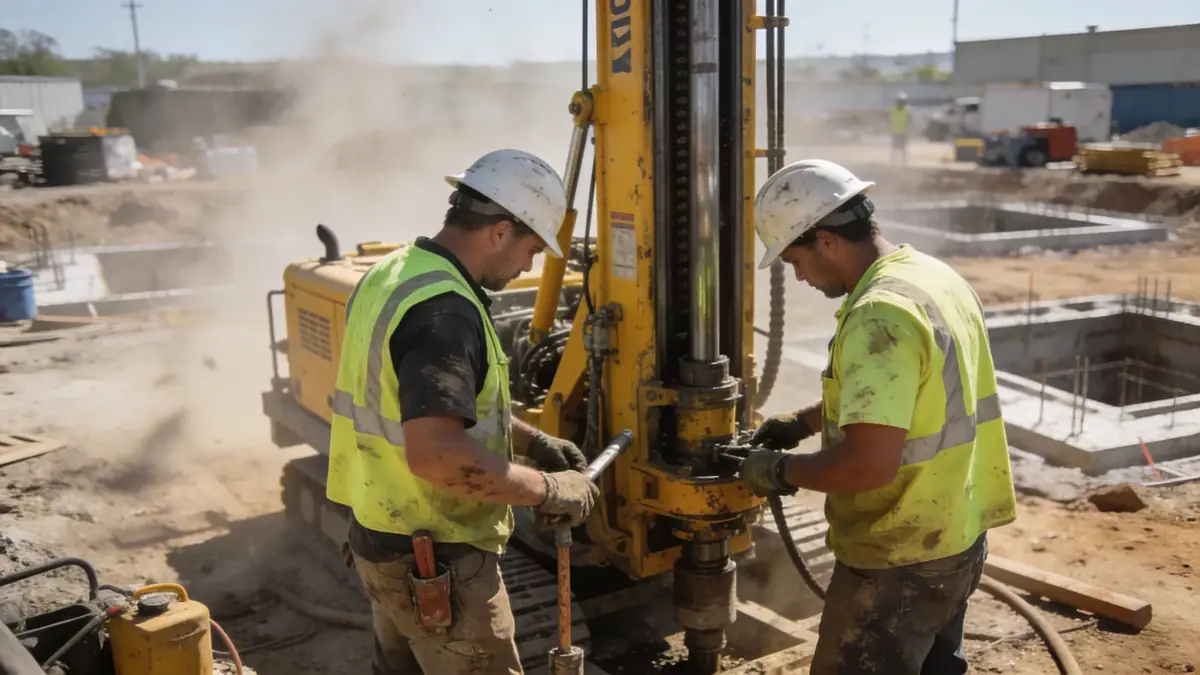
Our methodology for geotechnical engineering in Atlanta integrates standard penetration testing (SPT) per ASTM D1586, with sampling intervals typically every 1.5 m to a depth of 15 m for residential structures and up to 30 m for commercial projects. We also employ cone penetration testing (CPT) for continuous stratigraphic profiling in the region's variable saprolite. In our spt boring program, we measure N60 values that commonly range from 10 to 50 blows per foot in Piedmont soils. Laboratory testing includes moisture content, Atterberg limits, and unconfined compression strength, ensuring robust design parameters for foundations and earthworks.
Reference Technical Parameters
| Parameter | Reference Value |
|---|---|
| Predominant soil type | Sandy silt and clayey sand (residual) |
| Maximum seismic acceleration (PGA) | 0.25g (ASCE 7, Site Class C) |
| Typical groundwater level | 3–10 m below ground surface |
| Bedrock depth | Typically >15 m (saprolite zone) |
| Typical N60 range | 10–50 blows/ft |
Local Considerations — Atlanta
Atlanta's Piedmont geology presents unique challenges: residual soils with high plasticity indices (PI 20–40) and variable saprolite thickness. The water table fluctuates seasonally, often perched within clay layers. Seismic site classification per ASCE 7 typically falls into Site Class C or D, with PGA values up to 0.25g. In downtown areas, fill and previous construction complicate foundation conditions. Our team addresses these factors through targeted investigations, including soil mechanics laboratory testing to characterize shrink-swell potential and shear strength. For slopes along the Chattahoochee River corridor, we evaluate landslide susceptibility using limit equilibrium methods.
Request a Quote
Our team reviews your project and issues an initial report at no cost.
Or write us directly at [email protected]
Services in Atlanta
Locations covered in Atlanta
Applicable Standards
- ASTM D1586
- ASCE 7
- IBC 2021
- AASHTO M 145
- Georgia DOT Standard Specifications
Frequently Asked Questions
What soil types are commonly encountered in Atlanta?
Atlanta's soils are predominantly residual, derived from in-place weathering of metamorphic and igneous bedrock. Common types include sandy silts, clayey sands, and saprolite. These materials often exhibit variable strength and high plasticity, requiring careful geotechnical characterization for foundation design.
What seismic design considerations apply in Atlanta?
Per ASCE 7, Atlanta is in a moderate seismic zone with a maximum considered earthquake spectral acceleration Ss of about 0.25g. Site class (typically C or D) and soil amplification effects are critical. Our firm evaluates liquefaction potential and recommends appropriate foundation systems to comply with IBC 2021 seismic provisions.
Are geotechnical investigations mandatory for construction in Atlanta?
While not universally mandated for all projects, most municipalities in the Atlanta metropolitan area require geotechnical reports for commercial buildings, subdivisions, and infrastructure. The Georgia State Amendments to the IBC also specify conditions for soil investigation. Our team assists in meeting these regulatory requirements.