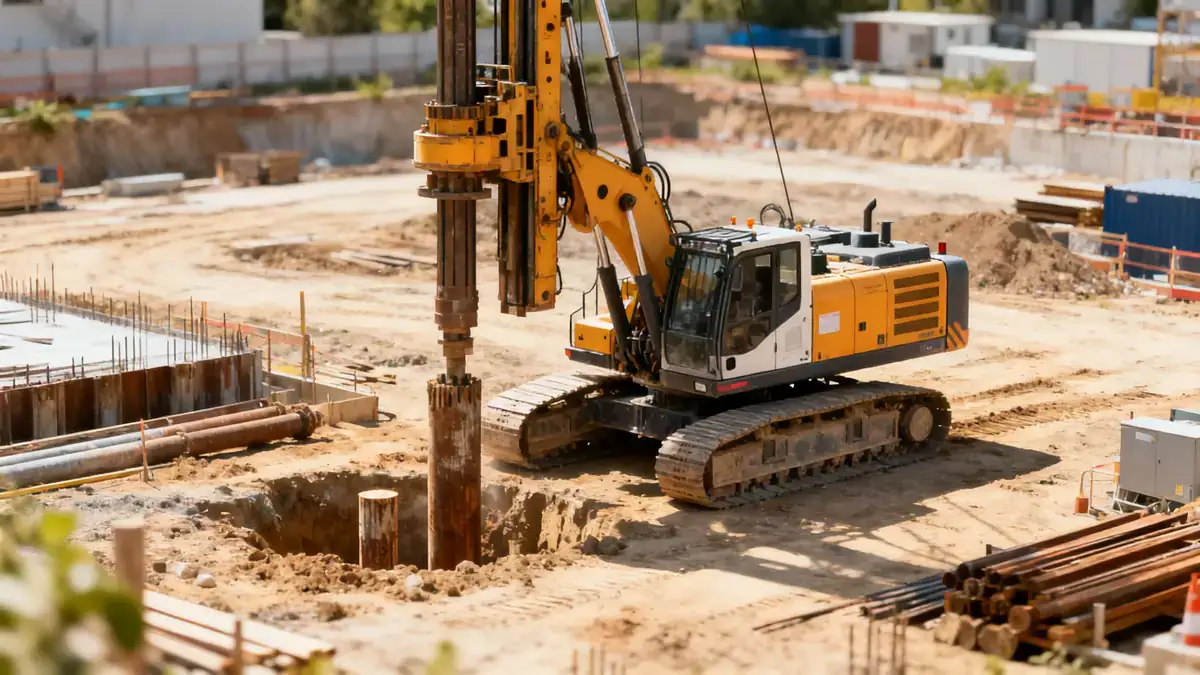
Methodology
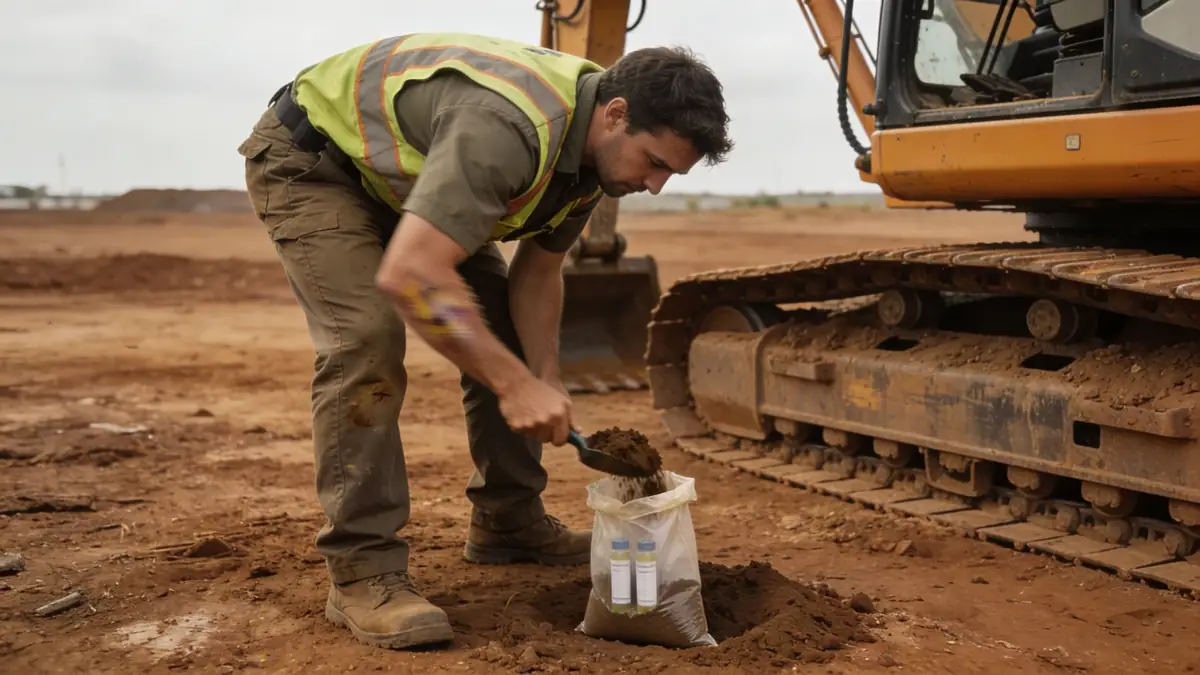
Our methodology for geotechnical engineering in New York begins with a thorough review of existing geologic maps and previous site data. We perform field investigations such as spt boring to retrieve soil samples and conduct in-situ tests. These are complemented by our soil mechanics laboratory services, where we classify soils, measure strength parameters, and assess consolidation behavior. All work follows ASTM and NYC Building Code protocols, ensuring data reliability for foundation and earthwork design.
Reference Technical Parameters
| Parameter | Reference Value |
|---|---|
| Predominant soil type | Glacial till, sand, and clay |
| Maximum seismic acceleration (PGA) | 0.2–0.3 g (ASCE 7) |
| Typical groundwater level | 3–10 m below surface |
| Bedrock depth | 0–30 m (variable) |
| Typical N60 range | 10–50 blows/0.3 m |
Local Considerations — New York
New York's subsurface is dominated by glacial till, outwash sands, and occasional organic deposits. The water table is shallow in coastal areas, requiring dewatering for deep excavations. Seismic site class ranges from B (rock) to D (stiff soil) per ASCE 7, with peak ground accelerations up to 0.3g. Neighborhood contrast is stark: Midtown Manhattan often has bedrock near surface, while Queens and Brooklyn feature deeper soils. Typical projects include high-rise foundations in retaining wall design contexts and brownfield redevelopments. Local regulations mandate site-specific geotechnical reports for most structures.
Request a Quote
Our team reviews your project and issues an initial report at no cost.
Or write us directly at [email protected]
Services in New York
Locations covered in New York
Applicable Standards
- ASTM D1586
- ASCE 7
- NYC Building Code Chapter 18
Frequently Asked Questions
What are the typical soil conditions in New York?
New York soils vary widely: glacial till and dense sands are common in Manhattan, while softer clays and organics appear in coastal areas. Bedrock depth ranges from surface in Midtown to over 30 m in outer boroughs, influencing foundation design.
Is seismic design required for structures in New York?
Yes, per ASCE 7, New York is in a moderate seismic zone. Peak ground accelerations can reach 0.3g, and seismic site classification (A–F) is required for most buildings. Our team evaluates site-specific response spectra for compliance.
Are geotechnical studies mandatory for construction in New York?
Generally yes. The NYC Building Code requires a geotechnical report for new buildings and major alterations. The report must include boring logs, soil parameters, and foundation recommendations, signed by a licensed professional engineer.