Methodology
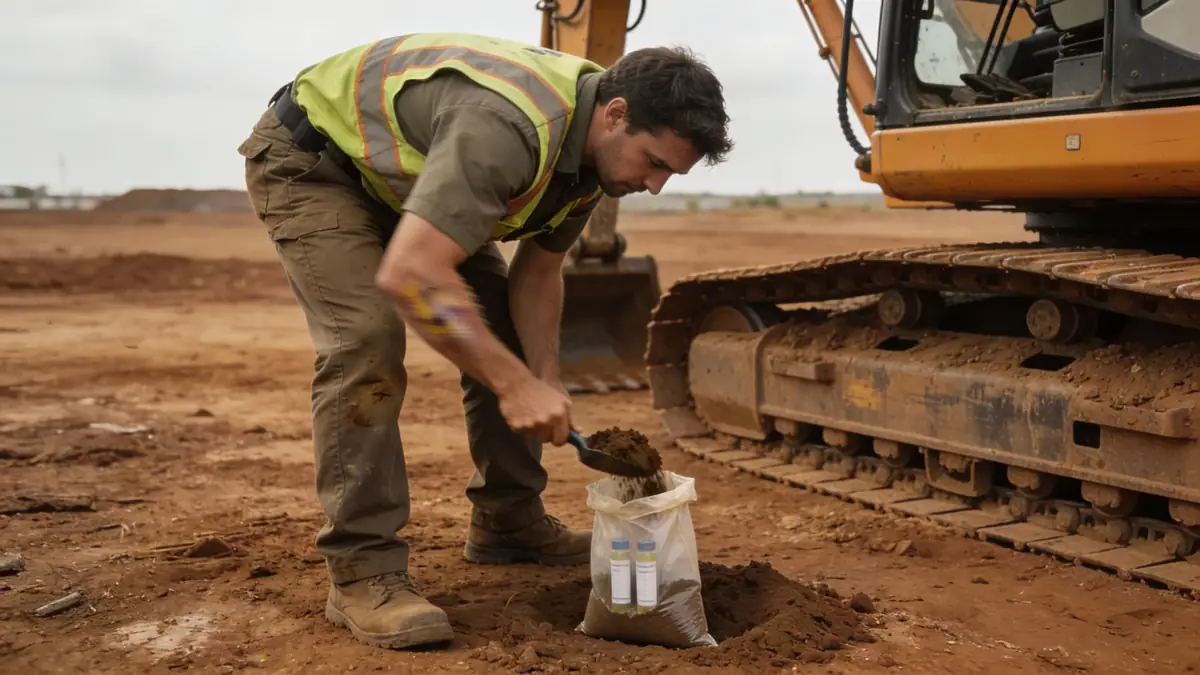
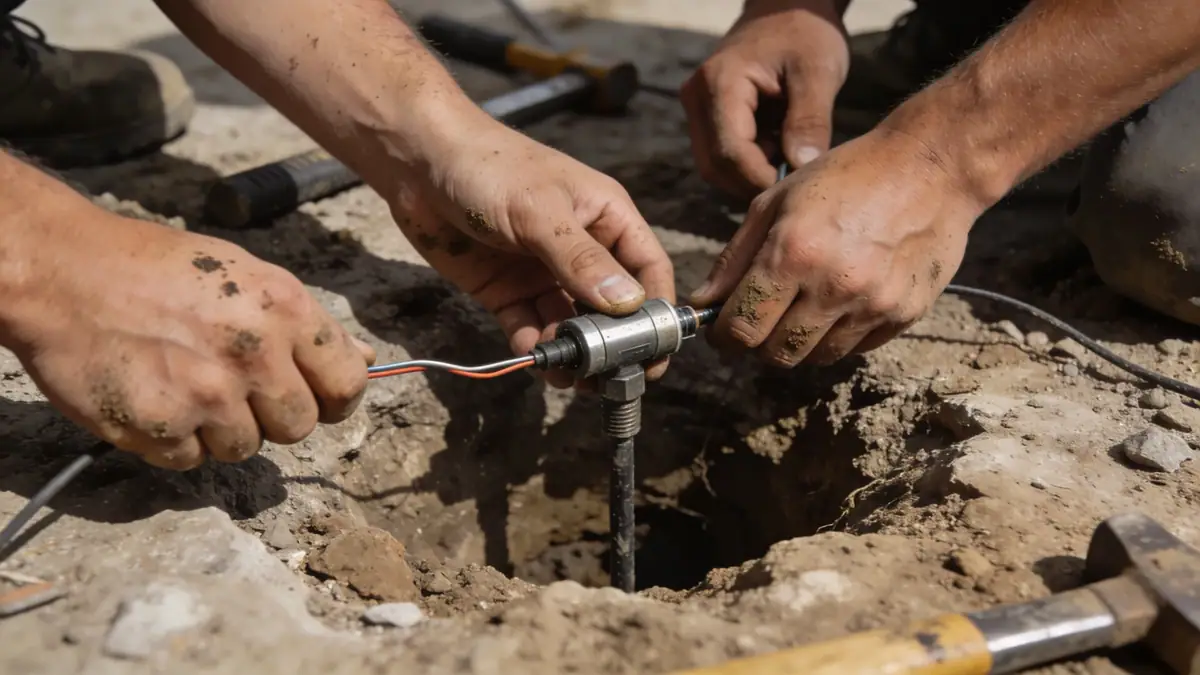
Our geotechnical engineering methodology in Denver begins with a comprehensive review of geologic maps and previous investigations, followed by field exploration including SPT boring at 1.0–1.5 m intervals to depths of 15–30 m depending on structural loads. We collect undisturbed and disturbed soil samples for laboratory testing of index properties, strength, and consolidation. Groundwater levels are monitored with standpipes or vibrating-wire piezometers. For seismic evaluations, we perform shear-wave velocity measurements and evaluate liquefaction potential per ASCE 7. All work adheres to ASTM standards, and our reporting includes a geotechnical baseline for design and construction.
Reference Technical Parameters
| Parameter | Reference Value |
|---|---|
| Predominant soil type | Clayey sands (SC) and silty sands (SM) with gravel layers |
| Maximum seismic acceleration (PGA) | 0.20–0.30 g (ASCE 7, Site Class C/D) |
| Typical groundwater level | 3–15 m below ground surface, variable with season |
| Bedrock depth | 10–50 m (Denver Formation sandstone and claystone) |
| Typical N60 range | 5–30 blows/ft (in sands); 15–50 blows/ft (in dense gravels) |
Local Considerations — Denver
Denver’s geology is dominated by alluvial deposits from the South Platte River and colluvial sediments from the Rocky Mountain Front. These materials are often loose and prone to settlement under load. Groundwater depths vary dramatically: shallow in river valleys (3–6 m) and deep in higher terrains (15–20 m). Seismic hazards are moderate, with PGA values up to 0.30 g, requiring careful evaluation of liquefaction in saturated sands. Older infill soils near downtown pose risks of differential settlement. For slope stability assessments, we reference slope stability analyses to mitigate landslides in the western foothills. Each project receives a site-specific investigation tailored to these local conditions.
Request a Quote
Our team reviews your project and issues an initial report at no cost.
Or write us directly at [email protected]
Services in Denver
Locations covered in Denver
Applicable Standards
- ASTM D1586 (Standard Test Method for Penetration Test and Split-Barrel Sampling of Soils)
- ASCE 7 (Minimum Design Loads and Associated Criteria for Buildings and Other Structures)
- International Building Code (IBC) 2021 with Denver Amendments
- ASTM D2487 (Standard Practice for Classification of Soils for Engineering Purposes)
Frequently Asked Questions
What soil types are common in Denver for construction?
Denver’s soils are predominantly clayey sands, silty sands, and gravels deposited by ancient streams. These materials often contain cobbles and require careful compaction. In the downtown corridor, fill soils from historic development may be present, necessitating deeper foundations or ground improvement.
Does Denver have strict seismic design requirements?
Yes. Denver is in Seismic Design Category B to C per IBC, with peak ground accelerations up to 0.30 g. Engineers must evaluate liquefaction potential in saturated sands and design for lateral spreading. The Colorado State Building Code references ASCE 7 for seismic loads.
Are geotechnical studies mandatory for building permits in Denver?
For most commercial and multi-family projects, a geotechnical report is required by the Denver Building Division. The report must address foundation design, soil bearing capacity, groundwater, and seismic hazards. Single-family homes may be exempt but are still recommended.