Methodology
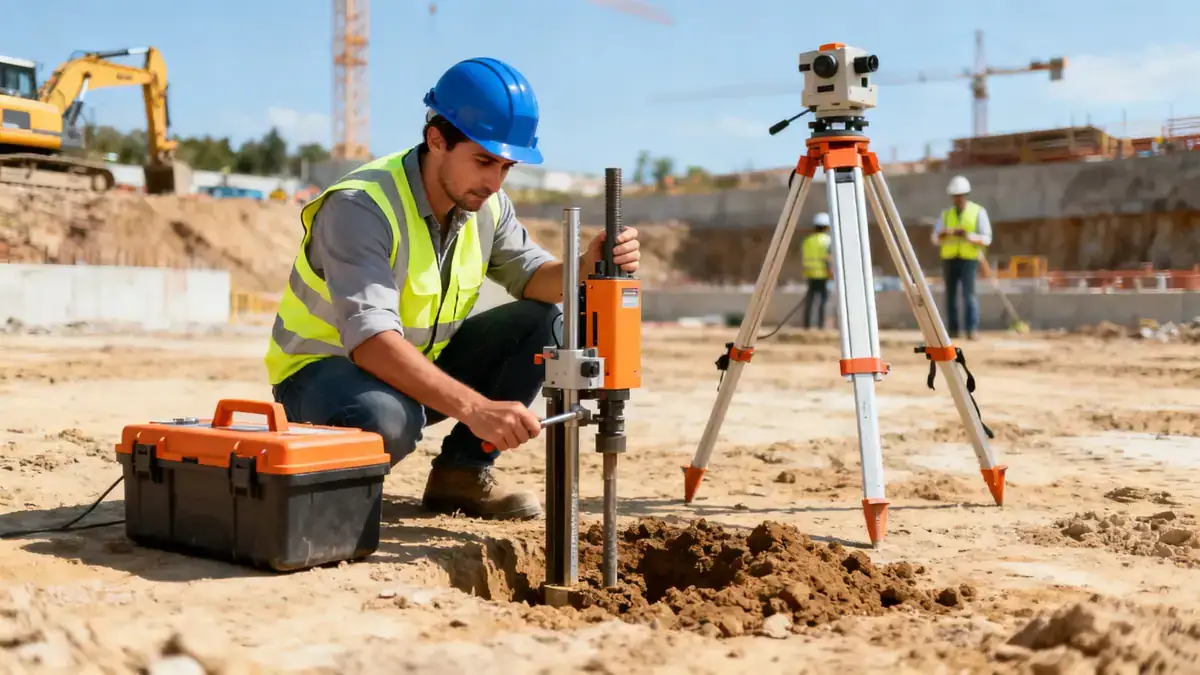
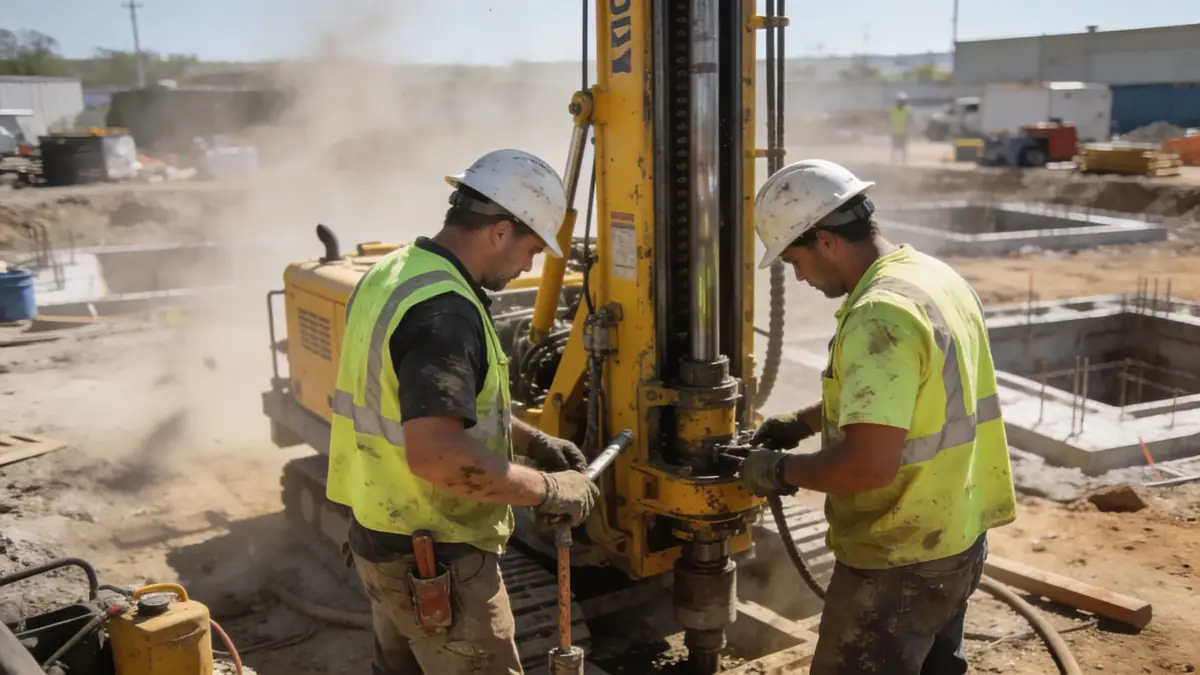
Our approach to geotechnical engineering in Phoenix begins with a comprehensive site investigation, including spt boring to characterize soil layers and groundwater. We employ standard penetration testing per ASTM D1586 at 1.5-meter intervals to obtain N-values and undisturbed samples. Laboratory testing complements field data, providing parameters for settlement and bearing capacity analyses. Each investigation is tailored to the site-specific conditions of Phoenix, ensuring that our recommendations are both conservative and cost-effective.
Reference Technical Parameters
| Parameter | Reference Value |
|---|---|
| Predominant soil type | Alluvial sands, silts, and clays |
| Maximum seismic acceleration (PGA) | 0.20g to 0.25g per ASCE 7-22 |
| Typical groundwater level | 10 to 30 meters depth |
| Bedrock depth | Variable, often >30 meters |
| Typical N60 range | 5 to 30 blows per foot |
Local Considerations — Phoenix
Phoenix lies within the Basin and Range province, characterized by deep alluvial deposits from the surrounding mountains. These soils are typically loose to medium dense sands and silts, with interbedded clays. Groundwater is generally deep, but localized perched conditions may occur near canals. Seismic hazard is moderate, with a PGA of 0.20g to 0.25g per ASCE 7-22. Older neighborhoods may have undocumented fill, while newer developments often encounter caliche layers. Typical projects require soil mechanics laboratory testing to assess collapsible soil potential. The arid climate also necessitates consideration of expansive clays in certain areas.
Request a Quote
Our team reviews your project and issues an initial report at no cost.
Or write us directly at [email protected]
Services in Phoenix
Locations covered in Phoenix
Applicable Standards
- ASTM D1586
- ASCE 7-22
- International Building Code (IBC) 2021
- City of Phoenix Soil and Geologic Hazards Ordinance
Frequently Asked Questions
What types of soil are commonly found in Phoenix?
Phoenix soils are predominantly alluvial sands, silts, and clays deposited by ancient rivers. These layers vary in density and moisture content, often requiring site-specific testing to determine bearing capacity and settlement characteristics.
What seismic design considerations apply in Phoenix?
Phoenix is in Seismic Design Category C per ASCE 7-22, with a peak ground acceleration (PGA) of 0.20g to 0.25g. This requires structures to be designed for moderate earthquake forces, with soil amplification effects considered based on site class.
Are geotechnical studies mandatory for all construction in Phoenix?
Yes, the City of Phoenix requires a geotechnical report for most new construction, especially for buildings with two or more stories, or where expansive soils, fill, or high groundwater are suspected. The report must comply with the city's Soil and Geologic Hazards Ordinance.