Methodology
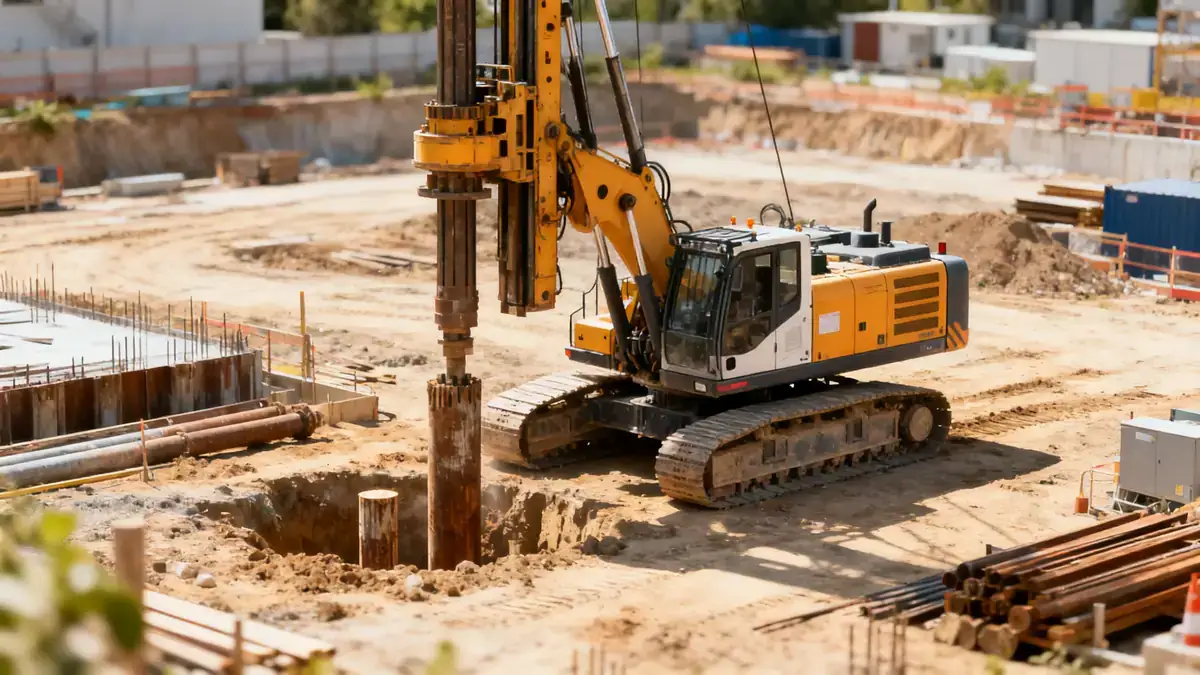
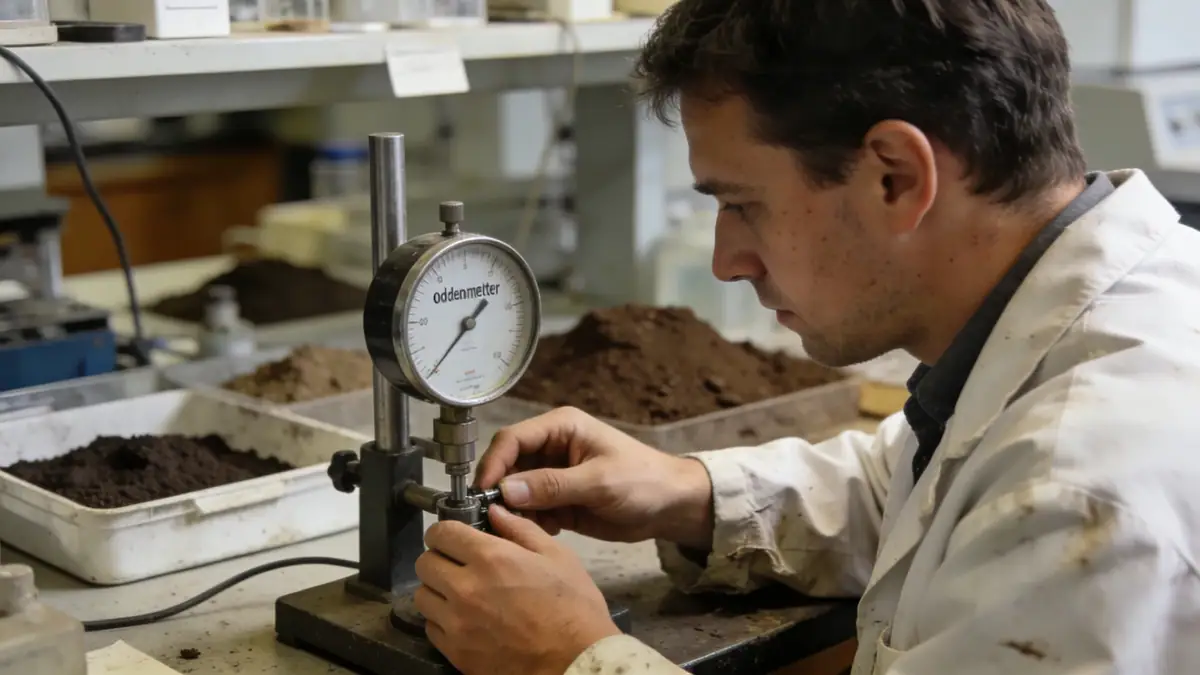
Our approach to geotechnical engineering in Albuquerque integrates comprehensive site investigation with advanced analytical techniques. We begin with a thorough review of existing geological maps and historical data, followed by field exploration programs tailored to each site's specific needs. This typically includes a combination of test pits and spt boring to characterize subsurface conditions, including soil type, density, and groundwater levels. Laboratory testing on recovered samples provides key parameters for foundation design, such as shear strength and consolidation characteristics. Our methodology adheres to ASTM standards and local building codes, ensuring reliable results for projects across the city.
Reference Technical Parameters
| Parameter | Reference Value |
|---|---|
| Predominant soil type | Alluvial sands, silts, and gravels with clay lenses |
| Maximum seismic acceleration (PGA) | 0.33g (ASCE 7-16, Site Class D) |
| Typical groundwater level | 10 to 30 feet below ground surface |
| Bedrock depth | Variable; 50 to 100 feet in valleys, shallower in foothills |
| Typical N60 range (SPT) | 5 to 30 blows per foot (ASTM D1586) |
Local Considerations — Albuquerque
Albuquerque's geology is heavily influenced by the Rio Grande Rift, resulting in deep alluvial deposits over bedrock. The Sandia Fault poses a seismic hazard, requiring site-specific evaluations per ASCE 7. Groundwater depths vary, with shallow water tables near the river impacting excavations. Expansive clays are common in some areas, necessitating special foundation treatments. Our team has addressed these conditions across diverse neighborhoods, from downtown high-rises to suburban developments. For broader regional context, see our geotechnical engineering en Denver page, which outlines similar challenges in the Rocky Mountain region.
Request a Quote
Our team reviews your project and issues an initial report at no cost.
Or write us directly at [email protected]
Services in Albuquerque
Applicable Standards
- ASCE 7-16 (Minimum Design Loads for Buildings and Other Structures)
- International Building Code (IBC) 2021
- ASTM D1586 (Standard Test Method for Standard Penetration Test)
- ASTM D2487 (Classification of Soils for Engineering Purposes)
- City of Albuquerque Geotechnical Report Guidelines
Frequently Asked Questions
What types of soil are commonly found in Albuquerque?
Albuquerque's soils are predominantly alluvial sands, silts, and gravels deposited by the Rio Grande. Clay lenses and expansive soils occur in some areas, particularly near the river. The East Mountains have more rocky, shallow soils over bedrock.
Is seismic analysis required for building projects in Albuquerque?
Yes, Albuquerque is in a moderate-to-high seismic zone due to the Sandia Fault. ASCE 7 requires site-specific seismic analysis for most structures, including determination of spectral acceleration values and soil site class.
Are geotechnical studies mandatory for construction in Albuquerque?
While not always legally required for single-family homes, the City of Albuquerque strongly recommends geotechnical studies for any development. For commercial and multi-story projects, a geotechnical report is typically required by the building department.