Methodology
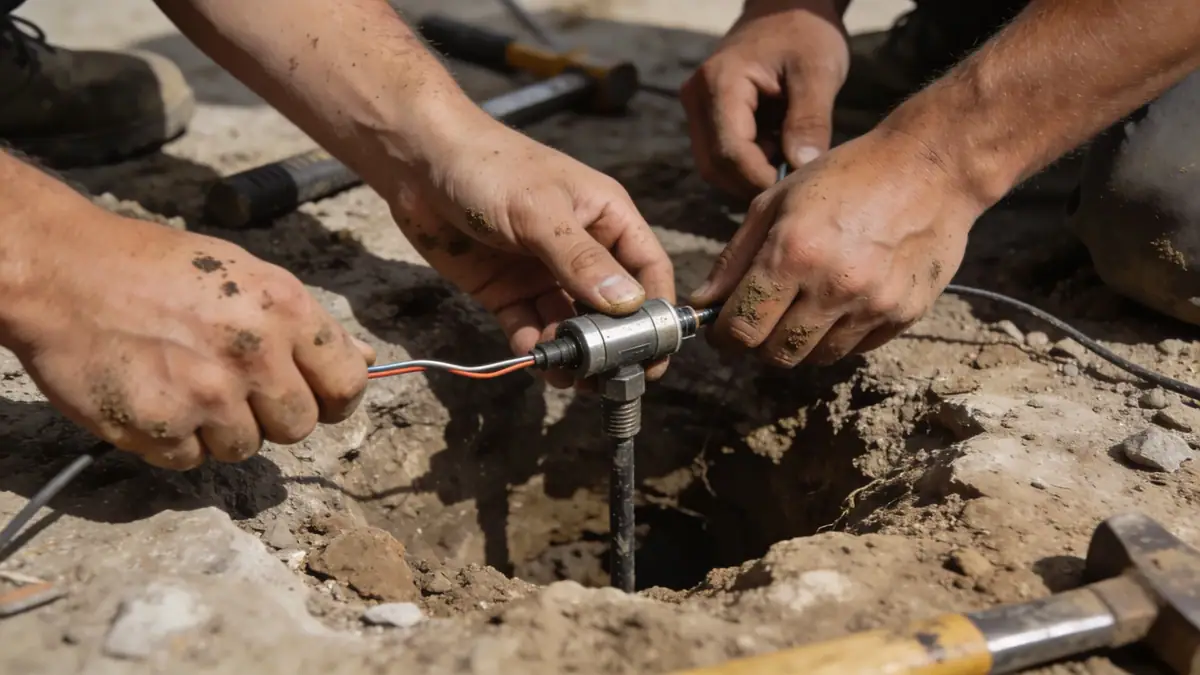
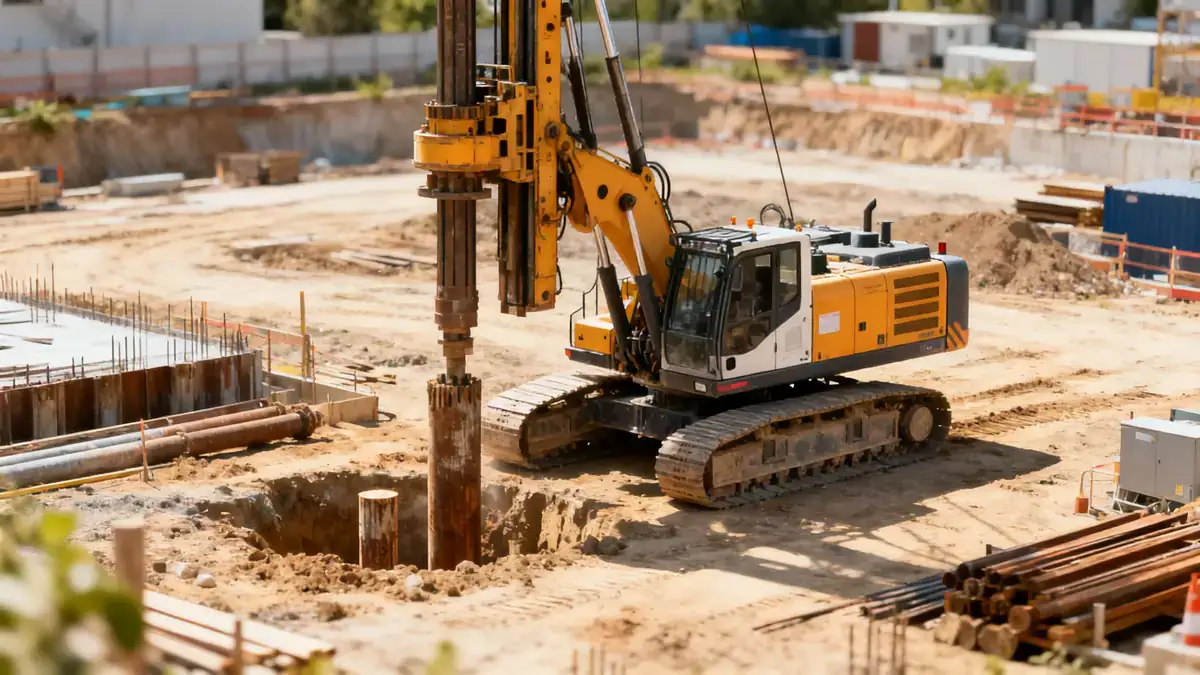
Our methodology for geotechnical engineering in Allentown begins with a thorough review of existing geological maps and records from the Pennsylvania Geological Survey. We then conduct a field exploration program tailored to the site's conditions, typically including spt boring at regular intervals to characterize soil strata and collect undisturbed samples. In accordance with ASTM D1586, standard penetration tests are performed every 1.5 m to obtain N-values for strength assessment. Groundwater levels are monitored during drilling and through standpipe piezometers. All samples are transported to our soil mechanics laboratory for classification, compaction, shear strength, and consolidation tests. The data is synthesized into a comprehensive geotechnical report with foundation recommendations, seismic site classification per ASCE 7-22, and construction considerations for the Allentown area.
Reference Technical Parameters
| Parameter | Reference Value |
|---|---|
| Predominant soil type | Glacial till (silty sand with gravel) and alluvial deposits |
| Maximum seismic acceleration (PGA) | 0.15 g (ASCE 7-22, Site Class C/D) |
| Typical groundwater level | 2–5 m below grade (varies seasonally) |
| Bedrock depth | 5–15 m (shallow in uplift areas, deeper in valleys) |
| Typical N60 range | 10–30 blows/0.3 m in till; 4–12 in alluvial sands |
Local Considerations — Allentown
Allentown's geology is dominated by glacial till deposited during the Wisconsin glaciation, underlain by shale and limestone bedrock of the Valley and Ridge province. This creates a highly variable subsurface: in downtown Allentown, fill and alluvial soils along the Lehigh River require careful groundwater management, while in the western suburbs, shallow bedrock (1–3 m) necessitates rock excavation for deep foundations. The region is in Seismic Design Category B (ASCE 7-22), but site-specific ground motion analysis may be required for critical structures. Our team has extensive experience navigating these conditions, from residential subdivisions to commercial towers. For projects requiring broader regional context, we coordinate with our geotechnical engineering in Philadelphia office to leverage additional resources.
Request a Quote
Our team reviews your project and issues an initial report at no cost.
Or write us directly at [email protected]
Services in Allentown
Applicable Standards
- ASTM D1586 (Standard Penetration Test)
- ASCE 7-22 (Minimum Design Loads for Buildings)
- Pennsylvania Uniform Construction Code (UCC)
- ASTM D2487 (Unified Soil Classification System)
- ASTM D3080 (Direct Shear Test)
Frequently Asked Questions
What soil types are commonly encountered in Allentown?
Allentown's soils are predominantly glacial tills—silty sands with gravel—and alluvial deposits along the Lehigh River. Glacial tills provide moderate bearing capacity, while alluvial soils may be loose and require densification. Shale bedrock is often present at shallow depths in western areas.
Does Allentown have seismic design requirements?
Yes, all structures in Allentown must comply with ASCE 7-22 seismic provisions. The region is classified as Seismic Design Category B, with a maximum considered earthquake (MCE) PGA of 0.15 g. Site-specific response spectra may be needed for essential facilities.
Are geotechnical investigations mandatory for construction in Allentown?
While not explicitly required for all projects, most municipalities in Lehigh County enforce the Pennsylvania UCC, which mandates a geotechnical report for commercial buildings and multi-family residences. Lenders and insurers also often require subsurface evaluations for risk mitigation.