Methodology
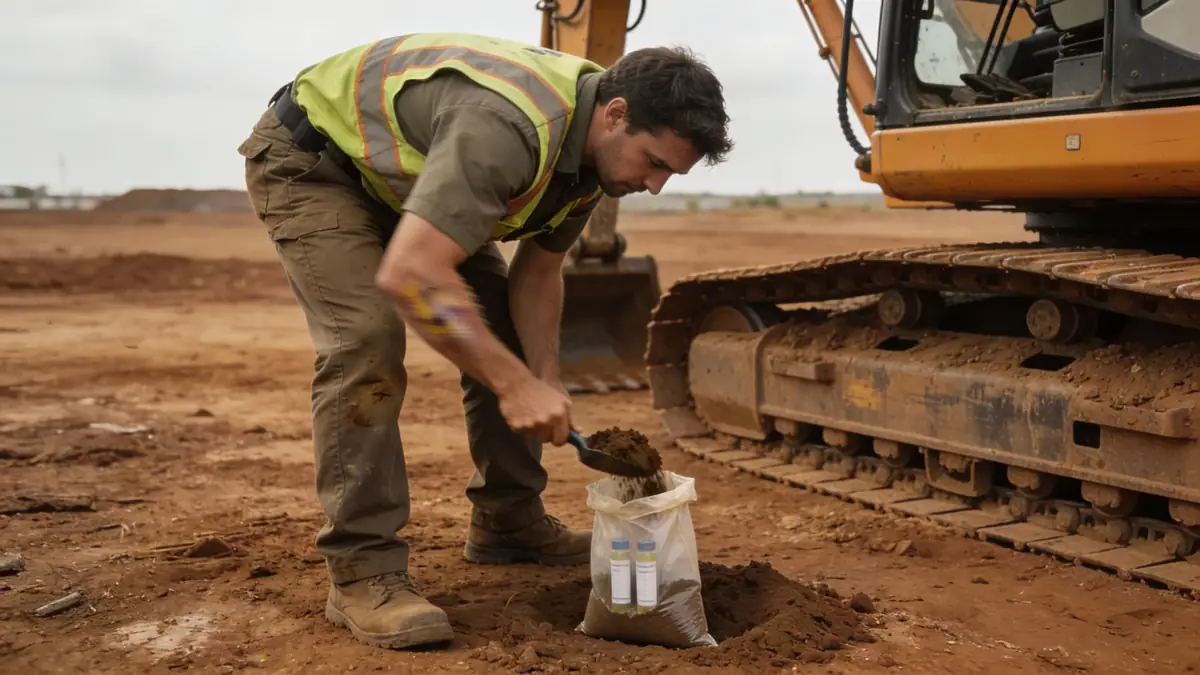
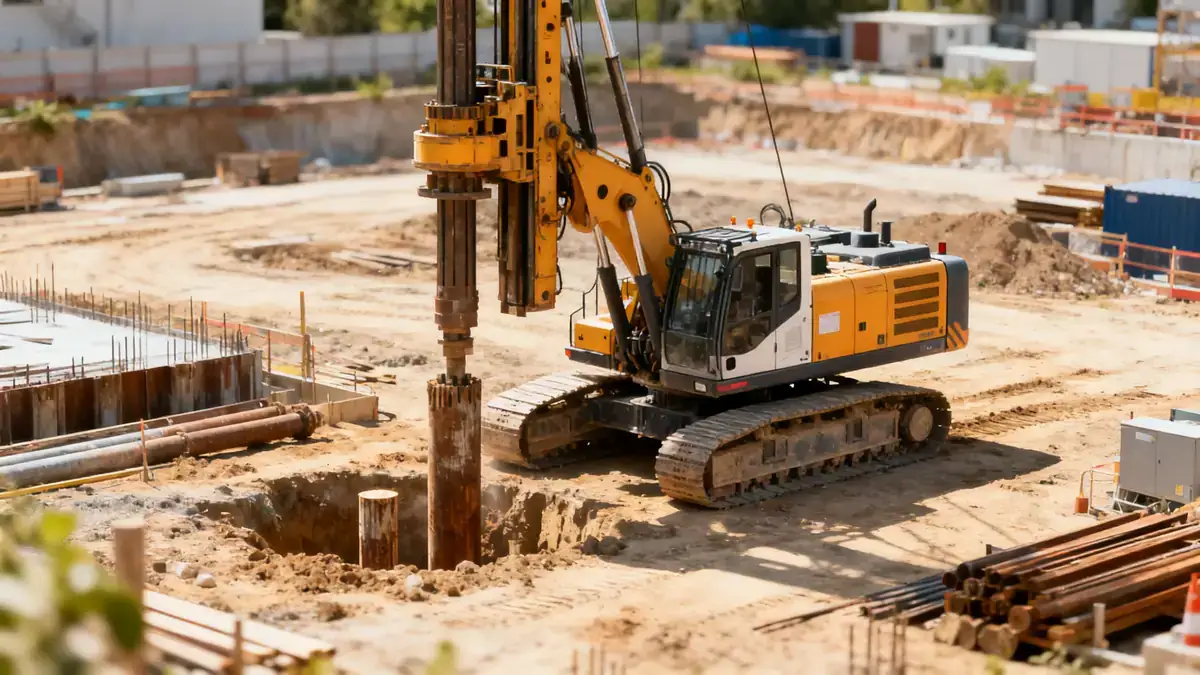
Our methodology for geotechnical engineering in Anaheim integrates field exploration, laboratory testing, and advanced analysis. We perform spt boring to obtain subsurface profiles and soil samples per ASTM D1586, with sampling intervals typically every 1.0 to 1.5 meters. Soil classification follows the Unified Soil Classification System (USCS) through grain-size analysis (ASTM D6913) and Atterberg limits (ASTM D4318). For seismic design, we evaluate site class per ASCE 7-16 using shear wave velocity measurements. This systematic approach ensures robust foundation recommendations tailored to Anaheim's variable alluvial soils.
Reference Technical Parameters
| Parameter | Reference Value |
|---|---|
| Predominant soil type | Silty sand (SM) to poorly graded sand (SP) with gravel |
| Maximum seismic acceleration (PGA) | 0.4g to 0.6g (ASCE 7-16, Site Class D) |
| Typical groundwater level | 10 to 30 feet below ground surface |
| Bedrock depth | Greater than 100 feet (deep alluvium) |
| Typical N60 range | 10 to 30 blows per foot in upper 20 feet |
Local Considerations — Anaheim
Anaheim's geology consists of young alluvial deposits from the Santa Ana River, with variable layering of sands, silts, and clays. The city lies in a seismically active region, with the Whittier Fault and San Andreas Fault posing significant hazards. Liquefaction potential is high in areas with shallow groundwater and loose sands, particularly near the river. Our team assesses these risks using site-specific response analyses. For projects in the Anaheim Resort District, deeper foundations are often required due to loose fills. We coordinate closely with local building departments and reference geotechnical engineering en Los Angeles for regional seismic guidance. Additionally, we apply soil mechanics laboratory testing to refine soil parameters for settlement and bearing capacity evaluations.
Request a Quote
Our team reviews your project and issues an initial report at no cost.
Or write us directly at [email protected]
Services in Anaheim
Applicable Standards
- ASTM D1586 Standard Test Method for Standard Penetration Test (SPT)
- ASCE 7-16 Minimum Design Loads and Associated Criteria for Buildings
- California Building Code (CBC) 2022
- ASTM D2487 Unified Soil Classification System
- ASTM D4318 Atterberg Limits
Frequently Asked Questions
What are the typical soil conditions in Anaheim?
Anaheim's soils are predominantly alluvial sands and silts deposited by the Santa Ana River. Near the surface, loose to medium dense sands (SP-SM) are common, underlain by stiff clays and gravels. Groundwater is typically encountered at depths of 10 to 30 feet.
Which seismic code applies to geotechnical engineering in Anaheim?
The California Building Code (CBC) 2022, based on ASCE 7-16, governs seismic design in Anaheim. Site class determination via shear wave velocity or N60 values is required to calculate seismic coefficients for foundation design.
Is a geotechnical investigation mandatory for construction in Anaheim?
Yes, the City of Anaheim requires a geotechnical report for most new building permits, especially for structures in Seismic Design Categories D or E. The report must address soil bearing capacity, liquefaction potential, and lateral earth pressures.