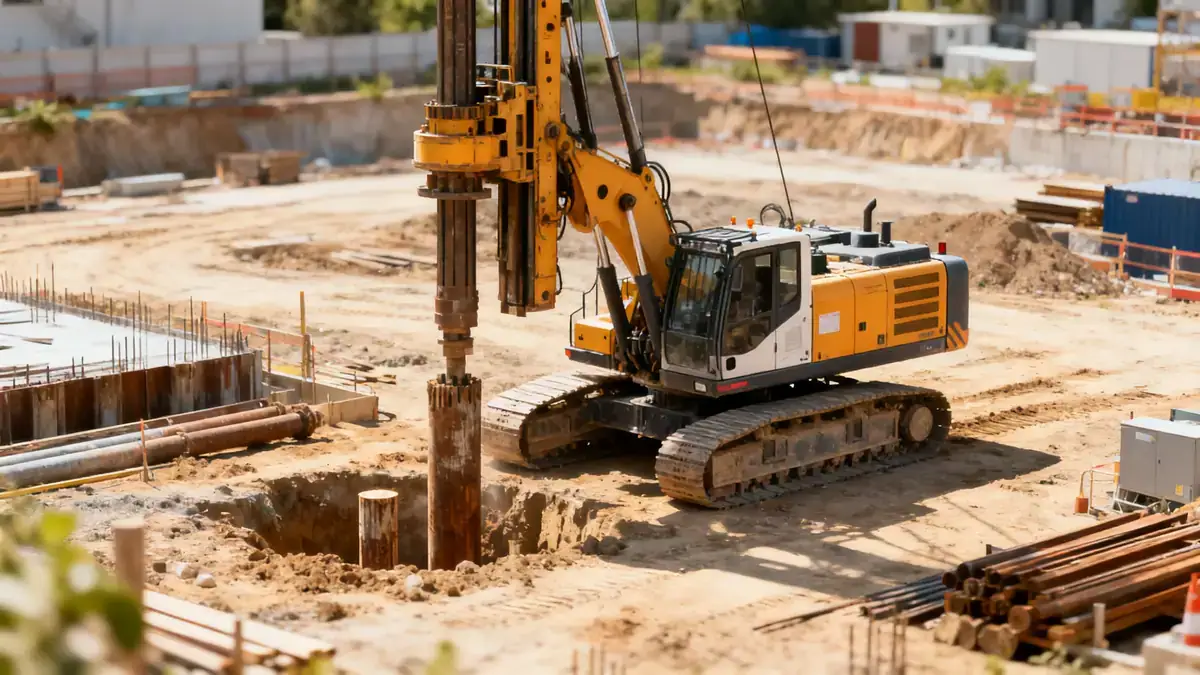
Methodology
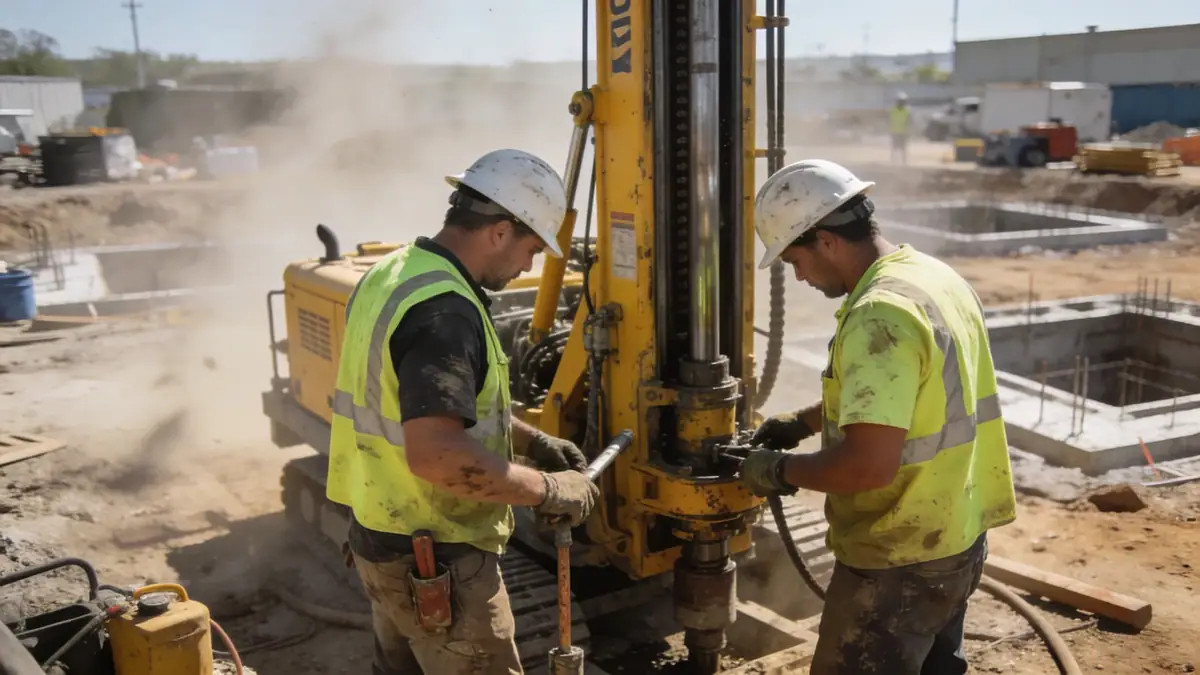
Our firm employs a systematic approach to geotechnical engineering in Anchorage, integrating field investigations like spt boring with laboratory testing. We conduct subsurface explorations per ASTM D1586 to assess soil stratigraphy and strength, using continuous sampling in permafrost zones. Our methodology includes seismic hazard analysis per ASCE 7-22, with site-specific ground motion parameters. We evaluate thaw settlement potential and bearing capacity through advanced modeling, ensuring foundations are designed for long-term stability. This rigorous process supports safe and economical development across Anchorage.
Reference Technical Parameters
| Parameter | Reference Value |
|---|---|
| Predominant soil type | Glacial till, silt, and permafrost-affected soils |
| Maximum seismic acceleration (PGA) | 0.3–0.5 g (subduction zone) |
| Typical groundwater level | 2–5 m below surface |
| Bedrock depth | 10–50 m (variable) |
| Typical N60 range | 10–50 blows/0.3 m |
Local Considerations — Anchorage
Anchorage's geotechnical challenges stem from its location in a seismically active subduction zone underlain by discontinuous permafrost. Seasonal thawing of ice-rich silt reduces bearing capacity, requiring thermal analysis for foundations. Groundwater is shallow, often within 3 m, complicating excavations. Bedrock depth varies widely, with glacial till overlying sedimentary rock. Our team integrates local earthquake records and permafrost data to design resilient solutions. For broader regional context, see our geotechnical engineering services from Seattle, where similar glacial and seismic conditions occur. We also reference slope stability assessments for hillside developments in Anchorage.
Request a Quote
Our team reviews your project and issues an initial report at no cost.
Or write us directly at [email protected]
Services in Anchorage
Applicable Standards
- ASTM D1586
- ASCE 7-22
- IBC 2021
- Alaska Administrative Code (AAC) Title 13
Frequently Asked Questions
What are the most common soil types encountered in Anchorage?
Anchorage predominantly features glacial till, silt, and permafrost-affected soils. Glacial till provides good bearing capacity, while silt and permafrost are problematic due to thaw settlement and low strength. Proper identification via SPT and laboratory testing is essential.
How does seismic activity affect geotechnical design in Anchorage?
Anchorage lies in a high-seismicity zone (PGA up to 0.5 g) due to the Alaska-Aleutian subduction zone. Geotechnical design must account for liquefaction, lateral spreading, and fault rupture. Site-specific response analysis per ASCE 7 is mandatory for critical structures.
Are geotechnical studies mandatory for construction in Anchorage?
Yes, the Alaska Administrative Code requires geotechnical investigations for most building permits, especially in areas with permafrost or seismic hazards. Local municipalities often mandate soil borings and laboratory tests to ensure public safety.