Methodology
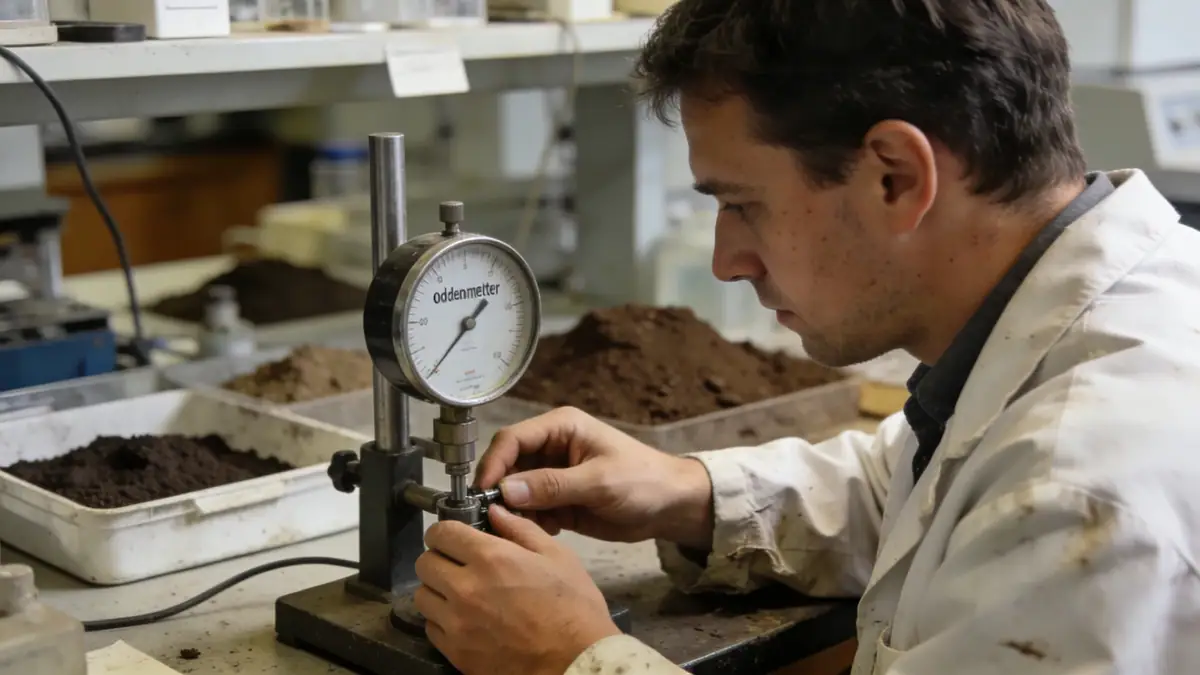
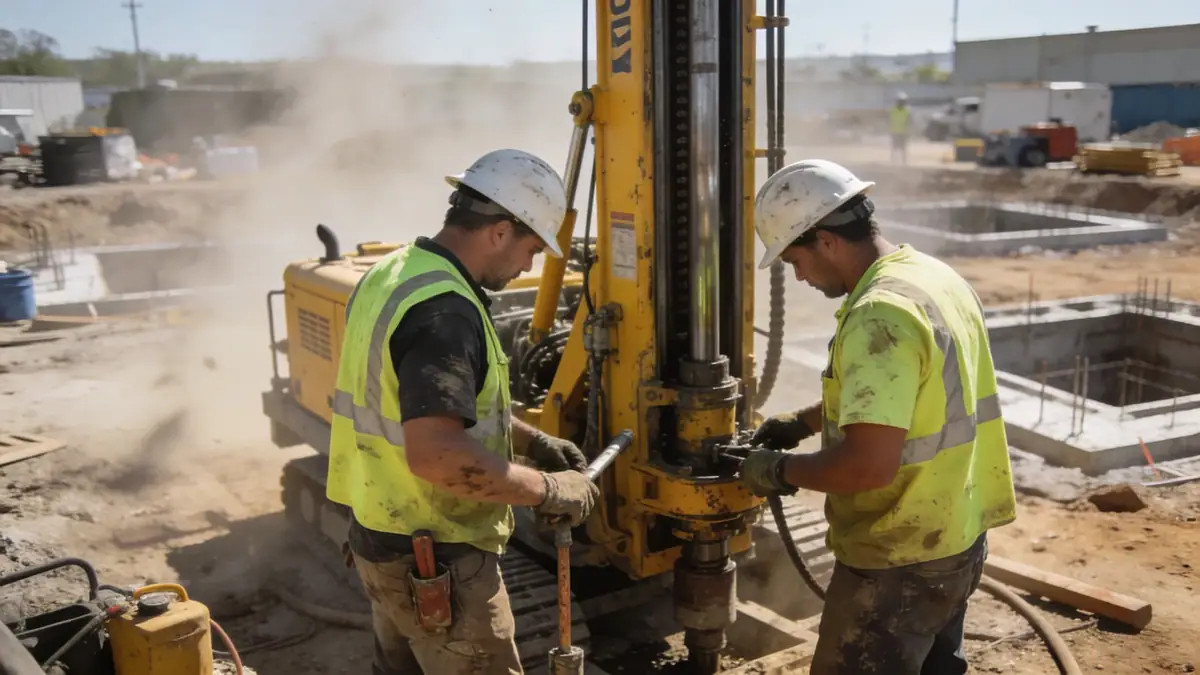
Our methodology for geotechnical engineering in Arlington begins with a comprehensive review of existing geological maps and historical data for the site. We then conduct field investigations, including spt boring to recover disturbed and undisturbed soil samples at regular intervals. Laboratory testing follows ASTM standards to classify soils, measure strength, and assess consolidation characteristics. For expansive clay sites, we perform additional swell-consolidation tests. All data are synthesized into a geotechnical report with foundation recommendations and construction guidelines, tailored to Arlington’s regulatory framework.
Reference Technical Parameters
| Parameter | Reference Value |
|---|---|
| Predominant soil type | Expansive clay (Eagle Ford Group) and alluvial sand/gravel |
| Maximum seismic acceleration (PGA) | 0.10g (ASCE 7-16, Site Class D) |
| Typical groundwater level | 3–8 m below grade (variable seasonally) |
| Bedrock depth | 10–30 m (Austin Chalk formation) |
| Typical N60 range | 4–20 (clay), 10–40 (sand/gravel) |
Local Considerations — Arlington
Arlington’s geology is dominated by Cretaceous-age sedimentary formations. The Eagle Ford Group, a marine clay shale, underlies much of the city and is highly expansive, causing foundation movement if not addressed. In contrast, the Austin Chalk provides stable bedrock for deep foundations. Groundwater levels fluctuate with precipitation and can be shallow near major creeks. Seismic risk is moderate, with a PGA of 0.10g per ASCE 7-16. Our firm applies local expertise to design appropriate foundation systems and soil mitigation strategies. For broader regional context, see geotechnical engineering en Houston.
Request a Quote
Our team reviews your project and issues an initial report at no cost.
Or write us directly at [email protected]
Services in Arlington
Applicable Standards
- ASTM D1586 (Standard Penetration Test)
- ASCE 7-16 (Minimum Design Loads)
- International Building Code (IBC) 2021
- City of Arlington Building Code (Chapter 18 Soils & Foundations)
- ASTM D4318 (Atterberg Limits)
- ASTM D698 (Standard Proctor)
Frequently Asked Questions
What are the most common soil types encountered in Arlington?
The predominant soil types are expansive clays from the Eagle Ford Group and alluvial sands/gravels along streams. These clays have high plasticity and swell potential, requiring special foundation design to prevent damage.
Does Arlington have seismic design requirements?
Yes, Arlington is in Seismic Design Category C per ASCE 7-16, with a peak ground acceleration of 0.10g. Geotechnical investigations must include site class determination and liquefaction assessment for certain soil profiles.
Are geotechnical studies mandatory for residential construction in Arlington?
While not always required for single-family homes on stable soils, the City of Arlington strongly recommends geotechnical investigations for any structure on expansive clay or near floodplains. Many lenders and warranties now require them.