Methodology
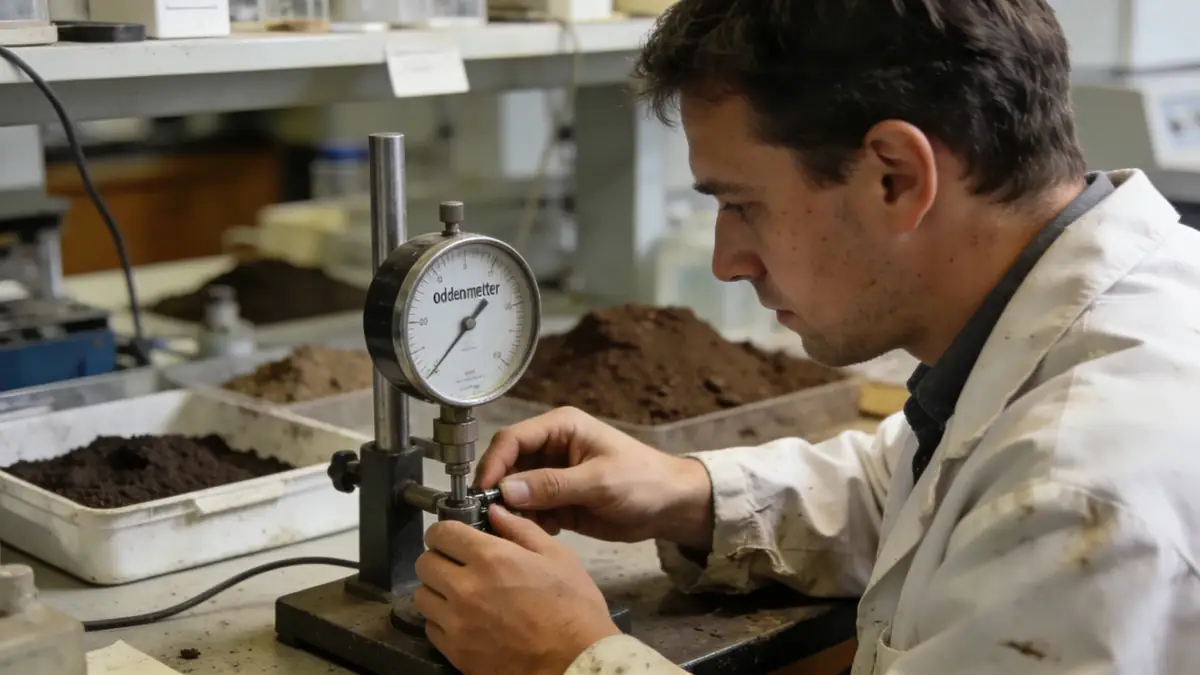
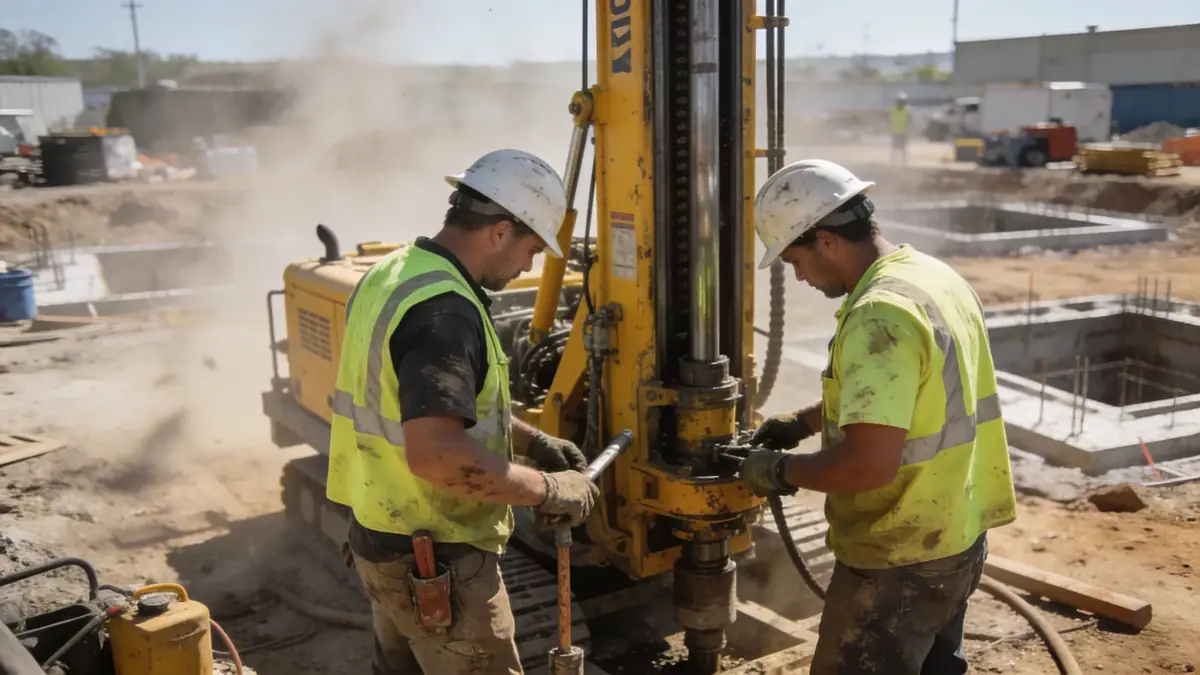
Our methodology for geotechnical engineering in Aurora begins with a comprehensive site investigation, including spt boring to obtain soil samples and measure resistance. We follow ASTM D1586 for standard penetration tests, typically advancing boreholes to depths of 8–15 meters for residential projects. Laboratory testing on retrieved samples determines key properties such as grain size distribution (ASTM D6913) and Atterberg limits (ASTM D4318). This data informs our analysis of bearing capacity, settlement, and liquefaction potential, tailored to Aurora's specific soil and seismic conditions.
Reference Technical Parameters
| Parameter | Reference Value |
|---|---|
| Predominant soil type | Clayey silt with sand (CL-ML) |
| Maximum seismic acceleration (PGA) | 0.4g (ASCE 7-16, Site Class D) |
| Typical groundwater level | 3–6 meters below ground surface |
| Bedrock depth | 20–40 meters (sandstone/shale) |
| Typical N60 range | 8–15 blows/ft (SPT) |
Local Considerations — Aurora
Aurora's geology is dominated by alluvial deposits from the South Platte River, with clayey and silty soils overlying bedrock at variable depths. The water table is shallow in areas near waterways, requiring dewatering or drainage measures. Seismically, Aurora falls within ASCE 7 Site Class D, with a peak ground acceleration of 0.4g, necessitating liquefaction analysis for loose sands. Older neighborhoods may have undocumented fill, while newer developments often require deep foundations. Our team coordinates with soil mechanics laboratory testing to characterize these conditions precisely.
Request a Quote
Our team reviews your project and issues an initial report at no cost.
Or write us directly at [email protected]
Services in Aurora
Applicable Standards
- ASTM D1586
- ASCE 7-16
- IBC 2021
- Aurora Municipal Code Chapter 152
Frequently Asked Questions
What types of soil are common in Aurora?
Aurora's soils are predominantly clayey silts and silty sands from alluvial deposits. These soils can be expansive when wet and may require stabilization or deep foundations for heavy structures. Laboratory testing is essential to determine their engineering properties.
Does Aurora have specific seismic design requirements?
Yes, Aurora is in a seismically active region with a PGA of 0.4g per ASCE 7-16. The city adopts the International Building Code (IBC) with amendments. Geotechnical reports must include site class determination and liquefaction assessment for sandy soils.
Are geotechnical studies mandatory for construction in Aurora?
Aurora's building code requires geotechnical investigations for most commercial and multi-family residential projects. Single-family homes may be exempt, but a geotechnical report is recommended for sites with known soil issues or steep slopes.