Methodology
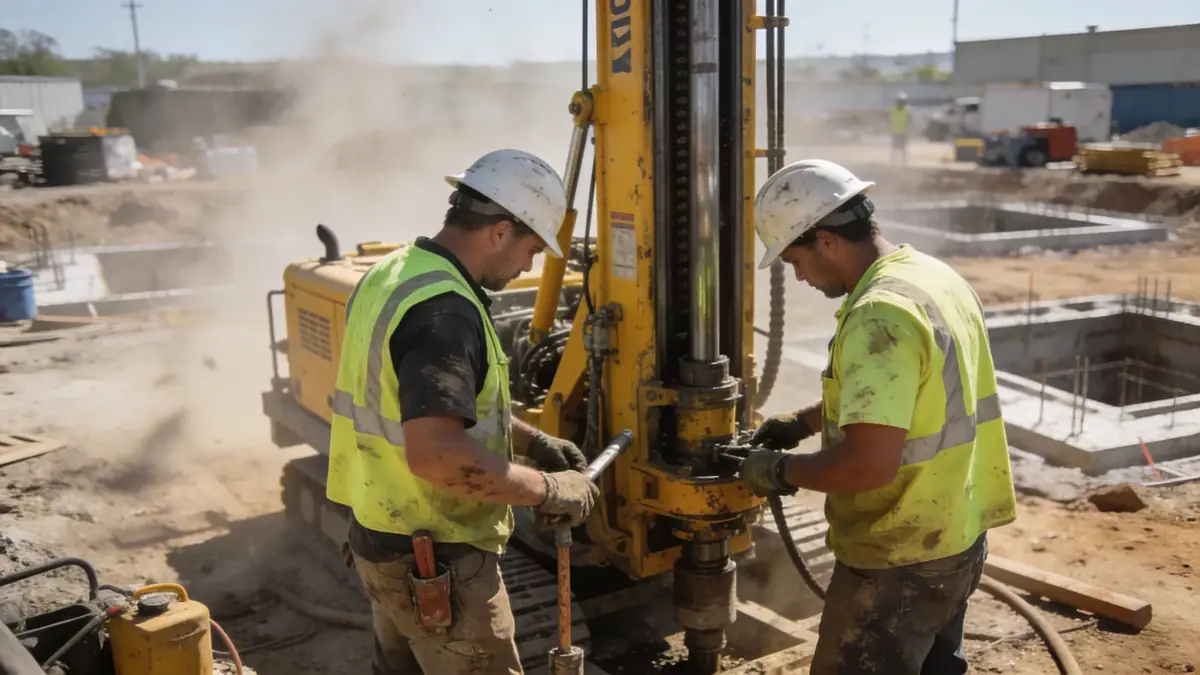
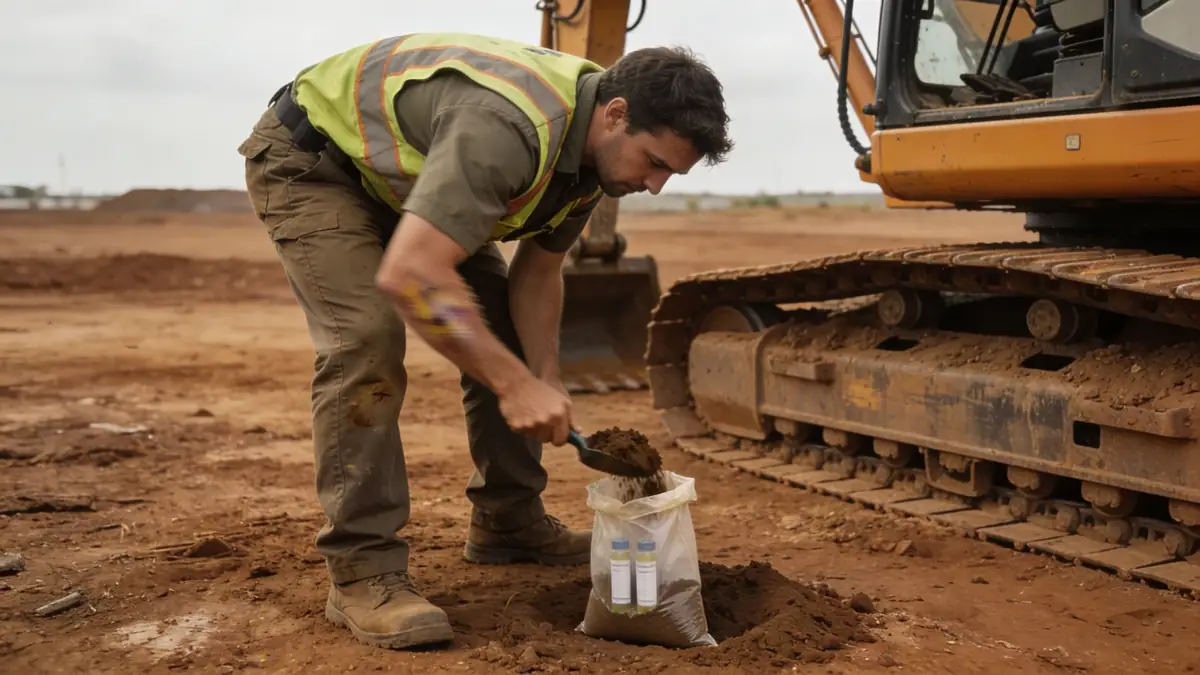
Our methodology for geotechnical engineering in Austin integrates field and laboratory programs tailored to site-specific conditions. We perform standard penetration tests (SPT) per ASTM D1586 to characterize soil stratigraphy and strength, with sampling intervals typically every 1.5 m. In cohesive soils, we collect undisturbed tube samples for laboratory testing. Our approach includes a thorough review of existing geological maps and nearby project data to optimize boring locations. This systematic process ensures reliable design parameters for foundations, retaining walls, and slopes, supported by our spt boring services.
Reference Technical Parameters
| Parameter | Reference Value |
|---|---|
| Predominant soil type | Clayey sands (SC) and fat clays (CH) over limestone |
| Maximum seismic acceleration (PGA) | 0.10–0.15 g (ASCE 7-16) |
| Typical groundwater level | 3–8 m below grade, variable seasonally |
| Bedrock depth | 2–15 m, Glen Rose limestone |
| Typical N60 range (SPT) | 5–15 blows/ft in clays; 25–50 in cemented sands |
Local Considerations — Austin
Austin's geology is dominated by Cretaceous limestone (Glen Rose and Edwards formations) overlain by alluvial deposits from the Colorado River. Expansive clays are common in the eastern part of the city, requiring special foundation designs to mitigate heave. The Balcones Fault Zone runs through the area, creating localized seismic hazards. Groundwater levels fluctuate with rainfall, and karst features can pose challenges for deep foundations. Our team addresses these conditions through detailed site-specific investigations, referencing the soil mechanics laboratory for accurate index properties and swell tests.
Request a Quote
Our team reviews your project and issues an initial report at no cost.
Or write us directly at [email protected]
Services in Austin
Applicable Standards
- ASTM D1586 (Standard Penetration Test)
- ASCE 7-16 (Minimum Design Loads and Associated Criteria for Buildings)
- International Building Code (IBC 2021)
- City of Austin Land Development Code (LDC)
- Texas Administrative Code (TAC) Rules for Soil Investigations
Frequently Asked Questions
What are the typical soil conditions for geotechnical engineering in Austin?
Austin's soils vary from expansive clays in the east to sandy gravels and limestone bedrock in the west. The Colorado River terraces contain interbedded clay, silt, and sand layers. Depth to bedrock ranges from 2 to 15 m, with groundwater often encountered between 3 and 8 m.
Is seismic design required for structures in Austin?
Yes, Austin is in Seismic Design Category B per ASCE 7-16, with a peak ground acceleration of 0.10–0.15 g. The Balcones Fault Zone influences seismic hazard. Geotechnical reports must include site-specific response spectra and liquefaction assessments for critical facilities.
Are geotechnical studies mandatory for construction in Austin?
While not universally required for single-family homes, the City of Austin mandates geotechnical investigations for commercial buildings, multi-story structures, and sites with expansive soils or karst features. Many lenders also require them for financing.