
Methodology
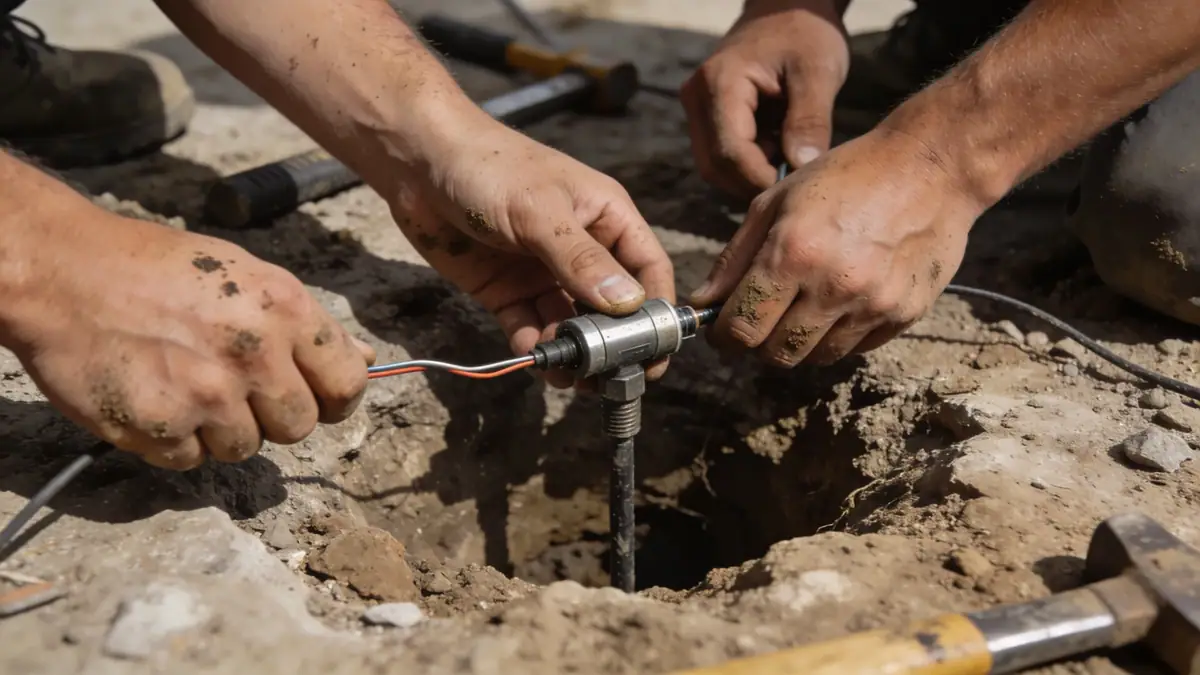
Our methodology for geotechnical engineering in Bakersfield begins with a thorough desk study of existing geological maps and seismic hazard data, followed by field exploration programs that include spt boring to characterize subsurface conditions. We employ standard penetration testing (SPT) in accordance with ASTM D1586 at regular intervals to obtain soil samples and measure resistance. Laboratory testing on recovered samples, including classification, strength, and consolidation tests, is conducted to derive design parameters. All data are integrated into a comprehensive geotechnical report that provides foundation recommendations, settlement analyses, and seismic design criteria tailored to the site.
Reference Technical Parameters
| Parameter | Reference Value |
|---|---|
| Predominant soil type | Alluvial silty sands and clays |
| Maximum seismic acceleration (PGA) | 0.4g (per ASCE 7-16) |
| Typical groundwater level | 3 to 8 meters below grade |
| Bedrock depth | >30 meters (deep alluvium) |
| Typical N60 range (SPT) | 5 to 30 blows/0.3m |
Local Considerations — Bakersfield
Bakersfield's geology is dominated by deep alluvial deposits from the Kern River, consisting of interbedded sands, silts, and clays. Groundwater levels can be shallow in areas near the river, requiring dewatering considerations. The city lies within a seismically active region due to the White Wolf and San Andreas faults, necessitating rigorous seismic site classification per ASCE 7. Older neighborhoods may have undocumented fill, while newer developments on the outskirts often encounter loose sands susceptible to liquefaction. Our team's experience in soil mechanics laboratory testing supports accurate characterization of these variable conditions. For regional context, our geotechnical engineering en Los Angeles office provides additional resources for complex projects.
Request a Quote
Our team reviews your project and issues an initial report at no cost.
Or write us directly at [email protected]
Services in Bakersfield
Applicable Standards
- ASTM D1586 (Standard Penetration Test)
- ASCE 7-16 (Minimum Design Loads and Associated Criteria for Buildings)
- California Building Code (CBC) 2022
- ASTM D2487 (Classification of Soils for Engineering Purposes)
- ASTM D2435 (One-Dimensional Consolidation Properties of Soils)
Frequently Asked Questions
What are the typical soil conditions encountered in Bakersfield for geotechnical engineering?
Bakersfield's subsurface generally consists of deep alluvial deposits of silty sands, clays, and gravels. These soils can vary laterally and with depth, often exhibiting low to medium density in the upper layers. Groundwater is typically encountered between 3 and 8 meters, and the region is prone to liquefaction in loose sands during seismic events.
Is a geotechnical study mandatory for construction in Bakersfield?
Yes, the California Building Code requires a geotechnical investigation for most new construction and significant renovations. Local jurisdictions in Kern County often adopt the CBC with amendments, making site-specific soil and seismic studies necessary to obtain building permits, especially for structures in seismic hazard zones.
How does seismic activity in Bakersfield affect geotechnical engineering recommendations?
Bakersfield is in a high seismic zone with potential peak ground accelerations up to 0.4g. Geotechnical reports must address site classification, liquefaction potential, and lateral spreading. Foundation designs often require deeper embedment, soil improvement, or special structural systems to mitigate seismic risks as per ASCE 7.