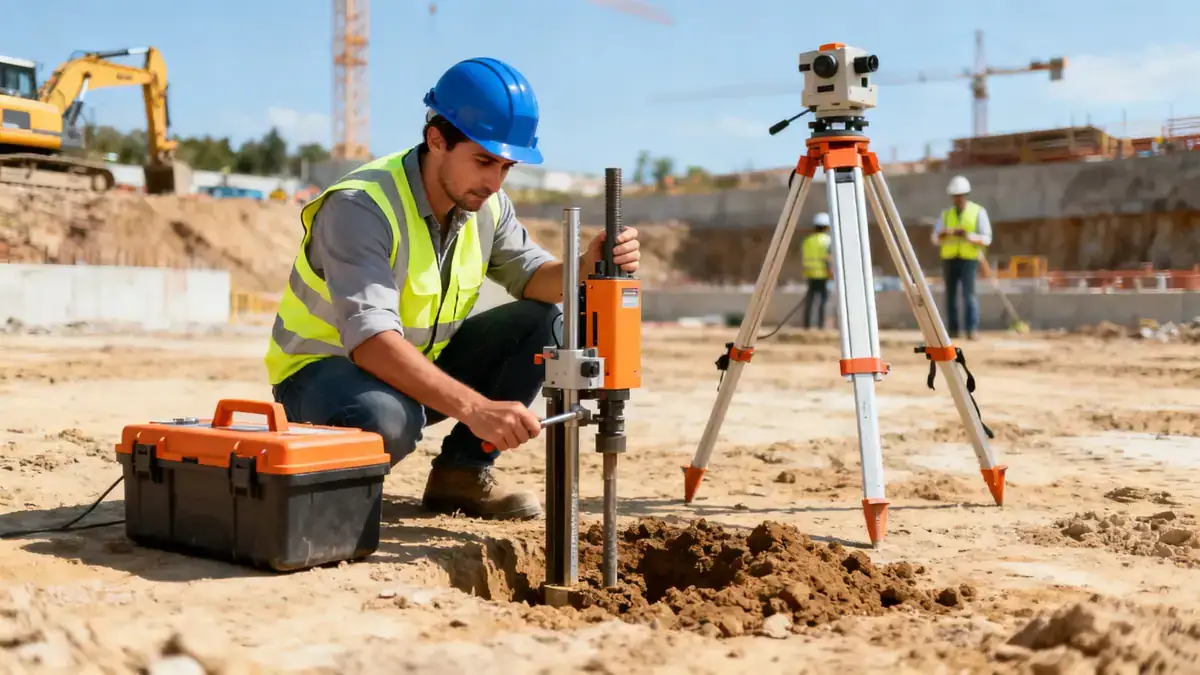
Methodology
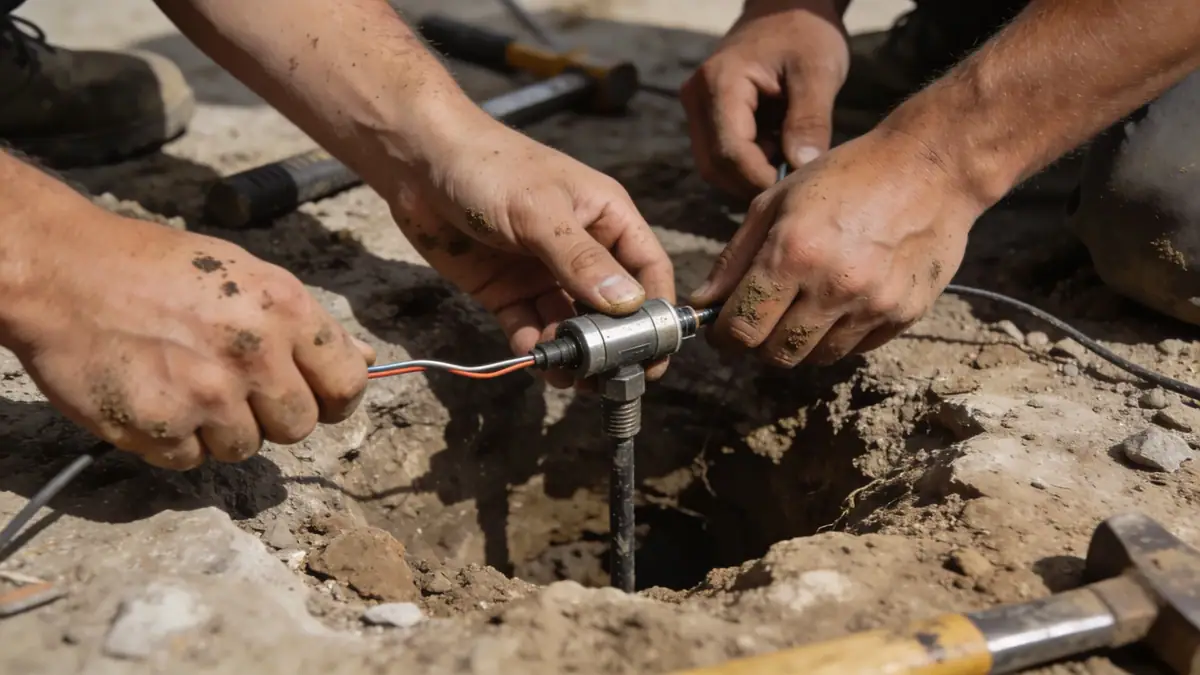
Our methodology for geotechnical engineering in Baltimore begins with a review of existing geological maps and historical data. We then conduct field investigations, including spt boring at strategic locations to characterize soil strata and groundwater conditions. Samples are retrieved for laboratory testing to determine engineering properties such as strength, compressibility, and permeability. The results are analyzed to develop site-specific geotechnical models, which inform foundation design, slope stability assessments, and earthwork recommendations. This systematic approach ensures that our clients receive accurate and reliable data for their projects in Baltimore.
Reference Technical Parameters
| Parameter | Reference Value |
|---|---|
| Predominant soil type | Silty clay, sand, and weathered bedrock (schist/gneiss) |
| Maximum seismic acceleration (PGA) | 0.15g to 0.20g (ASCE 7-16, Site Class C/D) |
| Typical groundwater level | 2 to 6 m below ground surface (variable, higher near waterfront) |
| Bedrock depth | 5 to 30 m (shallower in northern Baltimore, deeper in harbor area) |
| Typical N60 range (SPT) | 4 to 30 blows/0.3m (fill soils lower, weathered rock higher) |
Local Considerations — Baltimore
Baltimore's geology is dominated by the Piedmont Plateau, featuring residual soils overlying metamorphic bedrock (schist and gneiss). The Inner Harbor area contains artificial fill and soft estuarine deposits, requiring deep foundations or ground improvement. Seismic hazard is moderate per ASCE 7-16, with PGA values of 0.15–0.20g. The city's northern suburbs (e.g., Towson) have shallow bedrock, ideal for spread footings, while southern areas (e.g., Glen Burnie) encounter deeper soils and higher groundwater. Typical challenges include variable fill thickness and groundwater control near the harbor. Our team is well-versed in these conditions, providing geotechnical engineering in Baltimore that addresses local variability. For regional context, see our geotechnical engineering en Philadelphia page.
Request a Quote
Our team reviews your project and issues an initial report at no cost.
Or write us directly at [email protected]
Services in Baltimore
Applicable Standards
- ASCE 7-16 (Minimum Design Loads for Buildings)
- IBC 2021 (International Building Code)
- ASTM D1586 (Standard Test Method for SPT)
- ASTM D2487 (Classification of Soils for Engineering Purposes)
- Baltimore City Building Code (Chapter 18, Soils and Foundations)
Frequently Asked Questions
What are the typical soil conditions for foundation design in Baltimore?
Baltimore's soils vary from residual silty clays over weathered schist/gneiss in the north to deep fill and soft clays in the Inner Harbor. N60 values range from 4 to 30 blows/0.3m. Groundwater is encountered at depths of 2–6 m, requiring dewatering or waterproofing measures in many projects.
How does seismic hazard affect geotechnical engineering in Baltimore?
Baltimore is in Seismic Design Category B or C per ASCE 7-16, with PGA up to 0.20g. Site-specific response analysis may be required for critical structures. Liquefaction potential is low except in loose saturated fills near the waterfront, which must be evaluated.
Are geotechnical studies mandatory for construction in Baltimore?
Yes, the Baltimore City Building Code requires a geotechnical investigation for most new structures, especially those with deep foundations or in areas with known fill. A report documenting soil parameters and foundation recommendations must be submitted with the permit application.