Methodology
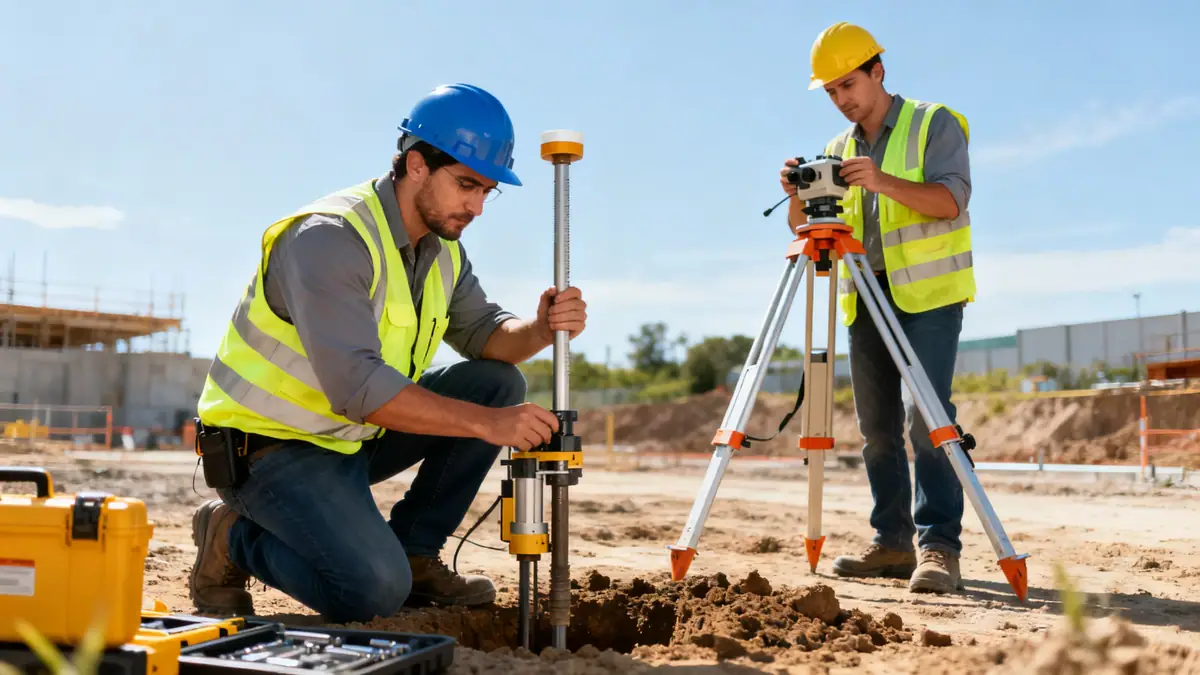
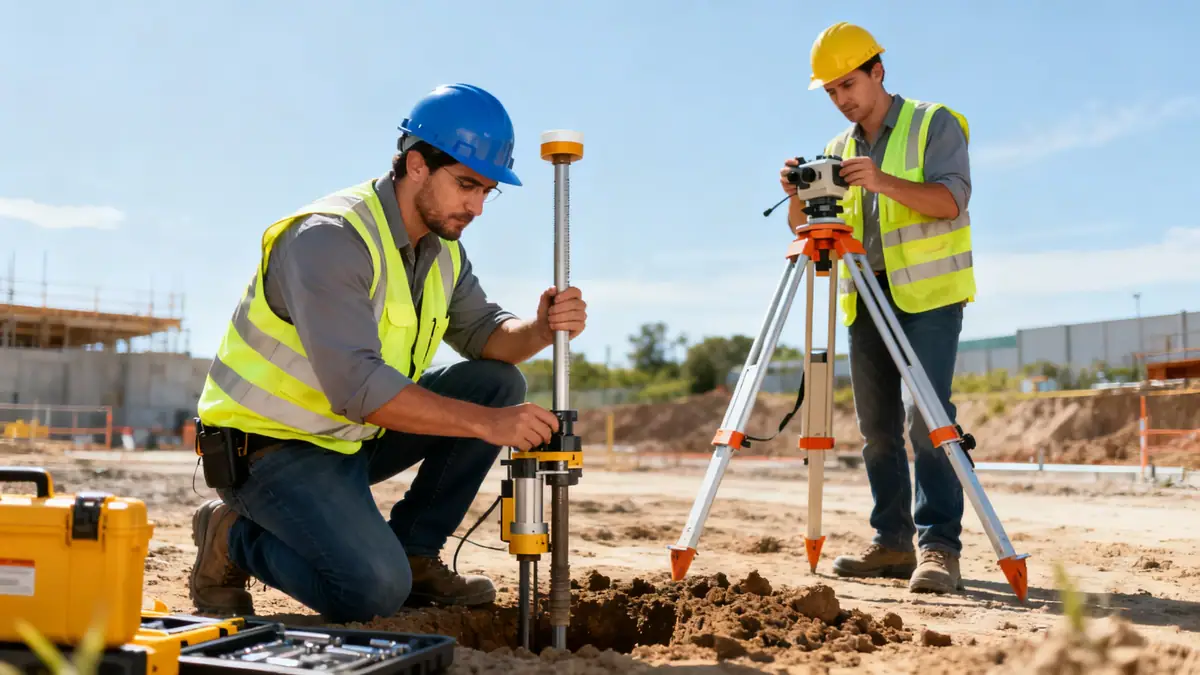
Our methodology for geotechnical engineering in Baton Rouge begins with a comprehensive review of existing geological maps and site history. We then perform field investigations including spt boring per ASTM D1586 to characterize soil stratigraphy and strength. Laboratory testing on recovered samples follows ASTM standards to determine index properties, consolidation, and shear strength. We integrate these data with local seismic hazard considerations per ASCE 7 to develop site-specific recommendations. Our approach ensures that foundation designs and earthworks are optimized for Baton Rouge's challenging soil conditions.
Reference Technical Parameters
| Parameter | Reference Value |
|---|---|
| Predominant soil type | Soft clay and silt (alluvial deposits) |
| Maximum seismic acceleration (PGA) | 0.2g (ASCE 7 Site Class D) |
| Typical groundwater level | 1.5–3.0 m below ground surface |
| Bedrock depth | 30–60 m (Tertiary formations) |
| Typical N60 range (SPT) | 2–10 blows/0.3 m in clay; 10–30 in sand |
Local Considerations — Baton Rouge
Baton Rouge's geology is dominated by Mississippi River alluvium, consisting of soft clays and silts with high compressibility and low shear strength. The shallow water table (1.5–3 m) complicates excavations and requires dewatering considerations. Seismic design per ASCE 7 is critical due to moderate seismicity (PGA 0.2g) and liquefaction potential in loose sands. Downtown areas often feature fill from historical construction, while eastern parishes have stiffer Pleistocene terraces. Our team integrates these factors into practical solutions; for broader regional support, see our geotechnical engineering en Houston hub. Additionally, we apply advanced slope stability analysis for levee and embankment projects common in the area.
Request a Quote
Our team reviews your project and issues an initial report at no cost.
Or write us directly at [email protected]
Services in Baton Rouge
Applicable Standards
- ASTM D1586 (Standard Penetration Test)
- ASCE 7 (Minimum Design Loads for Buildings)
- IBC (International Building Code)
- Louisiana State Building Code
- ASTM D2487 (Classification of Soils)
Frequently Asked Questions
What soil types are commonly found in Baton Rouge?
Baton Rouge soils are predominantly alluvial clays and silts from the Mississippi River, with occasional sand lenses. These soft, compressible deposits require careful foundation design, often involving deep foundations or ground improvement to mitigate settlement risks.
Is seismic design required for projects in Baton Rouge?
Yes, per ASCE 7, Baton Rouge falls into Seismic Design Category C or D depending on site class, with a peak ground acceleration of 0.2g. Site-specific response spectra and liquefaction assessments are typically needed for critical structures.
Are geotechnical studies mandatory for construction in Baton Rouge?
While not always mandated by local code for small residential projects, most commercial and public works require a geotechnical report per IBC and Louisiana building regulations. Lenders and insurers often demand it for risk management.