Methodology
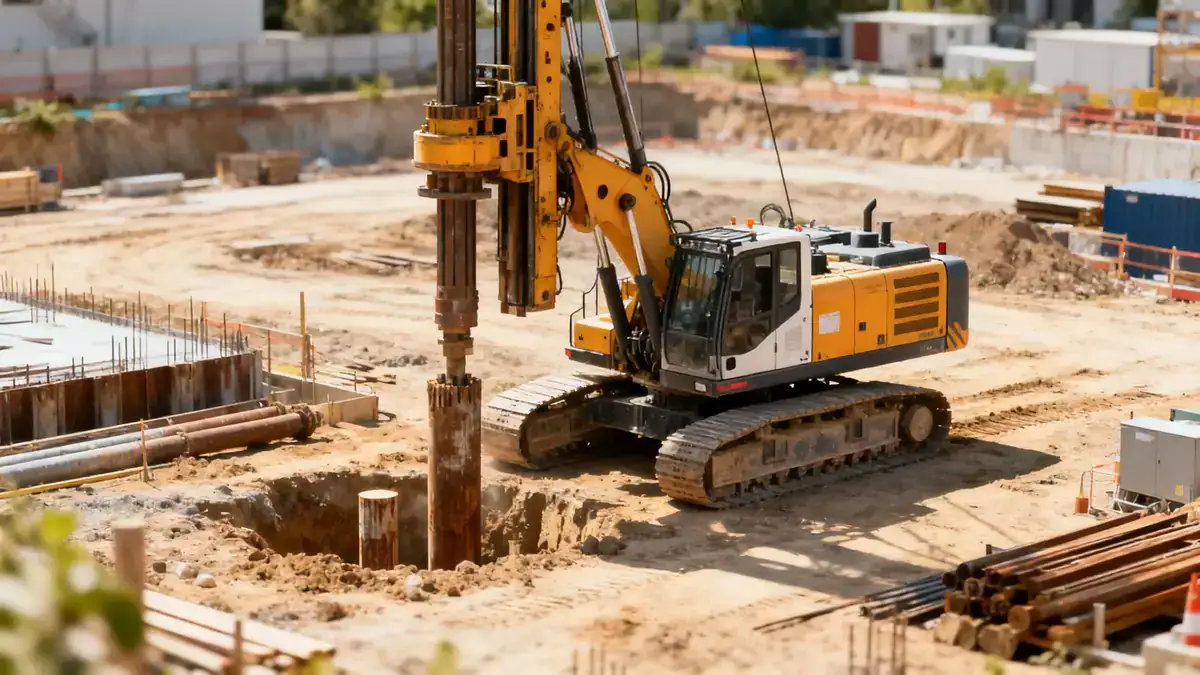
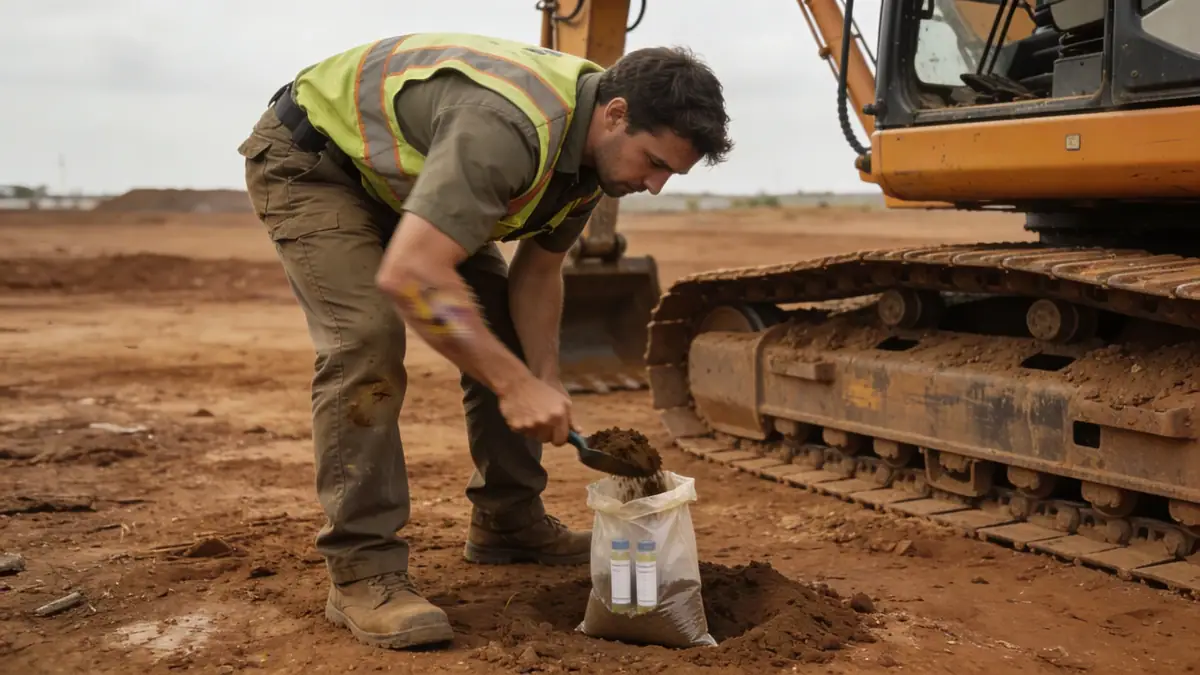
Our methodology for geotechnical engineering in Boise Idaho integrates field exploration, laboratory testing, and analytical modeling to characterize subsurface conditions. Field programs typically include standard penetration testing (SPT) per ASTM D1586, with boreholes advanced to depths of 10 to 30 meters depending on project scale. Soil sampling and in-situ testing are supplemented by geophysical surveys where needed to map basalt layers and alluvial channels. Our spt boring services provide reliable data for foundation design and slope stability analysis. Laboratory testing follows ASTM standards to determine index properties, strength, and compressibility, ensuring that our recommendations are grounded in site-specific evidence.
Reference Technical Parameters
| Parameter | Reference Value |
|---|---|
| Predominant soil type | Alluvial sands, silts, and gravels over basalt bedrock |
| Maximum seismic acceleration (PGA) | 0.20–0.35 g (ASCE 7, Site Class C/D) |
| Typical groundwater level | 3–15 meters below ground surface |
| Bedrock depth | 5–50 meters (variable basalt flows) |
| Typical N60 range | 10–50 blows per 0.3 m (granular soils) |
Local Considerations — Boise Idaho
Boise Idaho's subsurface is shaped by Quaternary alluvial deposits from the Boise River and multiple basalt flows from the Snake River Plain. The alluvial sequence includes sands, silts, and gravels with lenses of clay, while basalt bedrock can be highly fractured or interbedded with sedimentary layers. Groundwater typically occurs in shallow unconfined aquifers at depths of 3 to 15 meters, requiring careful dewatering planning for excavations. Seismic hazard is moderate, with peak ground accelerations between 0.20 and 0.35 g per ASCE 7, and site class often C or D. Our soil mechanics laboratory supports detailed characterization of these materials for foundation and earthwork design. The company's geotechnical engineering en Seattle team provides additional expertise for regional projects.
Request a Quote
Our team reviews your project and issues an initial report at no cost.
Or write us directly at [email protected]
Services in Boise Idaho
Applicable Standards
- ASTM D1586
- ASCE 7
- IBC 2021
- BS 5930
- Eurocode 7
Frequently Asked Questions
What are the typical soil conditions encountered in Boise Idaho?
Boise Idaho's soils consist primarily of alluvial sands, silts, and gravels overlying basalt bedrock. These deposits are variable due to historical river channels and volcanic activity. Groundwater levels are typically shallow, ranging from 3 to 15 meters, and basalt depth can vary significantly across the city.
How does seismic hazard affect geotechnical engineering in Boise Idaho?
Boise Idaho lies within the Intermountain Seismic Belt, with peak ground accelerations of 0.20–0.35 g per ASCE 7. Site-specific seismic analysis is required to evaluate liquefaction potential, slope stability, and foundation response. Our firm incorporates these factors into all project recommendations.
Are geotechnical studies mandatory for construction projects in Boise Idaho?
While not always legally required for all projects, most building permits in Boise Idaho necessitate a geotechnical report per IBC 2021, especially for seismic design. Lenders and insurers often mandate such studies to mitigate risk. Our team provides reports that satisfy local regulatory requirements.