Methodology
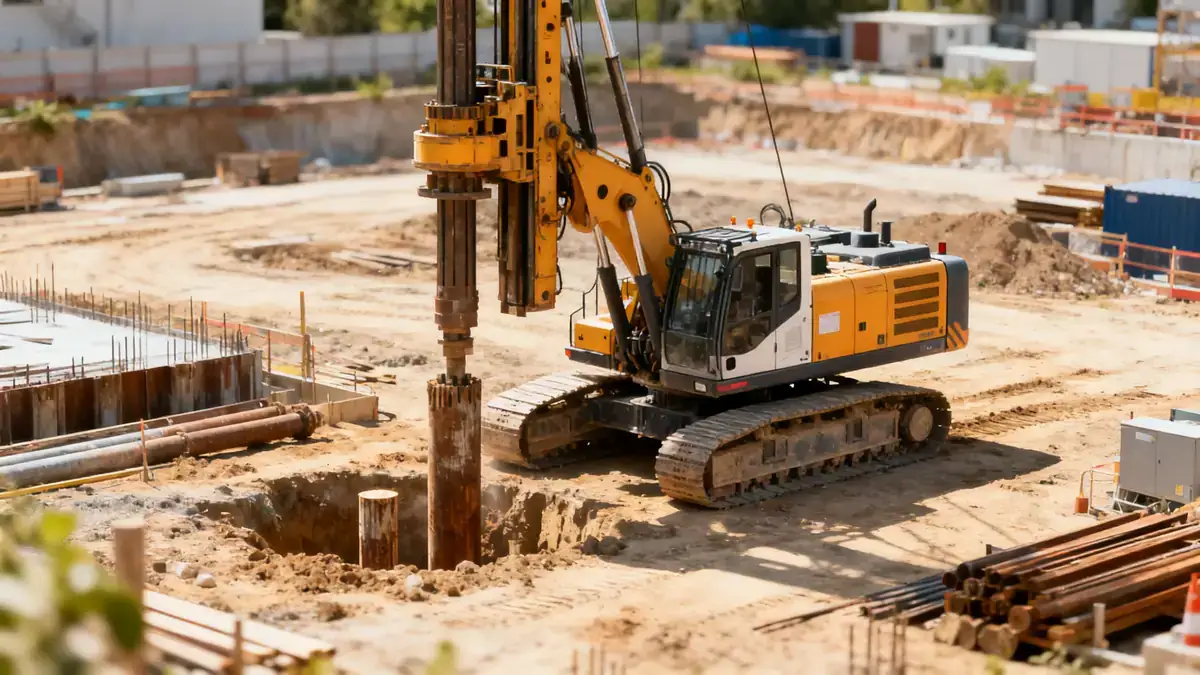
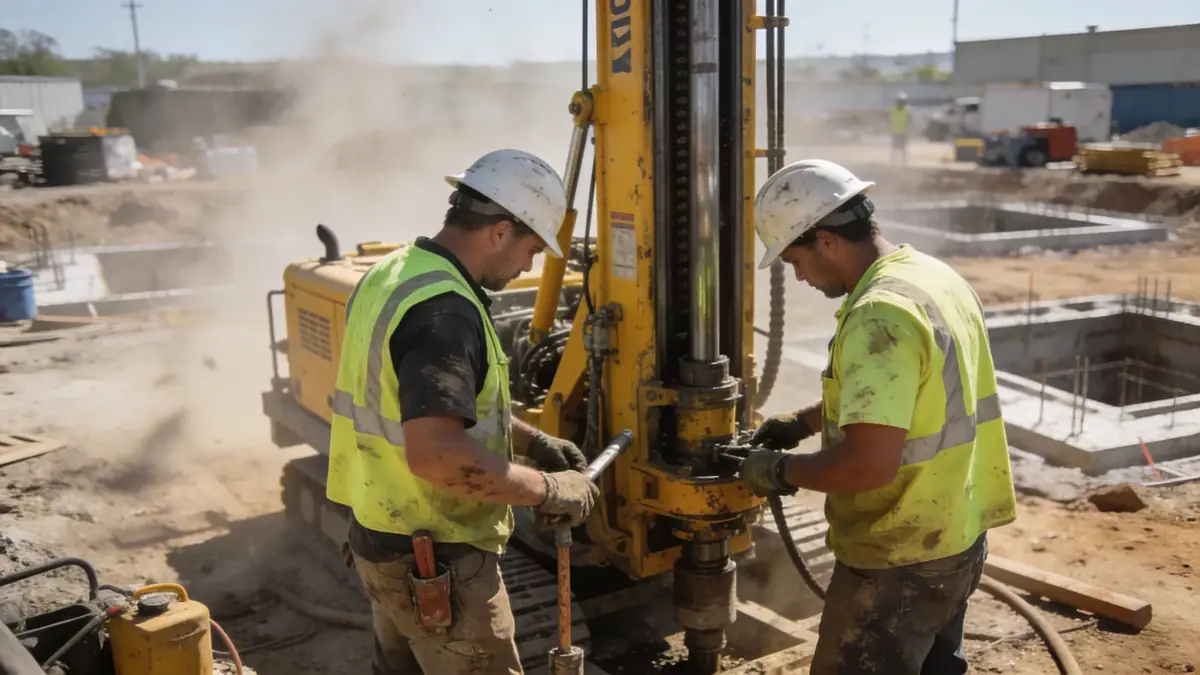
Our methodology for geotechnical engineering in Boise begins with a thorough review of existing geologic maps, well logs, and nearby project records. We then design a subsurface investigation program tailored to the site, typically involving spt boring at intervals of 1.0–1.5 m in accordance with ASTM D1586. Samples are retrieved for laboratory classification and strength testing. We analyze groundwater conditions, slope stability, and seismic site response per ASCE 7-16. Our deliverables include clear recommendations for foundations, retaining walls, and earthwork, supported by detailed calculations and risk assessments.
Reference Technical Parameters
| Parameter | Reference Value |
|---|---|
| Predominant Soil Type | Silty sands and gravels (SM, GP-GM) with cobbles in foothills |
| Maximum Seismic Acceleration (PGA) | 0.3g (10% exceedance in 50 years, per USGS) |
| Typical Groundwater Level | 3–6 m below grade near river; >15 m in upland areas |
| Bedrock Depth | 1–5 m in foothills; >30 m in valley fill |
| Typical N60 Range (SPT) | 10–30 blows/ft in valley; 30–50+ in foothills |
Local Considerations — Boise
Boise's geology is dominated by the Boise River alluvial plain and the adjacent Foothills underlain by granitic bedrock of the Idaho Batholith. The valley fill consists of interbedded sands, gravels, and silts, with occasional clay lenses that can cause differential settlement. Seismic hazard is moderate, with a design PGA of 0.3g per USGS. Our team has extensive experience with slope stability issues in the Foothills, where colluvial soils over bedrock can fail during wet winters. Many projects require coordination with the City of Boise's stormwater regulations to manage shallow groundwater. For broader context, our geotechnical engineering en Seattle team addresses similar challenges in a different tectonic setting.
Request a Quote
Our team reviews your project and issues an initial report at no cost.
Or write us directly at [email protected]
Services in Boise
Applicable Standards
- ASTM D1586 (Standard Penetration Test)
- ASCE 7-16 (Minimum Design Loads and Associated Criteria)
- IBC 2021 (International Building Code, adopted by Idaho)
- City of Boise Stormwater Management Manual
Frequently Asked Questions
What are the typical soil conditions for geotechnical engineering in Boise?
Boise soil conditions vary widely: the Boise River valley features alluvial sands and gravels with shallow groundwater, while the Foothills have colluvial soils over granitic bedrock. Silty sands (SM) and gravels (GP-GM) are common, with occasional clay lenses. SPT N60 values range from 10–30 in the valley to 30–50+ in the foothills.
How does seismic hazard affect geotechnical engineering in Boise?
Boise is in a moderate seismic zone with a design peak ground acceleration (PGA) of 0.3g per USGS. Soil site class (typically C or D) amplifies ground motions. Our geotechnical investigations include seismic site response analysis per ASCE 7-16 to determine design spectra and evaluate liquefaction potential in saturated sands.
Are geotechnical studies required for construction in Boise?
The City of Boise and Ada County require geotechnical reports for most new structures, especially in the Foothills or floodplain. Studies are mandatory for retaining walls over 4 ft, slopes steeper than 3H:1V, and projects with shallow groundwater. Our team ensures compliance with IBC 2021 and local ordinances.