Methodology
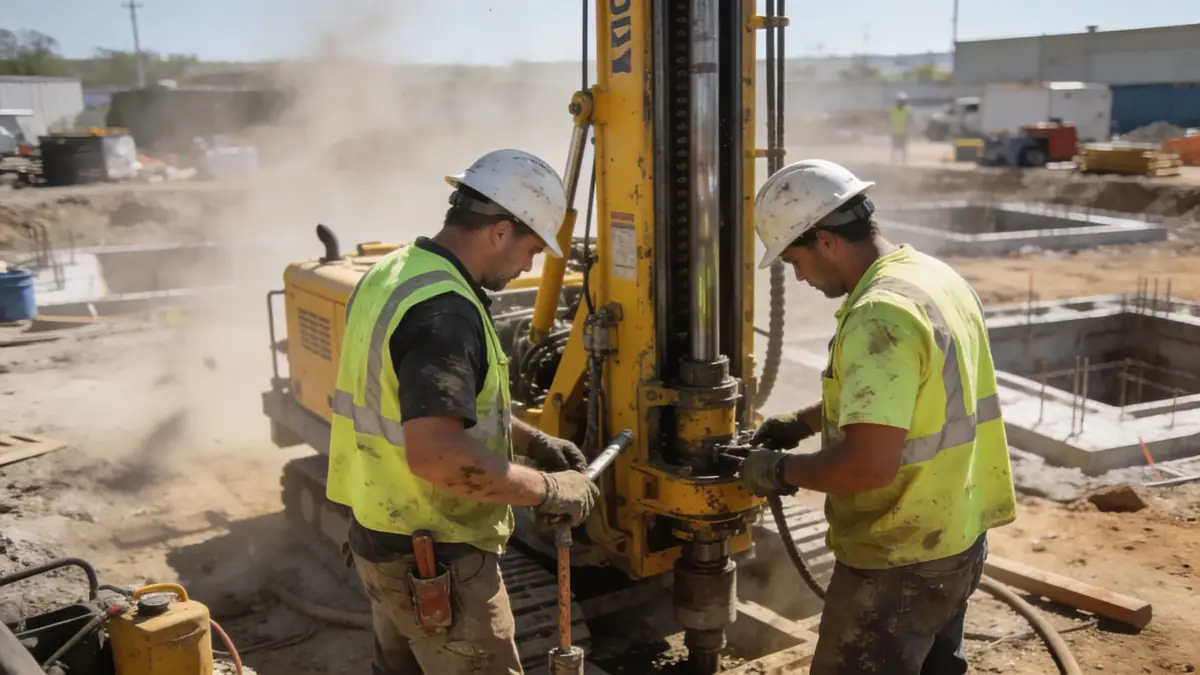
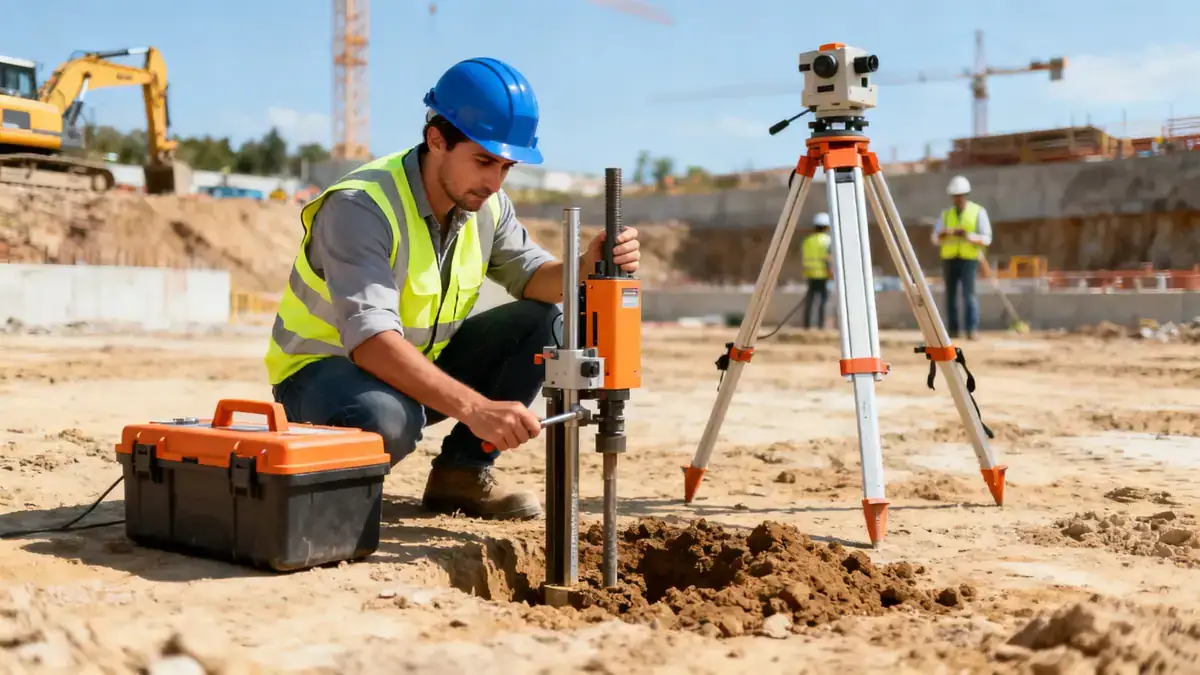
Our methodology for geotechnical engineering in Boston integrates field exploration, laboratory testing, and advanced analysis. We begin with a thorough review of existing geological data and historical fill maps. For subsurface investigation, we employ spt boring in accordance with ASTM D1586, with sampling intervals typically every 1.5 m to capture soil variability. In soft clay deposits common to the area, we augment with CPT soundings for continuous profiling. Laboratory testing follows ASTM standards, including index properties, strength, and consolidation tests. All data is synthesized into a geotechnical model that supports foundation recommendations, slope stability assessments, and construction considerations. Our approach is tailored to Boston’s urban setting, where adjacent structures and utilities require careful planning.
Reference Technical Parameters
| Parameter | Reference Value |
|---|---|
| Predominant soil type | Glacial till, marine clay (Boston Blue Clay), and artificial fill |
| Maximum seismic acceleration (PGA) | 0.18g (ASCE 7-16, Site Class B-C) |
| Typical groundwater level | 1.5–4.5 m below surface (varies seasonally and with fill) |
| Bedrock depth | 10–50 m; shallow in Beacon Hill, deep in Back Bay |
| Typical N60 range (SPT) | 2–10 in soft clay; 20–50 in glacial till |
Local Considerations — Boston
Boston’s geology is dominated by glacial deposits and marine clay (Boston Blue Clay), with extensive artificial fill in areas like Back Bay and South Boston. The water table is shallow, often within 3 m of the surface, requiring careful dewatering and waterproofing. Seismic risk is moderate (ASCE 7 Site Class B-C), with a PGA of 0.18g. The city’s varied topography—bedrock near Beacon Hill versus deep deposits in the South End—demands site-specific studies. Common challenges include foundation design on compressible clay and excavation support in urban infill. For detailed analysis, our soil mechanics laboratory provides advanced testing for Boston’s unique soils. For projects requiring regional perspective, our team also offers geotechnical engineering en New York services.
Request a Quote
Our team reviews your project and issues an initial report at no cost.
Or write us directly at [email protected]
Services in Boston
Applicable Standards
- ASTM D1586
- ASCE 7-16
- Massachusetts State Building Code (9th Edition)
- Boston Water and Sewer Commission Standards
Frequently Asked Questions
What are the typical soil conditions encountered in Boston?
Boston’s subsurface typically consists of artificial fill (sand, rubble) overlying marine clay (Boston Blue Clay), glacial till, and bedrock. The clay is highly compressible, requiring deep foundations or ground improvement for heavy structures.
What seismic design requirements apply to Boston?
Boston is in Seismic Design Category B per ASCE 7-16, with a mapped PGA of 0.18g. The Massachusetts State Building Code adopts ASCE 7 with modifications. Site-specific response spectra may be required for critical structures.
Are geotechnical investigations mandatory for construction in Boston?
Yes, the Massachusetts State Building Code requires a geotechnical investigation for most new buildings and additions. The scope depends on structure size, soil conditions, and seismic design category, as outlined in Chapter 18 of the code.