Methodology
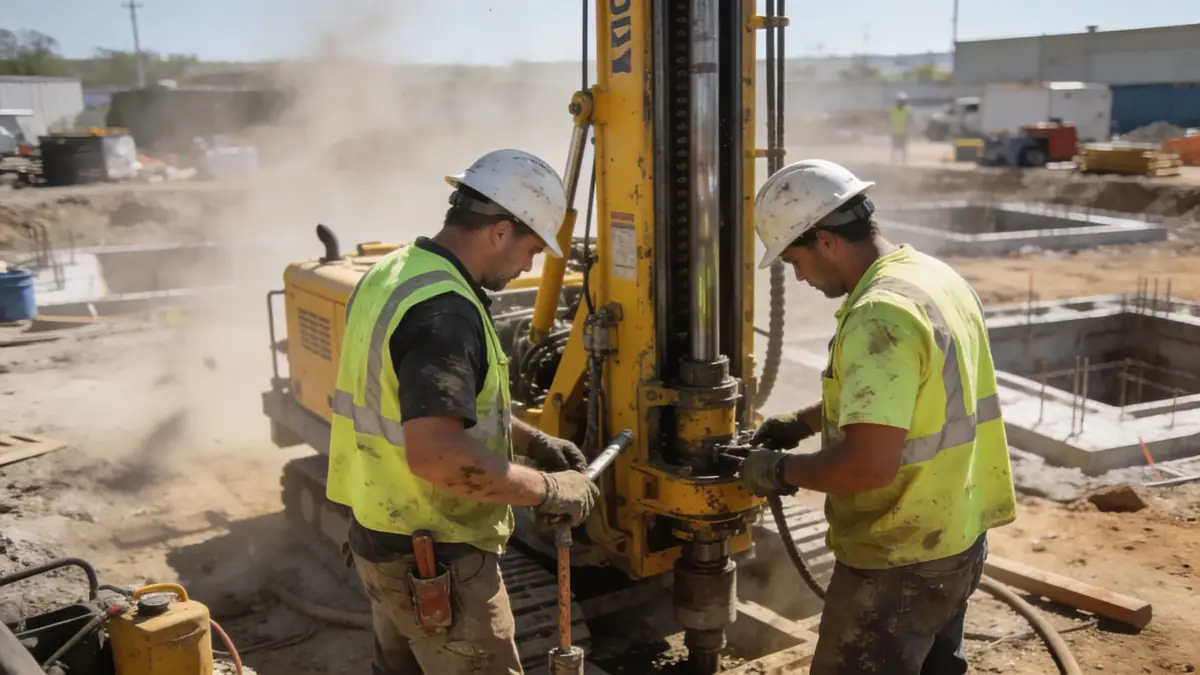
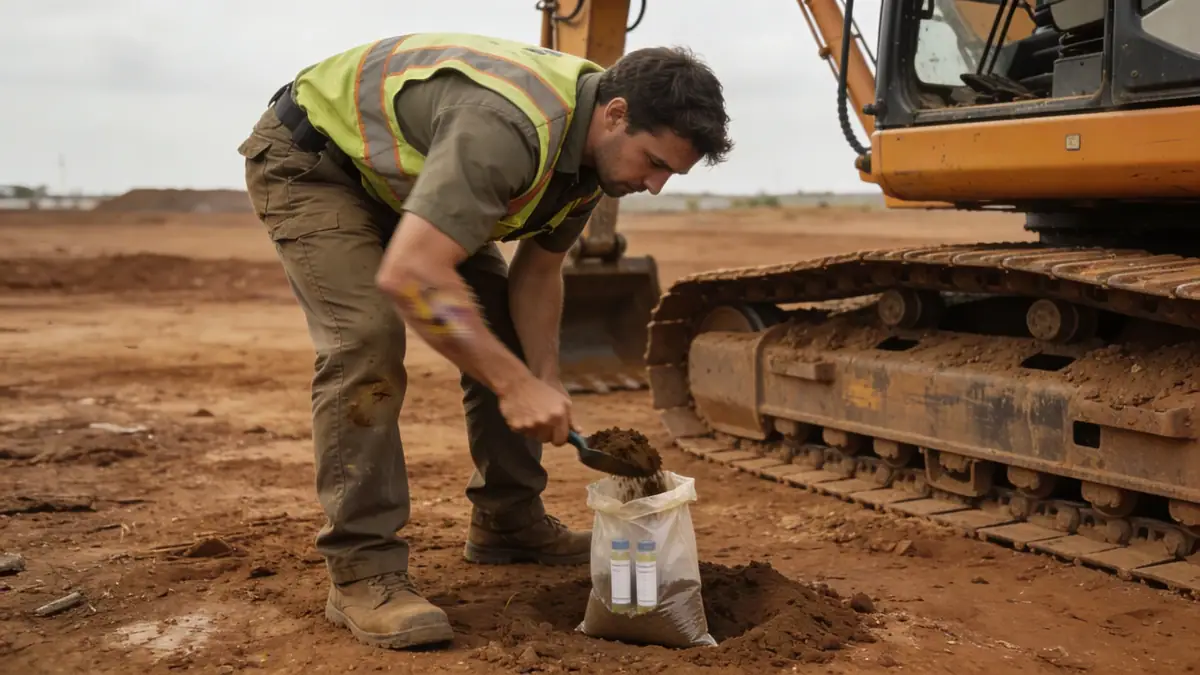
Our methodology for geotechnical engineering in Brownsville Texas begins with a comprehensive review of existing geological maps and historical data. We then conduct field investigations, including spt boring to obtain soil samples and measure penetration resistance. Laboratory tests on recovered samples determine index properties, strength, and consolidation characteristics. Using these data, we develop subsurface profiles and provide recommendations for foundation design, slope stability, and earthwork. Our approach complies with local regulations and industry standards, ensuring that each project benefits from site-specific analysis tailored to Brownsville's unique conditions.
Reference Technical Parameters
| Parameter | Reference Value |
|---|---|
| Predominant soil type | Clay and silty clay, with interbedded sand lenses |
| Maximum seismic acceleration (PGA) | 0.20g (ASCE 7-16, Site Class D) |
| Typical groundwater level | 2-5 m below ground surface |
| Bedrock depth | >100 m (deep sedimentary basin) |
| Typical N60 range (SPT) | 5-15 blows/ft in upper clays; 20-40 in sand layers |
Local Considerations — Brownsville Texas
Brownsville's geotechnical challenges stem from its location on the Rio Grande alluvial plain. The predominant clay soils exhibit high plasticity and low strength, requiring careful evaluation for foundation settlement and slope stability. Seasonal groundwater fluctuations can affect excavation and foundation performance. Seismic design follows ASCE 7 with a PGA of 0.20g, necessitating liquefaction assessment in loose sand layers. Older neighborhoods near the city center often have undocumented fill, while newer developments on the outskirts may encounter deeper clay deposits. Our team integrates these factors into every study, referencing our experience from geotechnical engineering en Houston to deliver robust solutions.
Request a Quote
Our team reviews your project and issues an initial report at no cost.
Or write us directly at [email protected]
Services in Brownsville Texas
Applicable Standards
- ASTM D1586 (Standard Test Method for Standard Penetration Test)
- ASCE 7-16 (Minimum Design Loads and Associated Criteria for Buildings)
- IBC 2021 (International Building Code)
- City of Brownsville Building Code (local amendments)
Frequently Asked Questions
What soil types are commonly found in Brownsville Texas?
The predominant soils are high-plasticity clays (CH) and silty clays (CL) from the Rio Grande floodplain. Interbedded sand lenses are common, especially at depths below 6 m. These soils often exhibit low bearing capacity and high shrink-swell potential, requiring thorough geotechnical evaluation.
Is seismic design required in Brownsville Texas?
Yes, according to ASCE 7-16, Brownsville is in Seismic Design Category D with a PGA of 0.20g. Site-specific seismic analysis, including liquefaction assessment, is mandatory for most structures. Our firm routinely performs these evaluations to ensure compliance with local building codes.
Are geotechnical studies mandatory for new construction in Brownsville?
While not explicitly required for all residential projects, the City of Brownsville Building Code recommends geotechnical investigations for any structure with foundations on expansive soils or in seismic zones. Most lenders and insurers also require a geotechnical report for financing and coverage.