Methodology
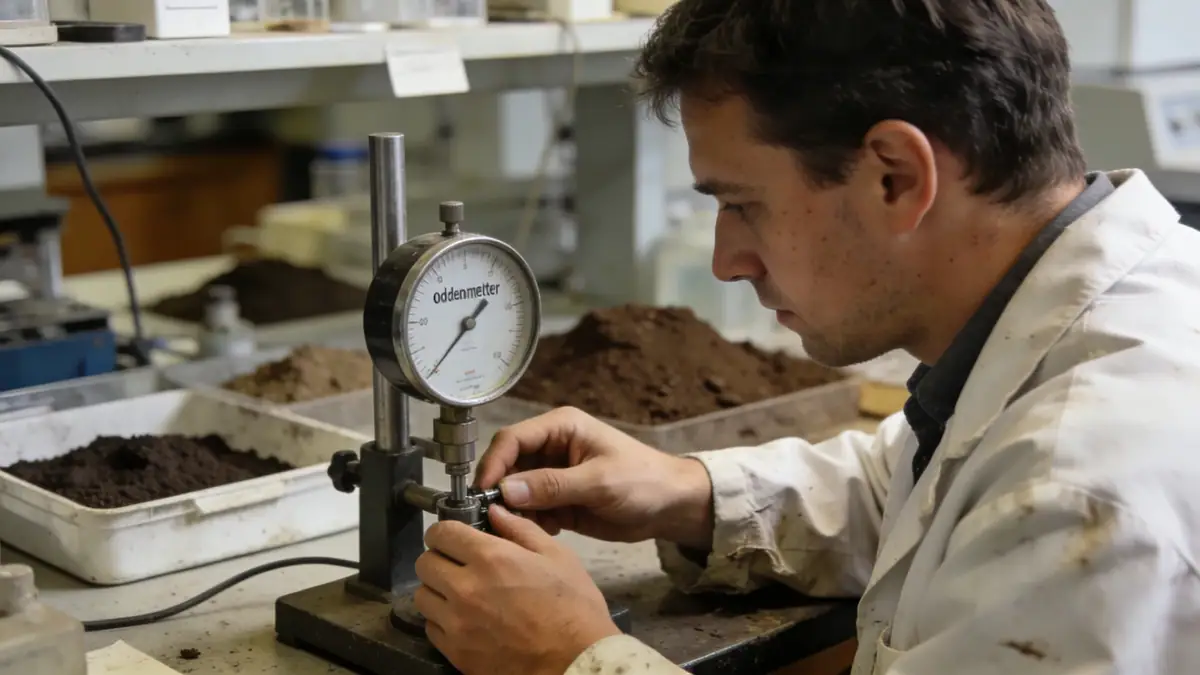
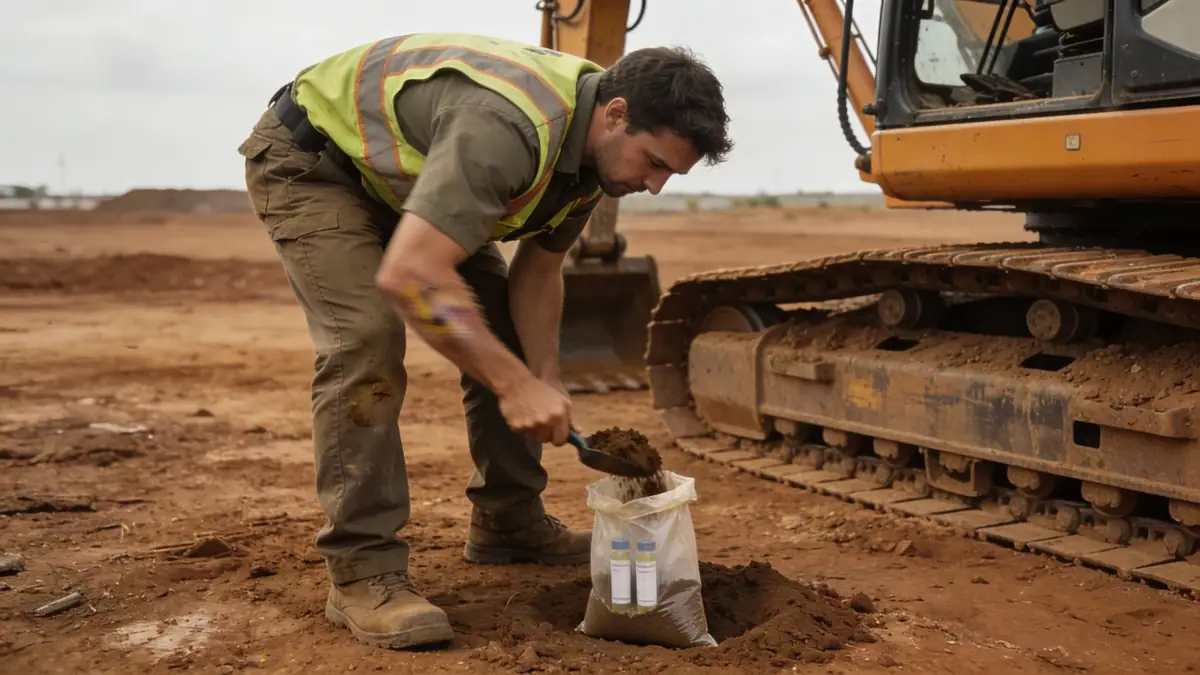
Our methodology in Buffalo integrates standard penetration testing (SPT) per ASTM D1586 with continuous sampling at 1.0 to 1.5 m intervals to profile soil strata and obtain N60 values. We complement SPT with soil mechanics laboratory testing, including grain size analysis (ASTM D6913), Atterberg limits, and direct shear tests (ASTM D3080) to classify soils and determine shear strength parameters. For projects with tight constraints, we employ cone penetration testing (CPT) for continuous stratigraphic logging. All field and lab data are synthesized into geotechnical reports that address foundation recommendations, seismic site classification per ASCE 7, and construction considerations. Our rigorous approach ensures reliable subsurface characterization for every project in Buffalo.
Reference Technical Parameters
| Parameter | Reference Value |
|---|---|
| Predominant Soil Type | Glacial till and lacustrine clay/silt |
| Maximum Seismic Acceleration (PGA) | 0.18g (ASCE 7-16, Site Class D) |
| Typical Groundwater Level | 1.5–3.0 m below grade |
| Bedrock Depth | 10–30 m (shale and limestone) |
| Typical N60 Range | 4–15 (clay/silt) to 20–50 (till) |
Local Considerations — Buffalo
Buffalo's geology is dominated by glaciolacustrine deposits from proglacial Lake Warren, with soft to firm clays and silts in the downtown lake plain and denser glacial tills in the suburbs. The shallow groundwater table (1.5–3 m) often necessitates dewatering for excavations. Seismic design per ASCE 7 Site Class D is typical, with a PGA of 0.18g. A notable case is the Buffalo City Court Building, where deep foundations were required due to compressible clays. For a comprehensive perspective, our team in Philadelphia has addressed similar lacustrine deposits; see geotechnical engineering en Philadelphia for related experience. Additionally, slope stability analyses are often required for the Niagara Escarpment areas.
Request a Quote
Our team reviews your project and issues an initial report at no cost.
Or write us directly at [email protected]
Services in Buffalo
Applicable Standards
- ASTM D1586
- ASCE 7
- IBC 2021
Frequently Asked Questions
What are the typical soil types encountered in Buffalo?
Buffalo's soils are primarily glaciolacustrine clays and silts in the downtown area and glacial tills in the suburbs. The clays are soft to firm with low bearing capacity, while tills are dense with higher strength.
Is seismic design required for buildings in Buffalo?
Yes, Buffalo falls under moderate seismic risk per ASCE 7. Site Class D is typical, and a PGA of 0.18g is used for design. Geotechnical reports must include seismic site classification and liquefaction assessment for sandy layers.
Are geotechnical studies mandatory for construction in Buffalo?
While not always legally required, most local building departments in Erie County expect a geotechnical report for commercial and multi-story residential projects. It is essential for foundation design and permit approval.