Methodology
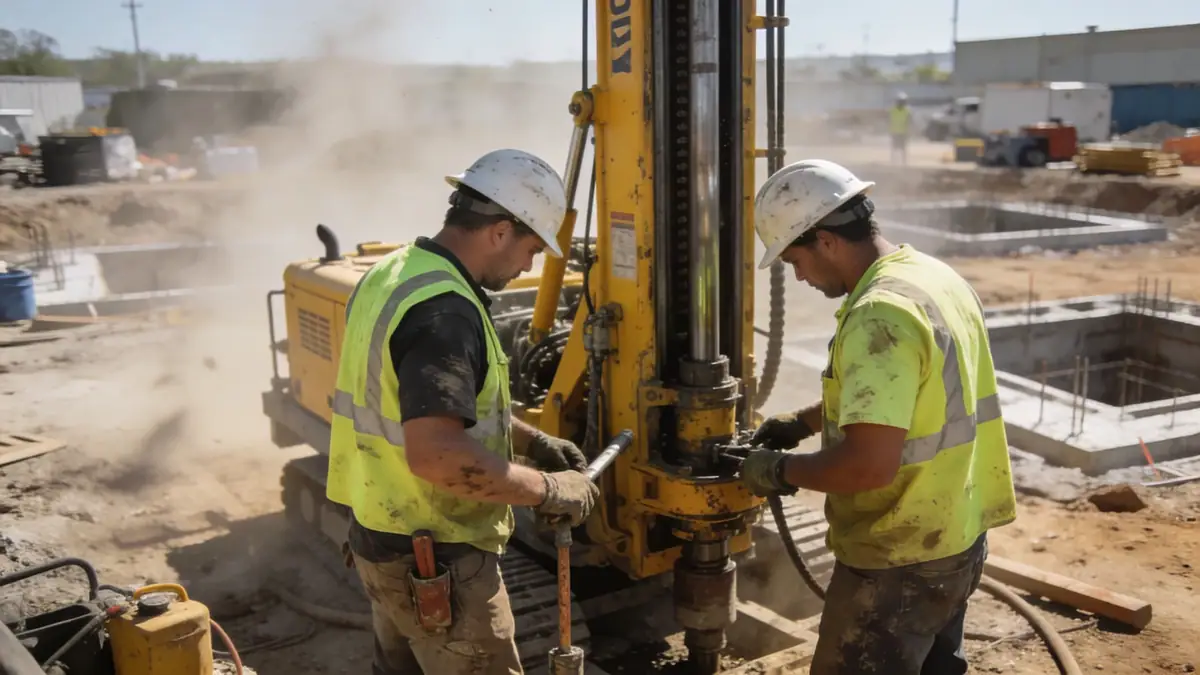
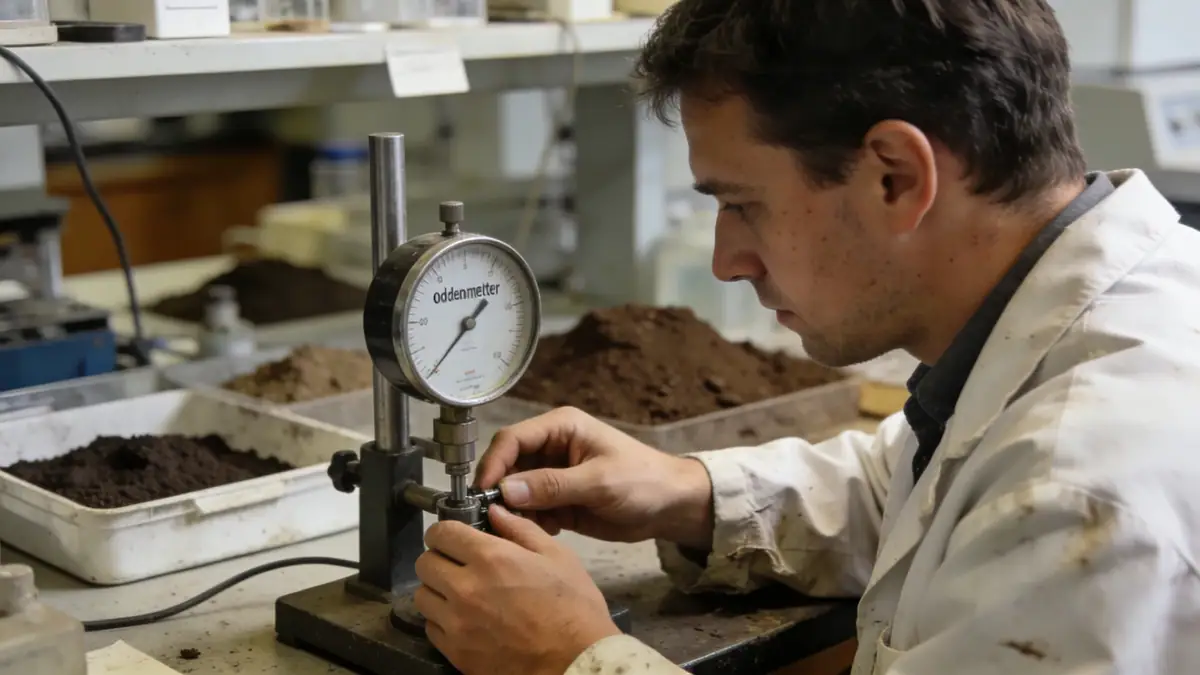
Our methodology for geotechnical engineering in Cape Coral combines field investigation, laboratory testing, and advanced analysis. We conduct spt boring to obtain soil samples and measure N60 values at 1.5 m intervals per ASTM D1586, typically reaching depths of 8–15 m for residential structures. Groundwater observations are recorded during drilling. Laboratory tests include grain size distribution (ASTM D6913), Atterberg limits, and direct shear strength. For seismic design, we evaluate site class per ASCE 7 and perform liquefaction potential analysis. All data inform foundation recommendations, slope stability assessments, and settlement predictions, ensuring cost-effective and safe designs for Cape Coral's unique subsurface conditions.
Reference Technical Parameters
| Parameter | Reference Value |
|---|---|
| Predominant soil type | Sandy soils (SP, SM) with limestone layers |
| Maximum seismic acceleration (PGA) | 0.15g (ASCE 7 Site Class D) |
| Typical groundwater level | 1–3 ft below ground surface |
| Bedrock depth | 10–30 ft (limestone) |
| Typical N60 range | 10–30 blows/ft (sand), 30–50 blows/ft (limestone) |
Local Considerations — Cape Coral
Cape Coral's geology features near-surface limestone bedrock overlain by sands and silts, with groundwater levels within 1–3 ft. Seismic hazard is low (PGA 0.15g per ASCE 7), but liquefaction may occur in loose saturated sands. Canal banks require careful slope stability analysis. Older neighborhoods may have undocumented fills, necessitating deeper investigations. For comprehensive services, see our soil mechanics laboratory. Our team in Cape Coral also coordinates with our main hub for geotechnical engineering in Miami to leverage regional expertise.
Request a Quote
Our team reviews your project and issues an initial report at no cost.
Or write us directly at [email protected]
Services in Cape Coral
Applicable Standards
- ASTM D1586 – Standard Test Method for SPT
- ASCE 7 – Minimum Design Loads for Buildings
- IBC 2021 – International Building Code
- Florida Building Code (FBC)
- ASTM D2487 – Classification of Soils for Engineering Purposes
Frequently Asked Questions
What soil types are common in Cape Coral?
Cape Coral predominantly features sandy soils (SP, SM) overlying limestone bedrock at depths of 10–30 ft. The sands are typically loose to medium dense, with N60 values ranging from 10 to 30 blows/ft. Shallow groundwater and occasional organic layers can complicate foundation design.
Is seismic design required in Cape Coral?
Yes, seismic design per ASCE 7 is required for most structures. Cape Coral falls under Seismic Design Category A or B with a PGA of 0.15g. However, site-specific response spectra may be needed for critical facilities. Liquefaction potential should be evaluated in loose, saturated sands.
Are geotechnical studies mandatory for construction in Cape Coral?
For most commercial and multi-family projects, a geotechnical investigation is required by the Florida Building Code. Single-family homes may not always require one, but a study is strongly recommended due to variable soil conditions and high groundwater to prevent settlement and foundation issues.