Methodology
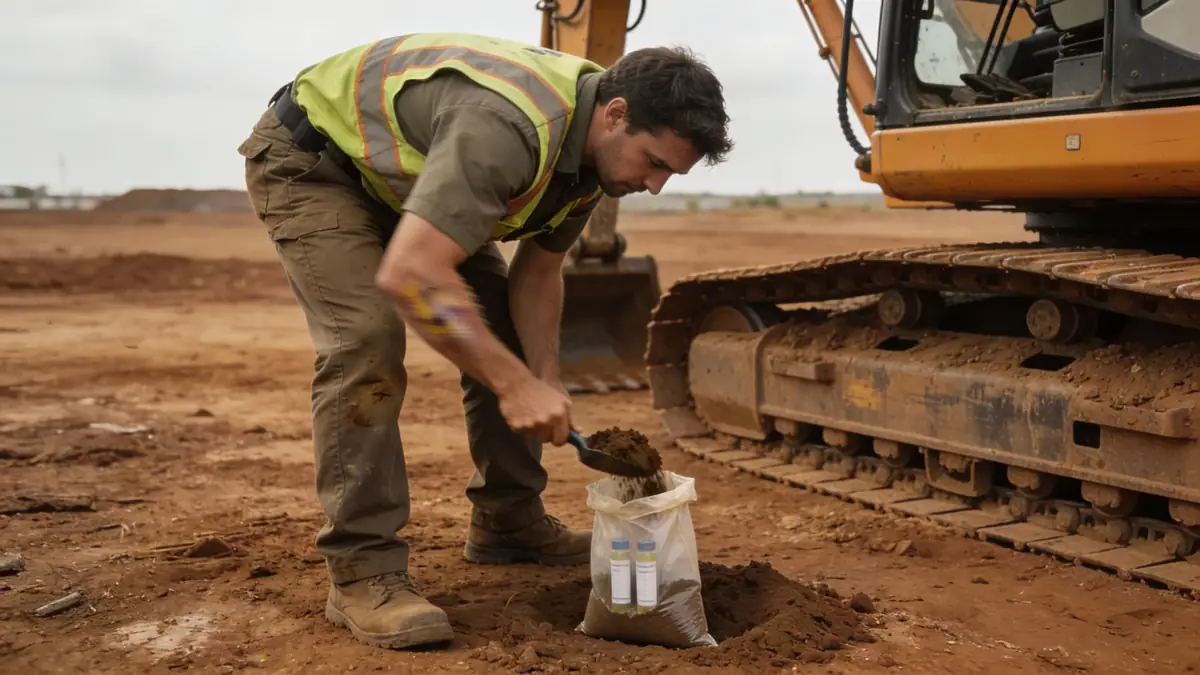
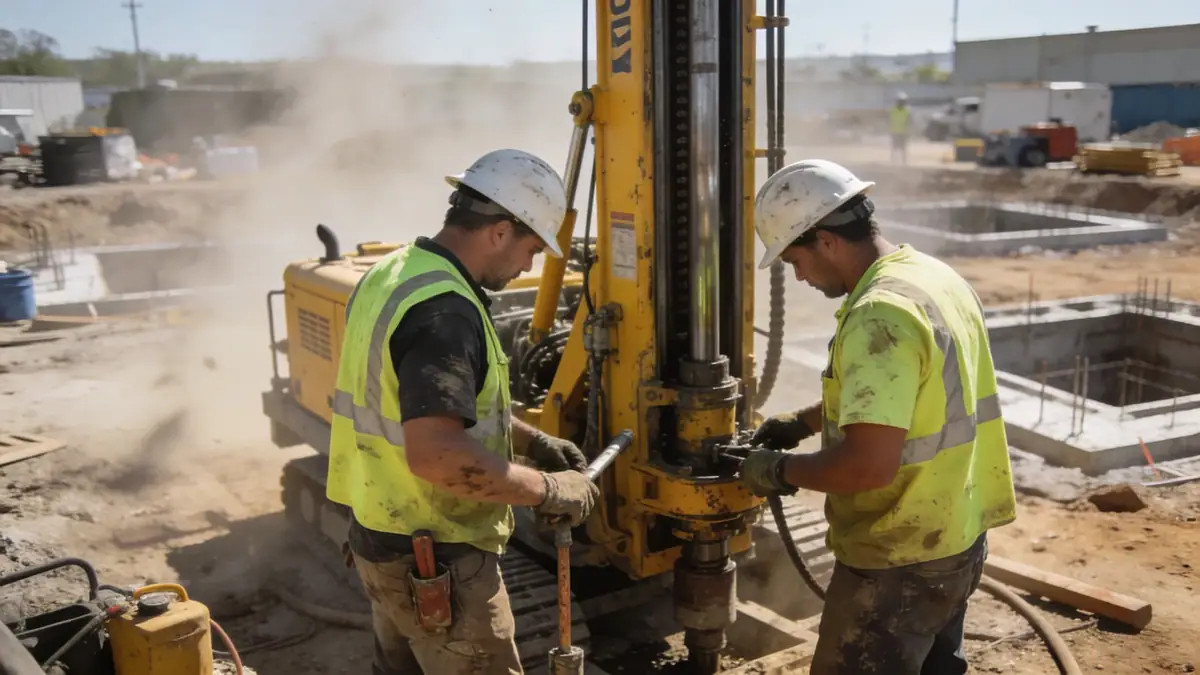
Our geotechnical methodology in Cary follows a phased approach tailored to the Piedmont geology. We begin with a review of existing geologic maps and records, followed by a field exploration program that includes standard penetration testing (SPT) per ASTM D1586 and soil sampling. Typical SPT borings extend to depths of 8 to 15 meters for residential projects, with N60 values recorded at 1.5-meter intervals. Laboratory testing on recovered samples—such as soil mechanics laboratory analyses for grain size, Atterberg limits, and compaction—provides data for bearing capacity and settlement estimates. This systematic approach ensures that our recommendations are grounded in site-specific evidence.
Reference Technical Parameters
| Parameter | Reference Value |
|---|---|
| Predominant soil type | Residual silty sands and clays (Piedmont saprolite) |
| Maximum seismic acceleration (PGA) | 0.15–0.20 g (ASCE 7 Site Class C/D) |
| Typical groundwater level | 3–8 meters below ground surface, seasonal |
| Bedrock depth | 5–20 meters (weathered gneiss/schist) |
| Typical N60 range | 10–30 blows/ft in saprolite |
Local Considerations — Cary North Carolina
Cary’s geology is part of the Piedmont physiographic province, underlain by weathered igneous and metamorphic rocks. The residual soils vary with topography: ridge tops have thinner soils, while valleys accumulate deeper colluvium. Groundwater is generally shallow in low-lying areas, requiring dewatering considerations for excavations. Seismic hazard is moderate, with peak ground accelerations of 0.15–0.20 g per ASCE 7-16. Our team has addressed common issues such as expansive clays in certain neighborhoods and the need for slope stability analyses on steeper lots. For projects requiring broader regional context, we also collaborate with our geotechnical engineering en Philadelphia office to leverage cross-regional expertise.
Request a Quote
Our team reviews your project and issues an initial report at no cost.
Or write us directly at [email protected]
Services in Cary North Carolina
Applicable Standards
- ASTM D1586 (Standard Penetration Test)
- ASCE 7-16 (Minimum Design Loads for Buildings)
- North Carolina Building Code (IBC-based)
- ASTM D2487 (Unified Soil Classification System)
Frequently Asked Questions
What types of soil are commonly found in Cary, North Carolina?
Cary's soils are primarily residual silty sands and clays derived from weathered gneiss and schist of the Piedmont. These soils often contain mica and can be highly variable over short distances, requiring careful site-specific investigation.
Is a geotechnical study required for building in Cary?
Yes, for most commercial and multi-family residential projects, the North Carolina Building Code mandates a geotechnical investigation. Single-family homes may require it if on steep slopes or in areas with known soil issues. Our team can determine the necessary scope.
How does seismic design apply to Cary structures?
Cary is in Seismic Design Category C per ASCE 7-16, with a spectral acceleration of about 0.15–0.20 g. Proper site classification and liquefaction assessment are needed for foundations. We incorporate these factors into our recommendations.