Methodology
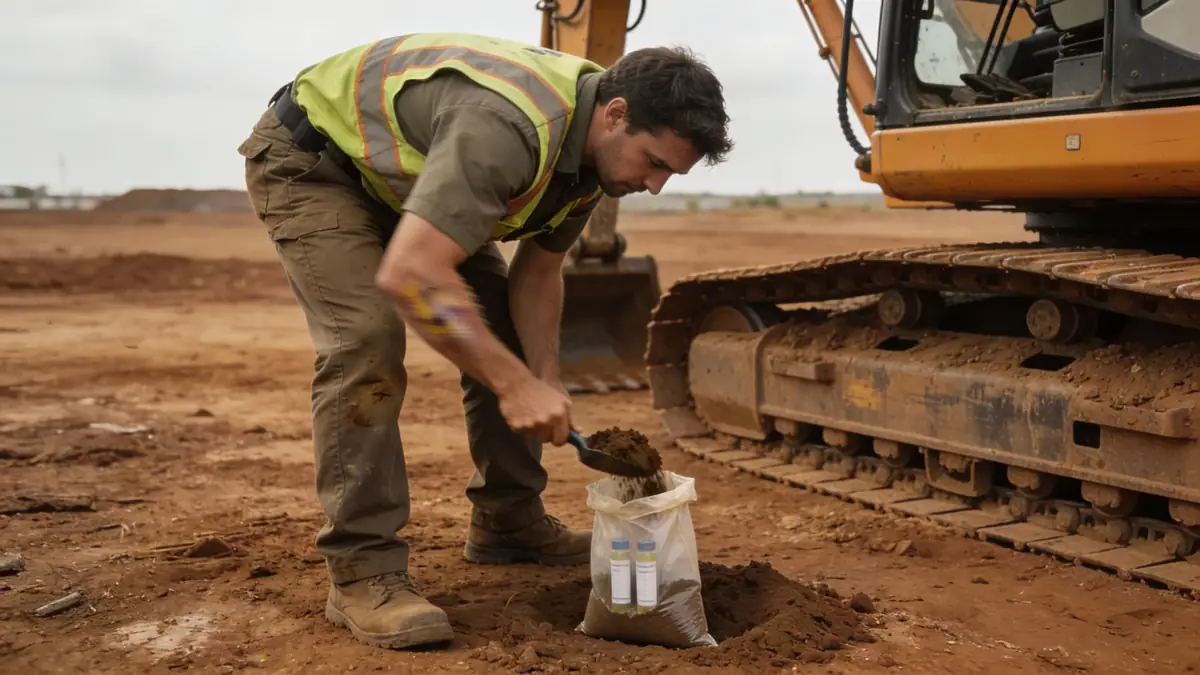
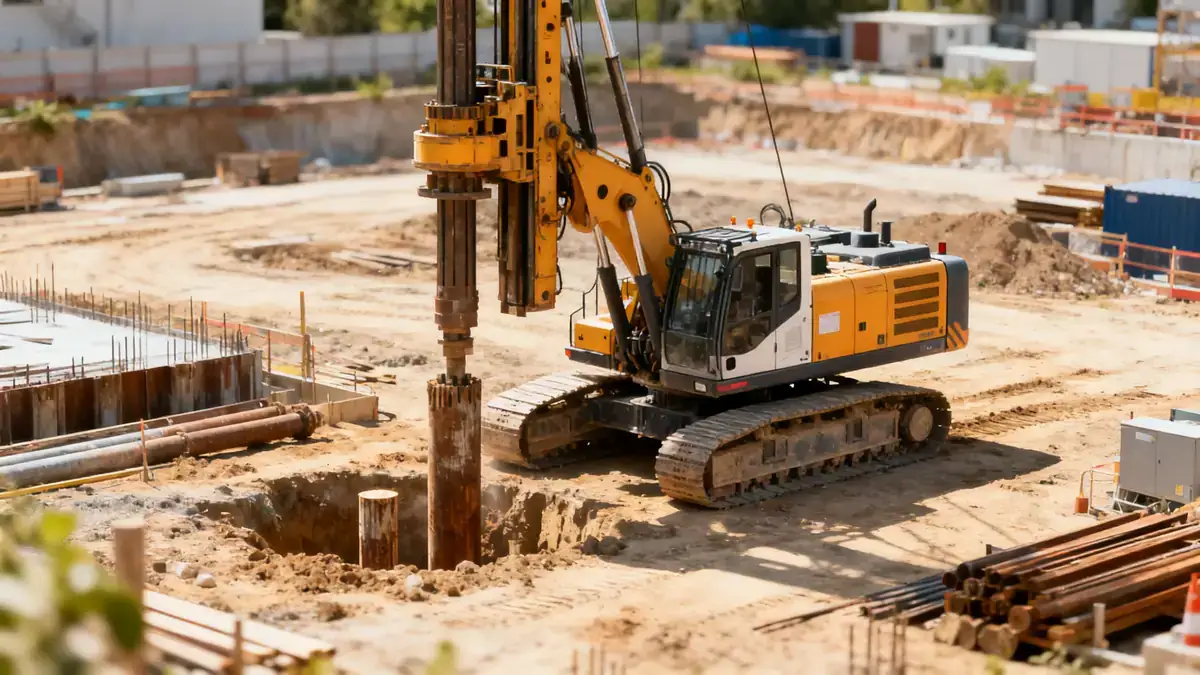
Our approach to geotechnical engineering in Casper Wyoming follows a systematic framework tailored to the region's sedimentary geology. We initiate each project with a comprehensive review of available geologic maps and historical borehole logs, then deploy field investigation programs optimized for local conditions. Standard penetration tests (SPT) are performed in accordance with ASTM D1586, with sampling intervals typically every 1.0 to 1.5 meters to capture stratigraphic transitions. For detailed profiling, we incorporate spt boring techniques to assess soil density and strength. Laboratory testing includes classification, compaction, and strength parameters, enabling us to develop site-specific geotechnical models. This integrated methodology ensures that our recommendations address both static and seismic loading demands, providing clients with a robust foundation for design decisions.
Reference Technical Parameters
| Parameter | Reference Value |
|---|---|
| Predominant soil type | Alluvial sands, gravels, claystone, sandstone |
| Maximum seismic acceleration (PGA) | 0.10g to 0.20g (ASCE 7-16 Site Class C/D) |
| Typical groundwater level | 3 to 8 meters below ground surface |
| Bedrock depth | 10 to 30 meters (sandstone/shale) |
| Typical N60 range | 10 to 40 blows per foot (sand/gravel) |
Local Considerations — Casper Wyoming
Casper's geology is shaped by the North Platte River valley and surrounding uplifts. Five key factors guide our work: (1) Alluvial terraces along the river present variable bearing capacities, requiring careful SPT profiling. (2) Expansive claystone units, such as the Lewis Shale, demand swell-consolidation testing for slab-on-grade designs. (3) Groundwater levels fluctuate seasonally, typically 3–8 m deep, influencing excavation dewatering. (4) Seismic hazard is moderate, with PGA values up to 0.20g per ASCE 7, necessitating site-specific response analysis. (5) Older neighborhoods may have undocumented fill, requiring subsurface exploration to avoid differential settlement. Our team leverages this understanding to deliver targeted recommendations. For broader regional context, refer to our geotechnical engineering in Denver hub. Additionally, our soil mechanics laboratory provides essential data for characterizing these soils.
Request a Quote
Our team reviews your project and issues an initial report at no cost.
Or write us directly at [email protected]
Services in Casper Wyoming
Applicable Standards
- ASTM D1586 (Standard Penetration Test)
- ASCE 7-16 (Minimum Design Loads and Associated Criteria for Buildings and Other Structures)
- IBC 2021 (International Building Code)
- Wyoming Department of Transportation Standard Specifications
- ASTM D2487 (Classification of Soils for Engineering Purposes)
Frequently Asked Questions
What types of soils are commonly found in Casper, Wyoming?
Casper's subsurface typically consists of alluvial sands and gravels near the North Platte River, underlain by claystone and sandstone bedrock. Expansive clays are present in some areas, requiring specialized testing to assess shrink-swell potential for foundation design.
What seismic design requirements apply to Casper?
Casper falls under Seismic Design Category C per ASCE 7-16, with peak ground accelerations ranging from 0.10g to 0.20g. Site-specific response spectra are recommended for critical structures, and soil liquefaction potential should be evaluated in saturated sand layers.
Are geotechnical studies mandatory for construction in Casper?
While Wyoming state building codes do not mandate geotechnical investigations for all projects, local jurisdictions may require them for commercial buildings or subdivisions. Lenders and insurers often require a geotechnical report to mitigate risk associated with variable soil conditions.