Methodology
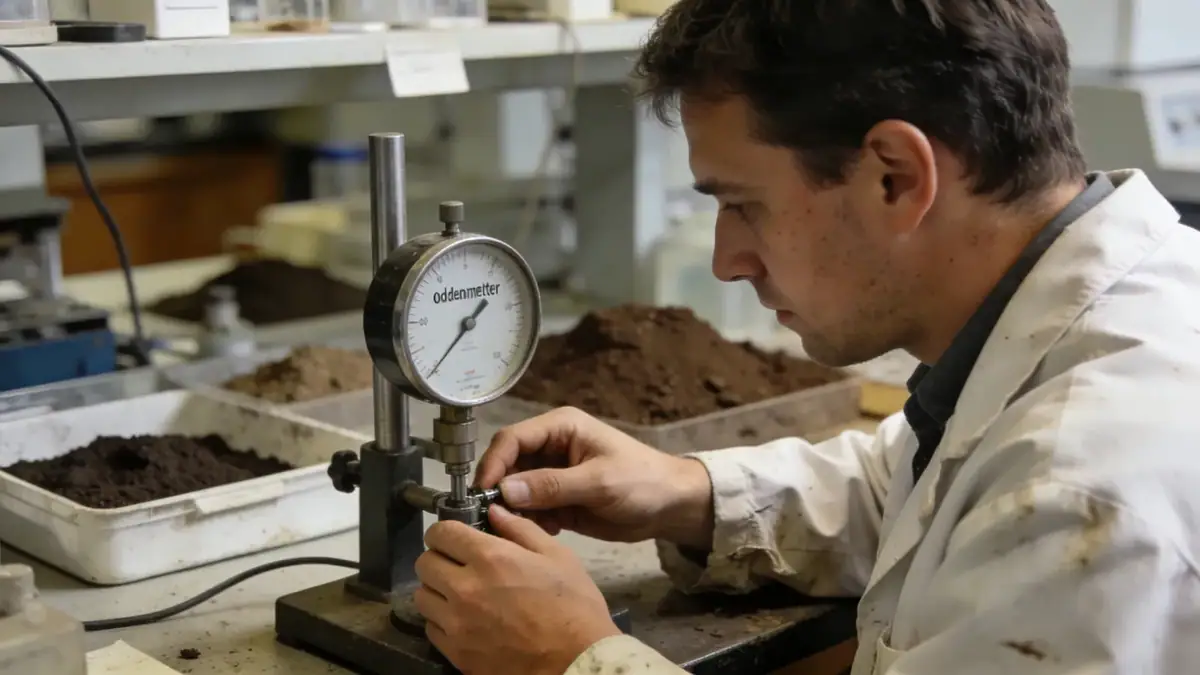
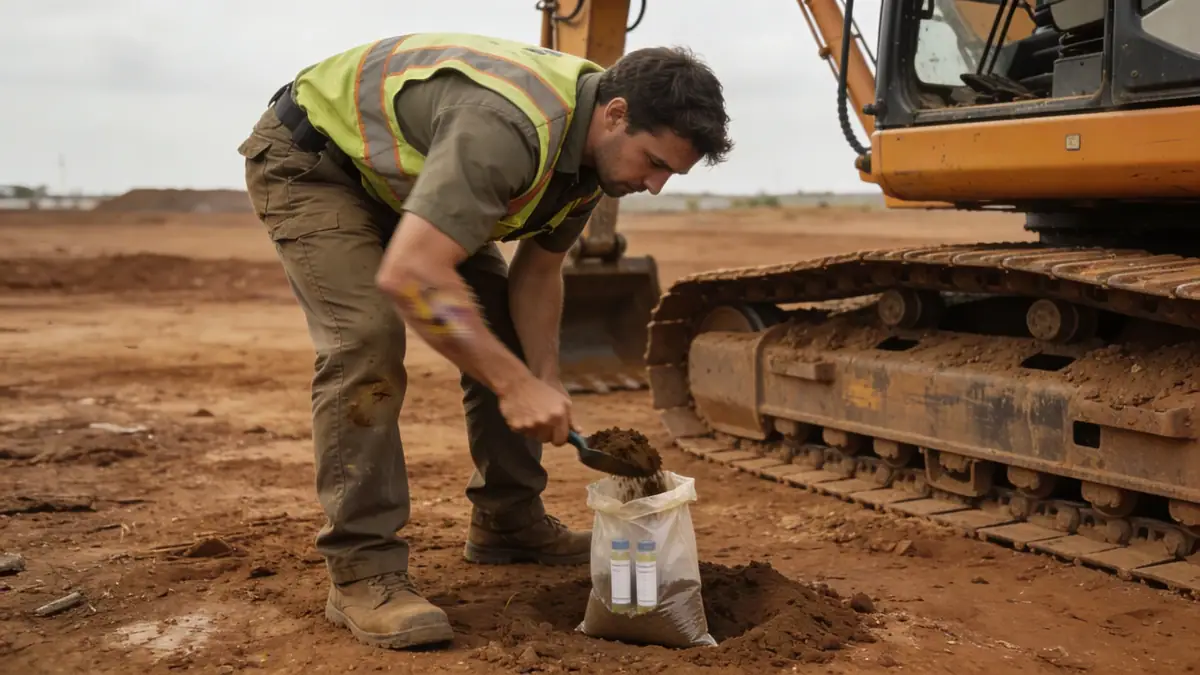
Our approach to geotechnical engineering in Chattanooga begins with a detailed review of existing geological maps and historical data to identify potential hazards. We then conduct field investigations, including standard penetration testing per ASTM D1586, to assess soil strength and stratigraphy. Laboratory testing on undisturbed samples provides parameters for settlement and bearing capacity analyses. Our methodology integrates site-specific seismic evaluations in accordance with ASCE 7, ensuring designs comply with local building codes. For complex projects, we employ advanced numerical modeling to simulate slope stability and foundation performance. This systematic process allows us to deliver accurate, defensible recommendations for every project in Chattanooga.
Reference Technical Parameters
| Parameter | Reference Value |
|---|---|
| Predominant soil type | Residual clay and weathered shale over limestone bedrock |
| Maximum seismic acceleration (PGA) | 0.15g (ASCE 7-16, Site Class C) |
| Typical groundwater level | 10–25 ft below grade, varies seasonally |
| Bedrock depth | 15–50 ft, depending on location |
| Typical N60 range | 8–30 blows/ft in residual soils |
Local Considerations — Chattanooga
Chattanooga's geology is dominated by the Cumberland Plateau and Ridge-and-Valley provinces, featuring residual clays over folded limestone and shale. The shallow bedrock in downtown areas contrasts with deeper soil profiles in the suburbs, requiring distinct foundation approaches. Seismic risk is moderate, with peak ground accelerations up to 0.15g per ASCE 7, influencing slope stability and retaining wall design. Our team integrates these factors into every geotechnical study. For broader regional context, see our geotechnical engineering in Atlanta page, which addresses similar Piedmont geology. Additionally, we utilize soil mechanics laboratory testing to characterize local soil behavior accurately.
Request a Quote
Our team reviews your project and issues an initial report at no cost.
Or write us directly at [email protected]
Services in Chattanooga
Applicable Standards
- ASTM D1586
- ASCE 7-16
- IBC 2021
- Chattanooga Building Code
Frequently Asked Questions
What types of soil are commonly found in Chattanooga?
Chattanooga typically has residual clays derived from weathering of limestone and shale, often with shallow bedrock. These soils can be highly variable, with plasticity indices ranging from 20 to 50. Proper classification per the Unified Soil Classification System is essential for foundation design.
Does Chattanooga have specific seismic design requirements?
Yes, Chattanooga is in Seismic Design Category B per ASCE 7, with a mapped peak ground acceleration of 0.15g. Site-specific response spectra may be required for critical structures. Our geotechnical reports provide seismic parameters to comply with local building codes.
Are geotechnical studies mandatory for construction in Chattanooga?
While not always legally mandated for small residential projects, most commercial and multi-story developments require a geotechnical investigation per the Chattanooga Building Code. Lenders and insurers often require such studies to manage risk associated with soil variability and slope stability.