
Methodology
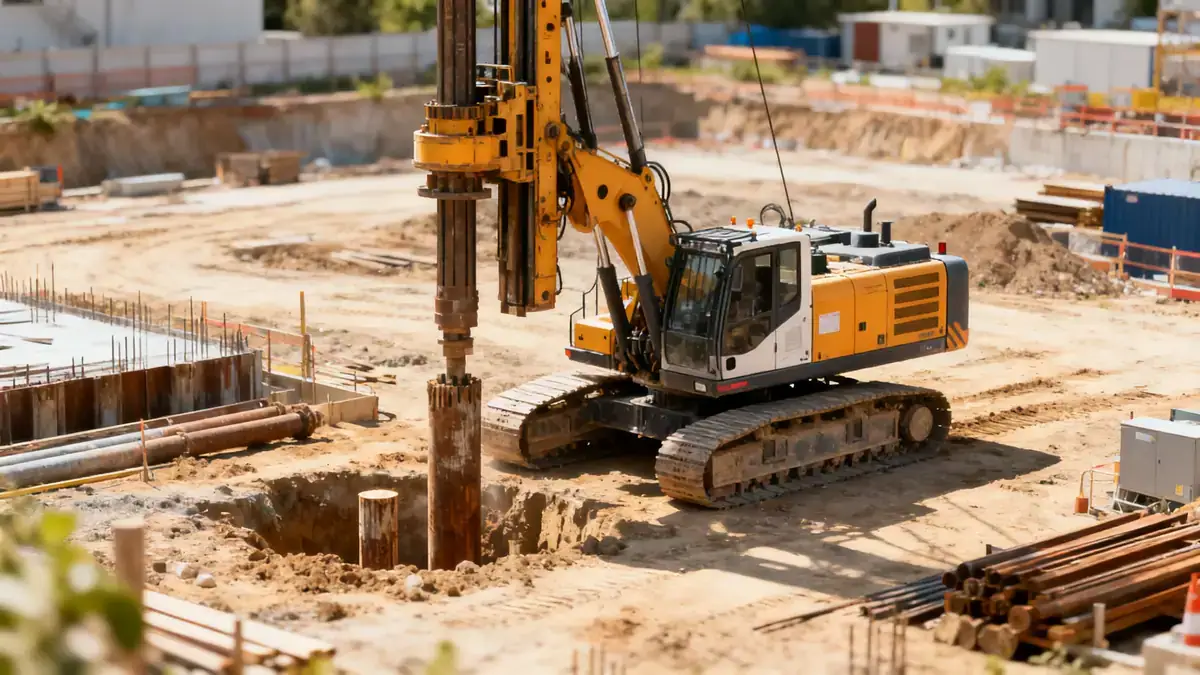
Our firm applies a systematic approach to geotechnical engineering in Cheyenne, beginning with a review of existing geologic maps and subsurface data. We then conduct field investigations tailored to the project scale, including spt boring to obtain disturbed soil samples and measure N-values per ASTM D1586. Laboratory testing follows, classifying soils according to the Unified Soil Classification System (USCS) and determining strength parameters through direct shear tests (ASTM D3080) and consolidation tests (ASTM D2435). Our methodology integrates these results with site-specific seismic considerations per ASCE 7-22 to develop geotechnical recommendations that support safe and economical foundation design.
Reference Technical Parameters
| Parameter | Reference Value |
|---|---|
| Predominant soil type | Sandy clay and silty sand (CL, SC) |
| Maximum seismic acceleration (PGA) | 0.10g (MCE, Site Class D) |
| Typical groundwater level | >10 m below ground surface |
| Bedrock depth | 10–30 m (Laramie Formation) |
| Typical N60 range (sandy soils) | 15–35 blows/ft |
Local Considerations — Cheyenne
Cheyenne's geology presents distinct challenges for geotechnical engineering. The Laramie Formation consists of interbedded sandstone, shale, and claystone, which can exhibit significant variability in strength and compressibility. Expansive clay layers are common, requiring careful evaluation of swell potential for slab-on-grade foundations. Local codes reference the Wyoming State Building Code, which adopts the International Building Code (IBC) with amendments. For projects requiring advanced analysis, our team leverages capabilities from our regional hub in geotechnical engineering en Denver. Additionally, soil mechanics laboratory testing is essential to characterize the collapsible and expansive behavior of native soils, particularly in areas near Crow Creek where alluvial deposits may be loose.
Request a Quote
Our team reviews your project and issues an initial report at no cost.
Or write us directly at [email protected]
Services in Cheyenne
Applicable Standards
- ASTM D1586
- ASCE 7-22
- IBC 2021 (Wyoming amendments)
- ASTM D3080
- ASTM D2435
Frequently Asked Questions
What are the typical soil conditions for foundation design in Cheyenne?
Soils in Cheyenne commonly consist of sandy clay, silty sand, and claystone bedrock at depth. Expansive clays are present, requiring swell testing. Groundwater is generally deep, reducing dewatering needs. Site-specific borings per ASTM D1586 are recommended to confirm conditions.
Is seismic design required for structures in Cheyenne?
Yes, Cheyenne is in seismic design category B per ASCE 7-22, with low to moderate hazard. Design spectral accelerations are moderate (Ss ~0.20g), and site class effects must be considered. Our analyses follow IBC provisions to ensure compliance.
Are geotechnical investigations mandatory for building permits in Cheyenne?
The Wyoming State Building Code requires geotechnical reports for structures with shallow foundations on expansive or collapsible soils, and for all seismic design categories. Local enforcement varies, but our firm recommends investigations for most commercial and residential projects.