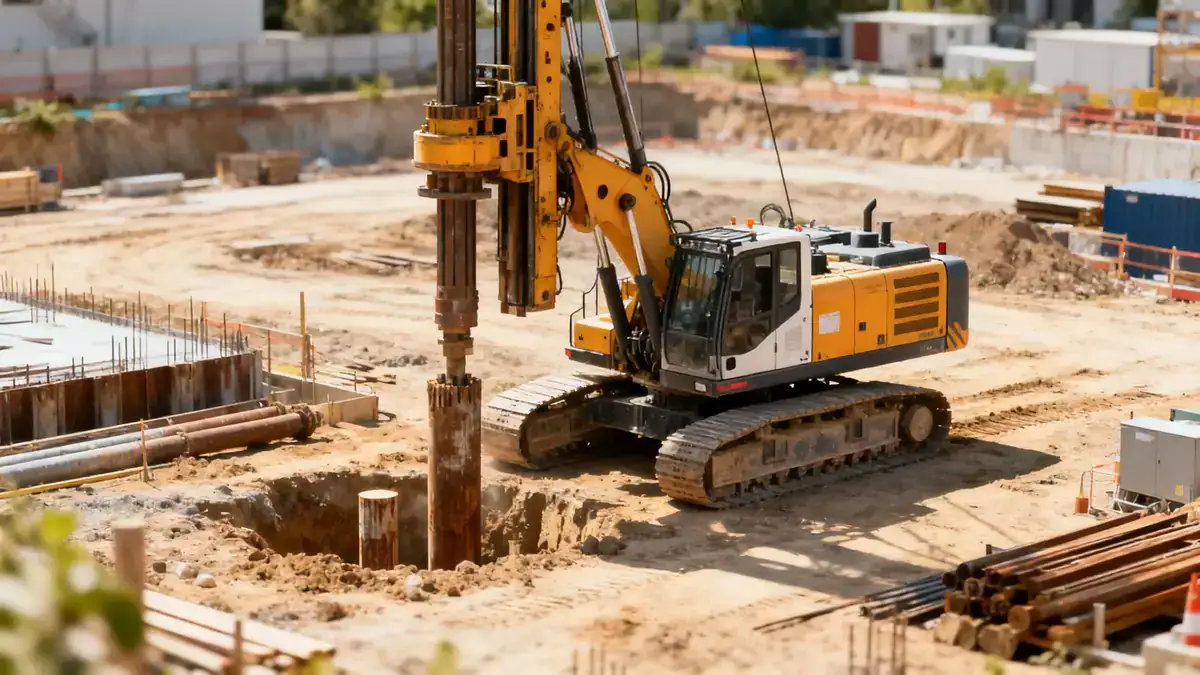
Methodology
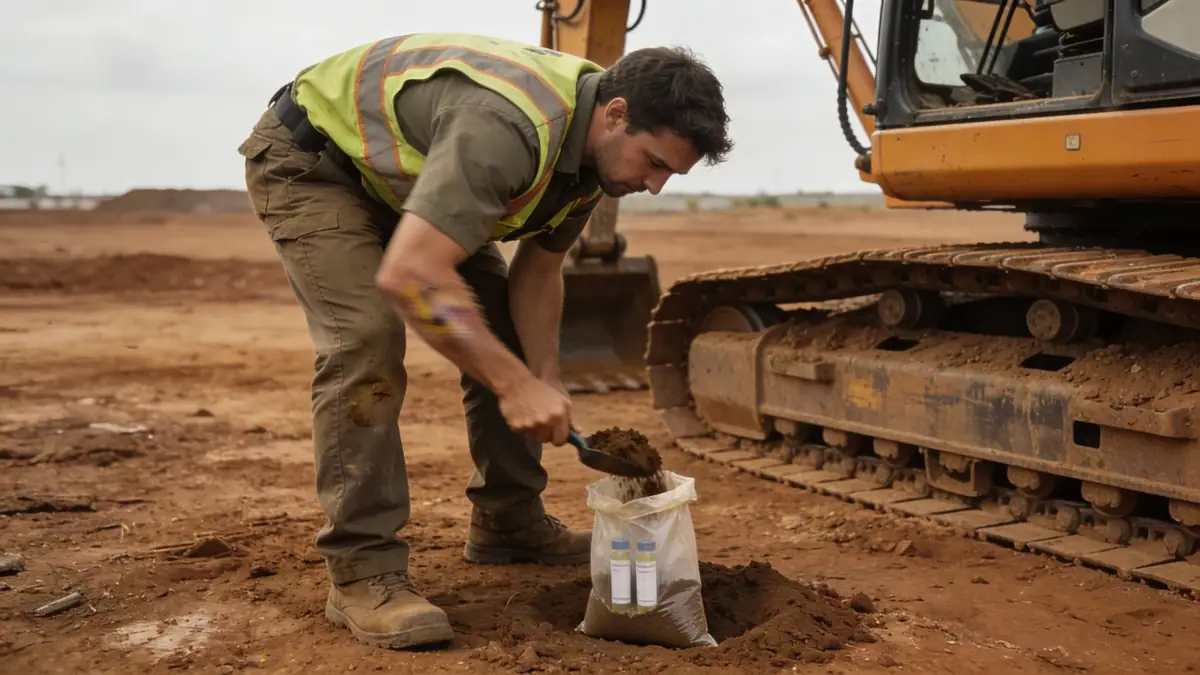
Our methodology for projects in Cincinnati integrates field investigations, including SPT boring and Cone Penetration Testing (CPT), with advanced laboratory testing following ASTM D6913 and D7928. We analyze soil stratigraphy, groundwater conditions, and engineering properties to develop site-specific recommendations. Our approach emphasizes risk mitigation through rigorous data interpretation and compliance with local building codes, ensuring reliable foundation and earthwork designs.
Reference Technical Parameters
| Parameter | Reference Value |
|---|---|
| Predominant soil type | Glacial till and alluvial deposits (clay, silt, sand, gravel) |
| Maximum seismic acceleration (PGA) | 0.10g to 0.15g (ASCE 7-16, Site Class D) |
| Typical groundwater level | 3 to 8 meters below ground surface |
| Bedrock depth | 10 to 30 meters (Ordovician limestone/shale) |
| Typical N60 range | 5 to 30 blows/0.3m (variable with soil type) |
Local Considerations — Cincinnati
Cincinnati's geology features glacial till over bedrock, with localized alluvial deposits along the Ohio River. The city's hilly terrain requires careful slope stability analysis for cut-and-fill operations. Seismic design follows ASCE 7-16, with peak ground accelerations up to 0.15g. Our team is well-versed in local regulations and has successfully supported numerous projects, including soil mechanics laboratory studies for complex foundation designs. For broader regional expertise, we also offer geotechnical engineering in Chicago services.
Request a Quote
Our team reviews your project and issues an initial report at no cost.
Or write us directly at [email protected]
Services in Cincinnati
Applicable Standards
- ASTM D1586
- ASCE 7-16
- International Building Code (IBC) 2021
- Ohio Building Code (OBC) based on IBC
Frequently Asked Questions
What are the typical soil conditions in Cincinnati?
Cincinnati's soils are predominantly glacial till, composed of clay, silt, sand, and gravel, with alluvial deposits near the Ohio River. Bedrock consists of Ordovician limestone and shale at depths of 10 to 30 meters. Groundwater levels typically range from 3 to 8 meters below the surface.
What seismic design criteria apply in Cincinnati?
Seismic design in Cincinnati follows ASCE 7-16, with peak ground accelerations (PGA) between 0.10g and 0.15g for Site Class D. The city is in Seismic Design Category B or C, requiring moderate seismic detailing per the International Building Code.
Are geotechnical studies mandatory for construction in Cincinnati?
Yes, for most commercial and multi-family residential projects, the Ohio Building Code requires a geotechnical investigation to determine soil bearing capacity, settlement potential, and seismic site class. Single-family homes may require studies only in areas with known soil issues or steep slopes.