Methodology

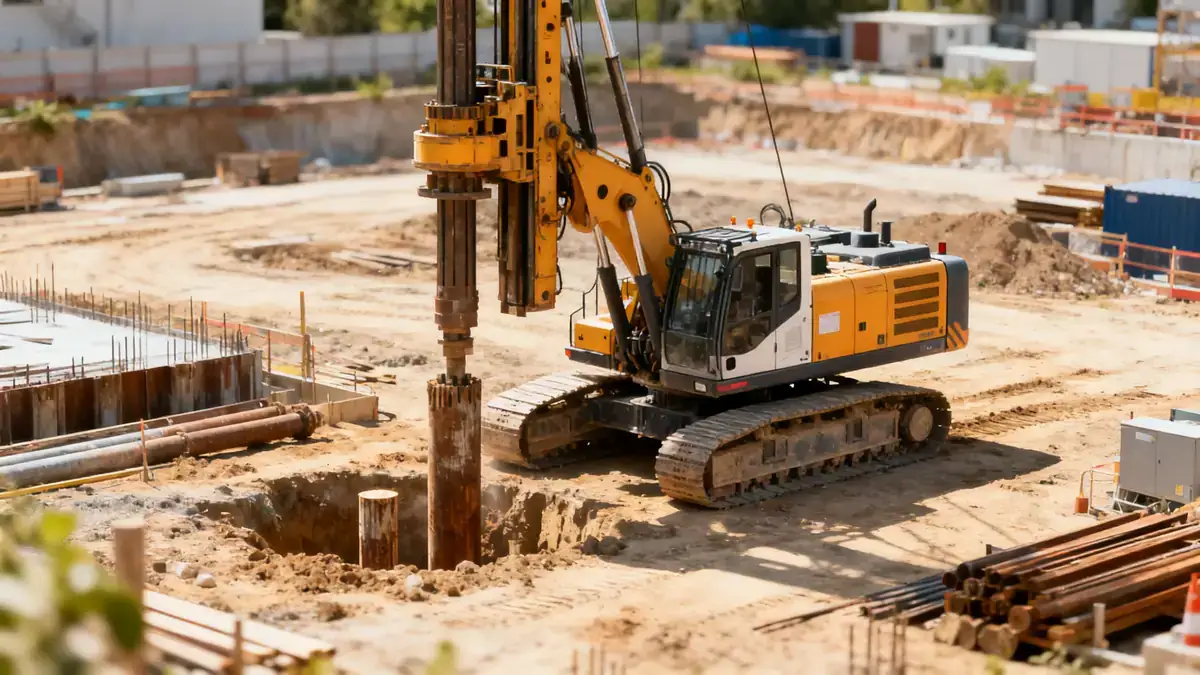
Our methodology for geotechnical engineering in Colorado Springs follows a systematic approach that integrates field exploration, laboratory testing, and engineering analysis. We begin with a review of existing geological maps and previous site data, followed by a subsurface exploration program that typically includes spt boring at multiple locations to characterize soil stratigraphy and strength. Standard Penetration Tests (SPT) are conducted in accordance with ASTM D1586, providing N-values that correlate with soil density and bearing capacity. Groundwater levels are monitored during and after drilling. Samples are then analyzed in our soil mechanics laboratory for index properties, strength, and compressibility. The results inform our engineering calculations for foundation design, slope stability, and seismic site classification.
Reference Technical Parameters
| Parameter | Reference Value |
|---|---|
| Predominant Soil Type | Clayey sands (SC) and lean clays (CL) with gravels |
| Maximum Seismic Acceleration (PGA) | 0.15–0.25 g (per ASCE 7-16) |
| Typical Groundwater Level | 10–30 ft below grade (variable) |
| Bedrock Depth | 20–80 ft (Pierre Shale / Denver Formation) |
| Typical N60 Range | 5–30 blows/ft (cohesive soils) |
Local Considerations — Colorado Springs
Colorado Springs presents unique geotechnical challenges due to its location at the base of the Rocky Mountains. The city is underlain by alluvial fans, terrace deposits, and bedrock formations such as the Pierre Shale and Denver Formation. Expansive soils are common in the eastern plains, requiring careful moisture control and foundation design. Seismic hazard is moderate, with peak ground accelerations up to 0.25 g. Groundwater levels vary significantly between the western foothills (shallow) and eastern areas (deep). Our team has extensive experience addressing these conditions, including slope stability issues near the Palmer Divide. For broader regional context, we coordinate with our geotechnical engineering en Denver office to ensure consistent practices across projects.
Request a Quote
Our team reviews your project and issues an initial report at no cost.
Or write us directly at [email protected]
Services in Colorado Springs
Applicable Standards
- ASTM D1586 – Standard Penetration Test
- ASCE 7 – Minimum Design Loads for Buildings
- IBC 2021 – International Building Code
- City of Colorado Springs Stormwater Criteria Manual
Frequently Asked Questions
What types of soil are commonly found in Colorado Springs?
The predominant soils include clayey sands (SC), lean clays (CL), and gravelly soils from alluvial deposits. Expansive clays are present in eastern areas, while western foothills have shallow bedrock and colluvium. Proper identification through laboratory testing is essential for foundation design.
Is seismic design required in Colorado Springs?
Yes, Colorado Springs is in Seismic Design Category B to C per IBC 2021, with mapped spectral accelerations (Ss up to 0.5 g). Site-specific response spectra may be required for critical structures. Our team evaluates site amplification effects based on soil stiffness and depth to bedrock.
Are geotechnical investigations mandatory for residential construction?
While not always required by code for single-family homes, we strongly recommend a geotechnical investigation for any structure on expansive soils, slopes, or fill. Many local lenders and homebuilders require a soils report for warranty purposes and to mitigate differential settlement risks.