Methodology
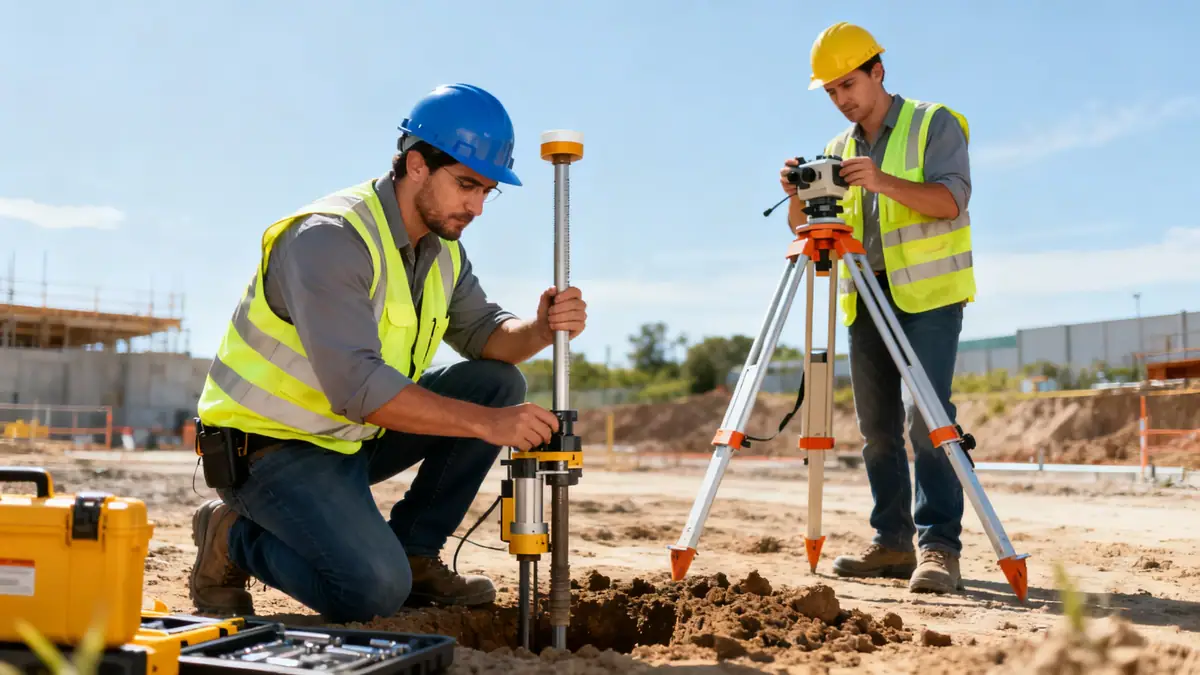
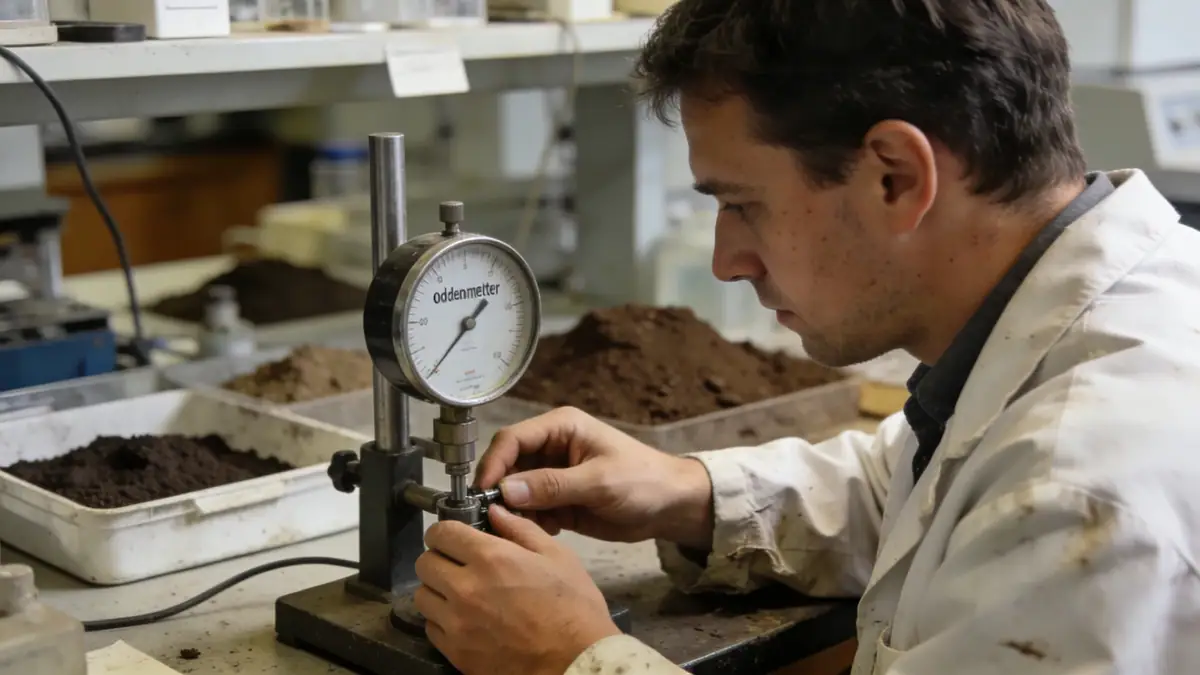
Our methodology for geotechnical engineering in Columbia, SC, integrates standard penetration testing (SPT) per ASTM D1586, with sampling intervals every 1.0–1.5 m to depths of 8–30 m depending on project scale. We also employ cone penetration testing (CPT) for continuous soil profiling. All field data is correlated with laboratory tests from our soil mechanics laboratory to classify soils and determine strength parameters. This dual approach ensures reliable bearing capacity and settlement predictions for foundations and earthworks.
Reference Technical Parameters
| Parameter | Reference Value |
|---|---|
| Predominant soil type | Sands, silts, clays (Coastal Plain deposits) |
| Maximum seismic acceleration (PGA) | 0.2g (ASCE 7-16, Site Class D) |
| Typical groundwater level | 1.5–3 m below ground surface |
| Bedrock depth | Variable, typically 10–30 m to Cooper Marl |
| Typical N60 range | 5–30 blows/0.3 m (SPT) |
Local Considerations — Columbia South Carolina
Columbia's geology presents key challenges: shallow groundwater requires dewatering or waterproofing for excavations; loose sands demand compaction or deep foundations; and seismic site effects must be assessed per ASCE 7-16. Our team has addressed these in diverse projects, from downtown high-rises to suburban subdivisions. The contrast between the older Congaree River terraces and newer fill areas necessitates site-specific studies. We also coordinate with local permitting agencies, referencing our work from geotechnical engineering en Atlanta to ensure consistency across regional projects.
Request a Quote
Our team reviews your project and issues an initial report at no cost.
Or write us directly at [email protected]
Services in Columbia South Carolina
Applicable Standards
- ASTM D1586 (Standard Penetration Test)
- ASCE 7-16 (Minimum Design Loads for Buildings)
- IBC 2021 (International Building Code)
- SCDHEC (South Carolina Department of Health and Environmental Control) regulations
Frequently Asked Questions
What are the typical soil conditions in Columbia, SC?
Columbia's soils are mostly Coastal Plain sands, silts, and clays, often with shallow groundwater 1.5–3 m deep. Bedrock (Cooper Marl) is typically 10–30 m deep. These conditions require careful evaluation for foundation design and drainage.
Is seismic design required in Columbia, SC?
Yes, Columbia is in Seismic Design Category C per ASCE 7-16, with a PGA of 0.2g. Site-specific geotechnical studies must address liquefaction potential and soil amplification for structures in Risk Category II or higher.
Are geotechnical studies mandatory for new construction in Columbia?
While local codes may not explicitly require them for all projects, most lenders and engineers mandate geotechnical reports for structural design. Our studies ensure compliance with IBC 2021 and mitigate risks from settlement or seismic events.