Methodology
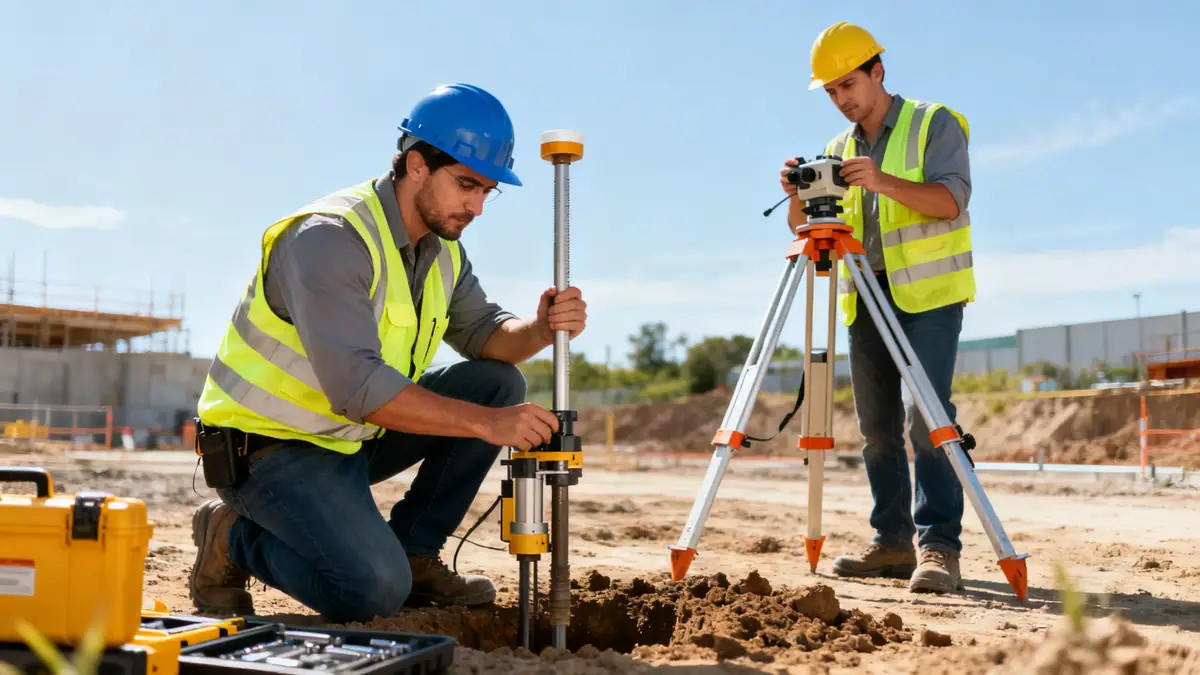
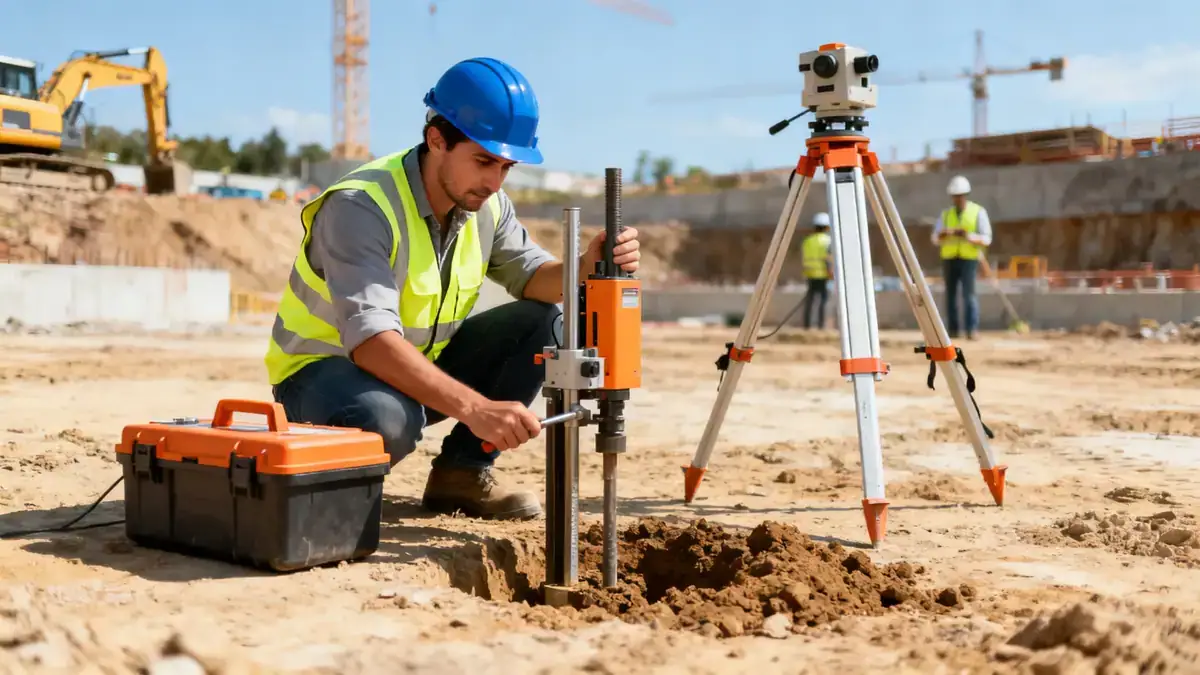
Our geotechnical engineering methodology in Columbus Georgia begins with a comprehensive review of existing geological data and site history. We then conduct spt boring to obtain disturbed and undisturbed soil samples at regular intervals, typically every 1.0 to 1.5 meters, following ASTM D1586. These samples are transported to our accredited soil mechanics laboratory for classification, strength, and consolidation testing. The resulting data informs our analysis of bearing capacity, settlement potential, and seismic site classification, allowing us to provide foundation recommendations that align with local building codes and project-specific demands.
Reference Technical Parameters
| Parameter | Reference Value |
|---|---|
| Predominant Soil Type | Silty sands and sandy clays (Piedmont residual soils) |
| Maximum Seismic Acceleration (PGA) | 0.14g (ASCE 7-16, Site Class C) |
| Typical Groundwater Level | 3 to 8 meters below grade (varies seasonally) |
| Bedrock Depth | 5 to 15 meters (weathered gneiss/schist) |
| Typical N60 Range (SPT) | 8 to 30 blows per 0.3m (cohesive soils) |
Local Considerations — Columbus Georgia
Columbus Georgia lies within the Piedmont physiographic province, underlain by weathered crystalline rocks such as gneiss and schist. The residual soils derived from these parent materials are typically silty sands and sandy clays, with varying degrees of cohesion. Groundwater levels fluctuate significantly with seasonal precipitation, often perched above less permeable saprolite layers. Seismic hazard is moderate, with a peak ground acceleration of 0.14g per ASCE 7-16, requiring careful site classification per Chapter 20. Our firm's soil mechanics laboratory provides essential index and strength testing to characterize these variable conditions. For broader regional support, our main office offers geotechnical engineering services from Atlanta, ensuring access to extensive resources and expertise.
Request a Quote
Our team reviews your project and issues an initial report at no cost.
Or write us directly at [email protected]
Services in Columbus Georgia
Applicable Standards
- ASTM D1586 (Standard Test Method for Standard Penetration Test)
- ASCE 7-16 (Minimum Design Loads and Associated Criteria for Buildings)
- International Building Code (IBC) 2021
- Georgia State Minimum Standard Codes
Frequently Asked Questions
What are the typical soil conditions encountered in Columbus Georgia?
The predominant soils are residual silty sands and sandy clays derived from weathered gneiss and schist. These soils often exhibit variable strength and compressibility, requiring careful field and laboratory testing to determine bearing capacity and settlement characteristics for foundation design.
Is a geotechnical investigation required for new construction in Columbus Georgia?
Yes, the International Building Code (IBC) requires a geotechnical investigation for most new structures to establish soil bearing capacity, seismic site class, and groundwater conditions. Local permitting authorities in Columbus Georgia typically enforce these requirements to ensure public safety.
What seismic design considerations apply in Columbus Georgia?
Columbus Georgia falls within Seismic Design Category B per ASCE 7-16, with a mapped peak ground acceleration (PGA) of 0.14g. Site-specific soil classification (Site Class A through F) is necessary to determine appropriate seismic response coefficients and design spectra.