Methodology
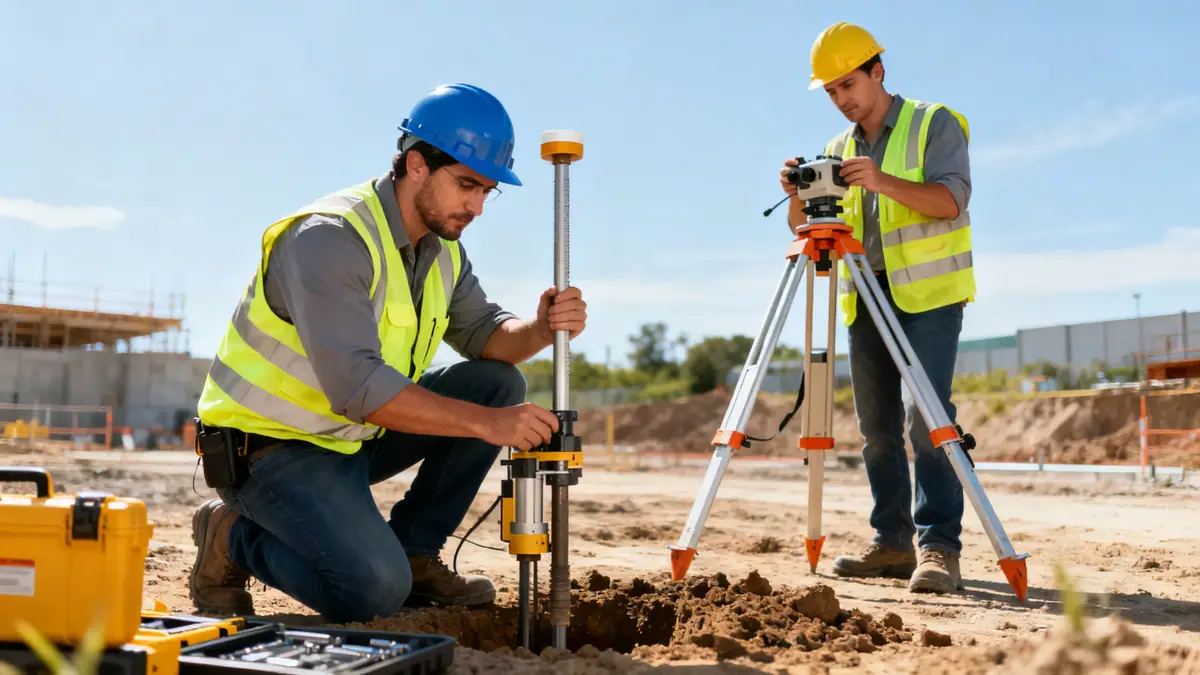
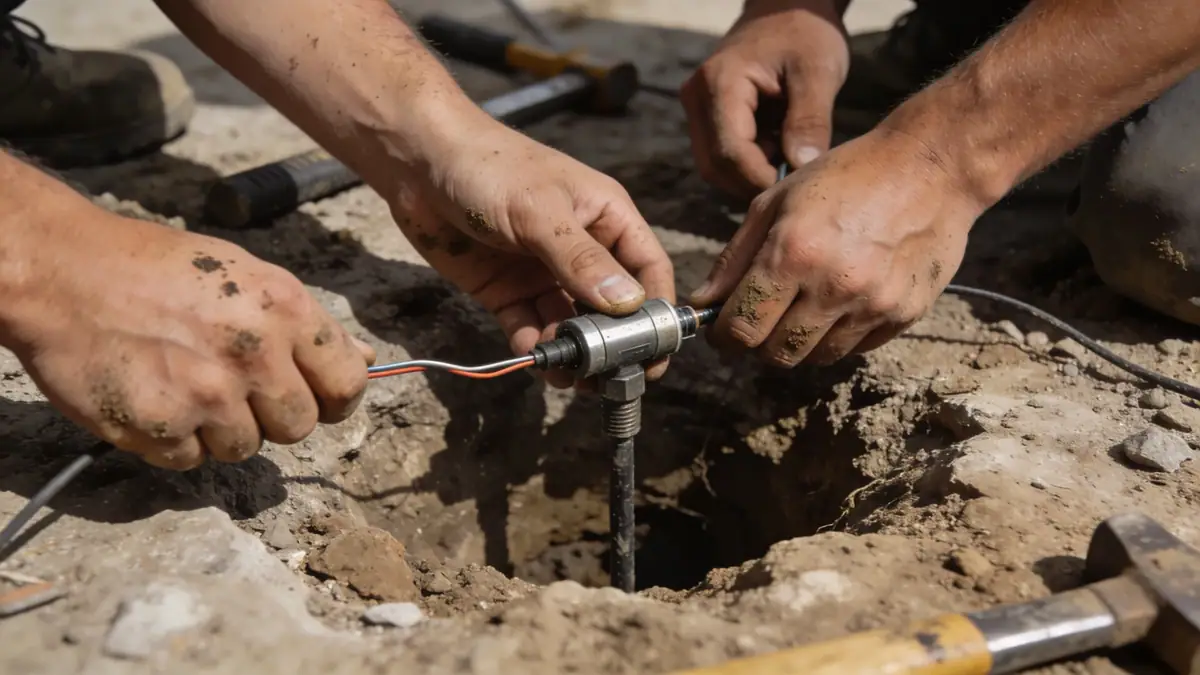
Our approach to geotechnical engineering in Columbus Ohio begins with a detailed review of existing geologic maps and historical site data, followed by a targeted subsurface exploration program. We typically employ a combination of spt boring and cone penetration testing to characterize soil stratigraphy and obtain samples for laboratory analysis. Field investigations are conducted in accordance with ASTM D1586 for standard penetration tests, with sampling intervals adjusted based on site variability. Laboratory testing on retrieved samples includes grain size distribution (ASTM D6913), Atterberg limits (ASTM D4318), and unconfined compressive strength (ASTM D2166) to classify soils and evaluate engineering parameters. For projects requiring seismic considerations, we assess site class per ASCE 7 and perform cyclic triaxial tests when necessary. Our methodology ensures that every investigation delivers a robust geotechnical model tailored to the specific demands of the Columbus market.
Reference Technical Parameters
| Parameter | Reference Value |
|---|---|
| Predominant Soil Type | Glacial till (silty clay to sandy loam) with interbedded lacustrine clays and alluvial sands |
| Maximum Seismic Acceleration (PGA) | 0.15g to 0.25g (ASCE 7, Site Class C or D) |
| Typical Groundwater Level | 3 to 10 meters below ground surface, variable with season and location |
| Bedrock Depth | 30 to 60 meters (Ohio Shale and limestone bedrock) |
| Typical N60 Range | 5 to 30 blows per 0.3m for glacial till; 10 to 50 for sand/gravel lenses |
Local Considerations — Columbus Ohio
Columbus sits atop thick glacial deposits that create variable soil conditions across the metropolitan area. In downtown and older neighborhoods, fill materials and buried utilities complicate subsurface conditions, requiring careful investigation to avoid unexpected settlement. The western suburbs often feature stiff glacial tills with medium to high plasticity, while the eastern areas contain more alluvial soils near the Scioto River, necessitating deeper foundations. Seismic hazard is moderate (PGA up to 0.25g), so site-specific response analysis per ASCE 7 is recommended for critical structures. The presence of shallow groundwater in low-lying zones demands dewatering plans and proper drainage design. Our team integrates these local factors into every project, providing geotechnical engineering in Columbus Ohio that addresses both common and site-specific challenges. For broader regional context, our geotechnical engineering services from Chicago offer additional insights applicable to the Ohio region.
Request a Quote
Our team reviews your project and issues an initial report at no cost.
Or write us directly at [email protected]
Services in Columbus Ohio
Applicable Standards
- ASTM D1586 (Standard Penetration Test)
- ASCE 7 (Minimum Design Loads for Buildings and Other Structures)
- Ohio Building Code (OBC, based on IBC)
- ASTM D4318 (Atterberg Limits)
- ASTM D6913 (Particle Size Distribution)
Frequently Asked Questions
What are the typical soil types encountered in Columbus, Ohio?
The predominant soils in Columbus are glacial tills, which consist of silty clays with varying amounts of sand and gravel. Lacustrine clays and alluvial sands are also present near rivers. These soils exhibit moderate to high plasticity and can be prone to shrink-swell behavior, requiring careful evaluation for foundation design.
Is seismic design required for structures in Columbus?
Yes, the Ohio Building Code adopts ASCE 7, which assigns a moderate seismic hazard to Columbus (Site Class C or D, PGA up to 0.25g). Seismic design is mandatory for most buildings, and site-specific response analysis may be required for critical facilities or sites with soft soils.
Are geotechnical investigations mandatory for construction in Columbus?
The Ohio Building Code requires a geotechnical investigation for most new construction, especially for structures with shallow foundations, slopes, or retaining walls. Local jurisdictions may have additional requirements. A qualified geotechnical engineer should be engaged early to ensure compliance and safe design.