Methodology
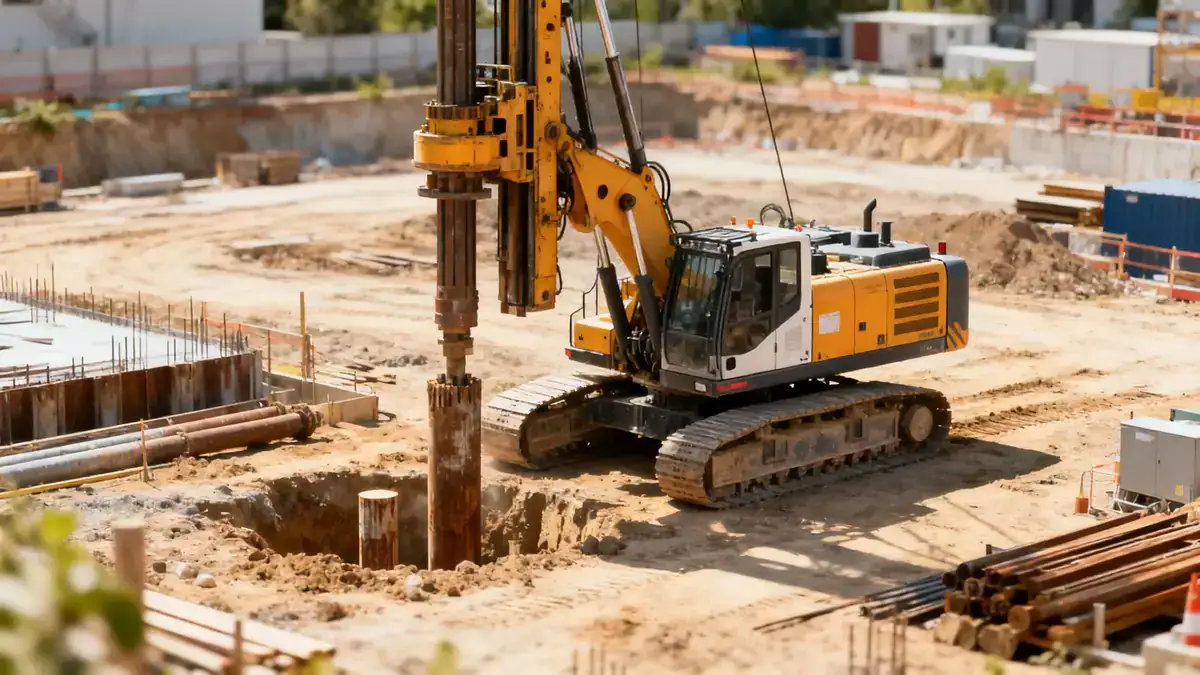
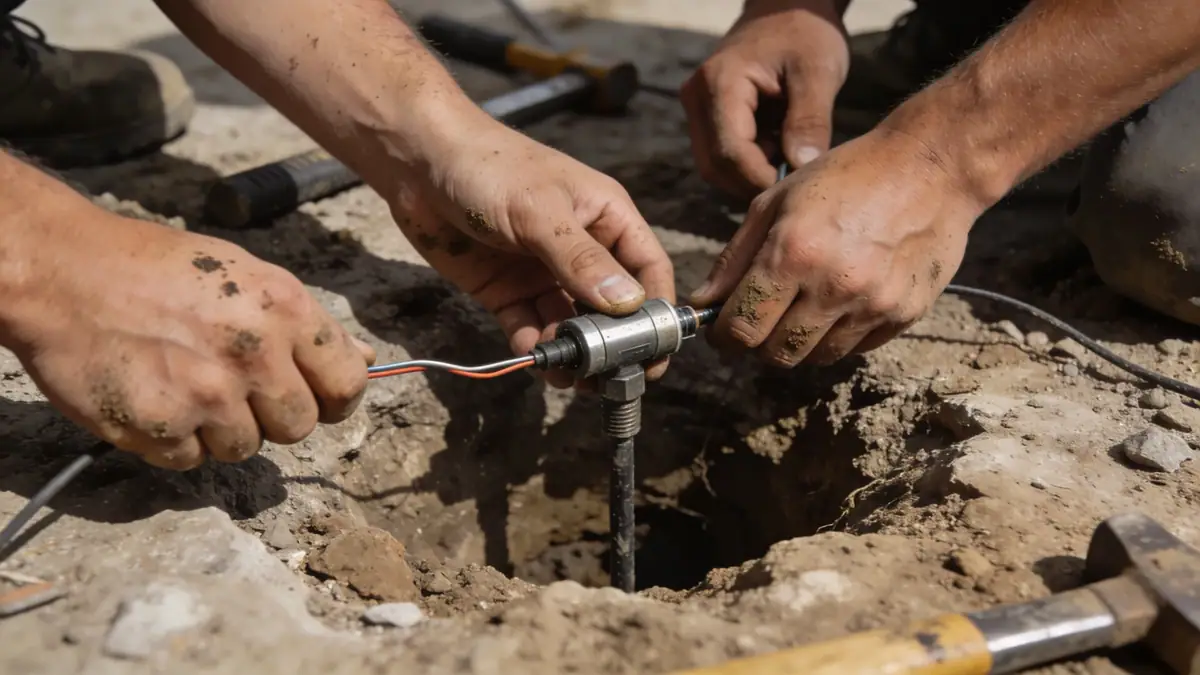
Our methodology for geotechnical engineering in Concord, California, begins with a detailed review of existing geologic maps and boring logs from the California Geological Survey. We then perform site-specific field investigations, including spt boring to obtain soil samples and measure in-situ resistance. These samples are transported to our accredited soil mechanics laboratory for classification, strength, and compressibility testing. For seismic evaluations, we analyze site response using local ground motion records and apply ASCE 7-16 criteria for spectral acceleration. All work adheres to ASTM standards, such as ASTM D1586 for SPT and ASTM D2487 for soil classification. Our integrated approach ensures that foundation designs account for Concord’s variable soil strata and high seismic risk.
Reference Technical Parameters
| Parameter | Reference Value |
|---|---|
| Predominant soil type | Alluvial silty clay and sand with gravel layers |
| Maximum seismic acceleration (PGA) | 0.6g (ASCE 7-16, Site Class D) |
| Typical groundwater level | 3 to 8 meters below ground surface |
| Bedrock depth | Variable; 15 to 30 meters in most areas |
| Typical N60 range | 10 to 30 blows/0.3m (SPT) |
Local Considerations — Concord California
Concord’s geology is dominated by Quaternary alluvial deposits from Mount Diablo and the Sacramento River, resulting in heterogeneous soil profiles with lenses of clay, sand, and gravel. The region is seismically active due to the nearby Concord Fault and Green Valley Fault, with a maximum considered earthquake of Mw 6.8. Groundwater levels fluctuate seasonally, often within 5 meters of the surface, requiring dewatering considerations for excavations. Older neighborhoods near downtown may have undocumented fills or shallow foundations, while newer developments to the east often require deep foundations. Our team integrates these local factors into every project, referencing our broader expertise from geotechnical engineering in Los Angeles for complex seismic designs. We also coordinate with Contra Costa County building officials to ensure compliance with local amendments to California Building Code.
Request a Quote
Our team reviews your project and issues an initial report at no cost.
Or write us directly at [email protected]
Services in Concord California
Applicable Standards
- ASTM D1586 (Standard Penetration Test)
- ASCE 7-16 (Minimum Design Loads for Buildings)
- California Building Code (CBC 2022)
- California Geological Survey Seismic Hazard Zone Maps
Frequently Asked Questions
What are the typical soil conditions in Concord, California?
Concord’s soils are primarily alluvial silty clays and sands, with occasional gravel layers. The area is underlain by the Merced Formation and older Pleistocene deposits. Soil variability is high, so site-specific investigations are recommended for any construction.
What seismic design considerations apply to Concord?
Concord is in Seismic Design Category D per ASCE 7-16, with a peak ground acceleration of 0.6g. The presence of the Concord and Green Valley faults requires near-fault effects. Soil amplification due to deep alluvial deposits must be evaluated through site response analysis.
Are geotechnical studies required for residential projects in Concord?
Yes, the California Building Code mandates geotechnical investigations for most new structures, especially in Seismic Hazard Zones. Local jurisdictions often require a geotechnical report for permits, including recommendations for foundations and slab design.