
Methodology
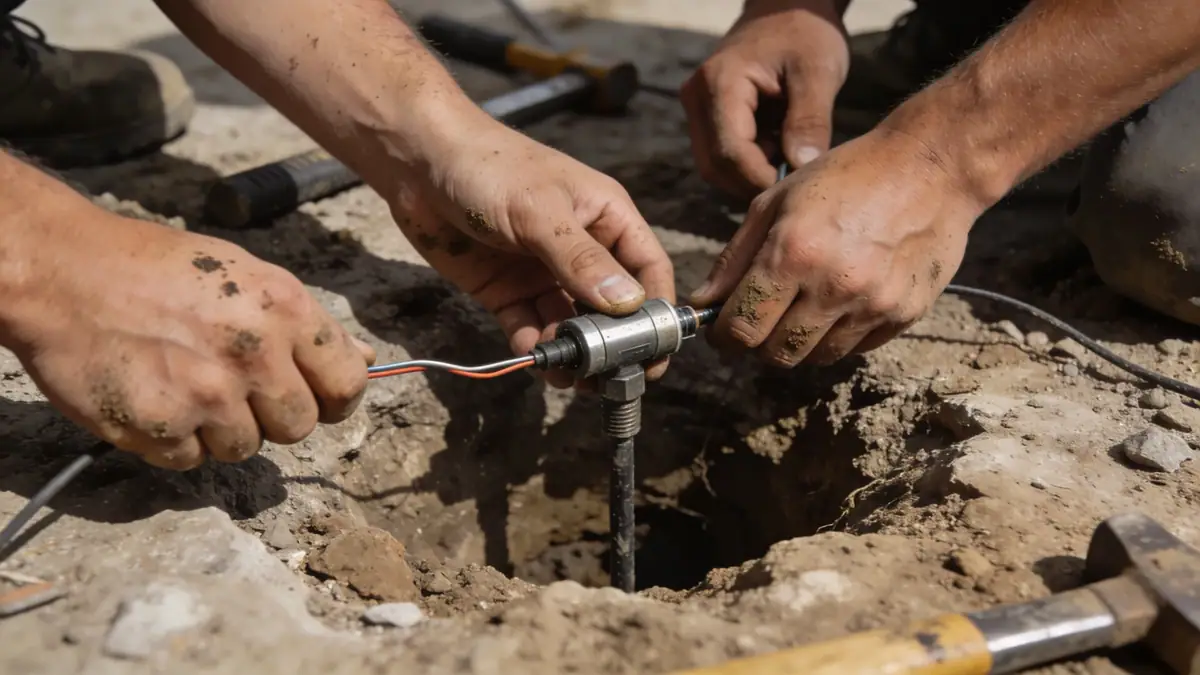
Our methodology for geotechnical engineering in Corpus Christi begins with a comprehensive review of existing geological maps and nearby project records. We then conduct field investigations, including spt boring to recover disturbed and undisturbed samples at prescribed intervals. Laboratory testing follows ASTM standards to determine index properties, strength, and compressibility. Data is analyzed using site-specific correlations and numerical modeling to develop foundation and earthwork recommendations. This systematic approach ensures accurate characterization of subsurface conditions, supporting safe and efficient design.
Reference Technical Parameters
| Parameter | Reference Value |
|---|---|
| Predominant soil type | Stiff clays and sands over compressible clays |
| Maximum seismic acceleration (PGA) | 0.2g (ASCE 7-16, Site Class D) |
| Typical groundwater level | 3 to 6 feet below ground surface |
| Bedrock depth | Greater than 100 feet (deep sedimentary basin) |
| Typical N60 range (SPT) | 10 to 30 blows per foot in sands; 5 to 15 in clays |
Local Considerations — Corpus Christi
Corpus Christi's coastal setting presents unique geotechnical challenges: shallow groundwater, expansive clays, and loose sands susceptible to liquefaction. The region is underlain by the Beaumont Formation, characterized by interbedded clay, silt, and sand. Seismic design must account for potential amplification in soft soils, as per ASCE 7. In older neighborhoods, fill soils may be encountered, requiring careful compaction assessment. Our team integrates local experience with advanced testing to address these conditions, often coordinating with our soil mechanics laboratory for tailored analysis. For broader regional context, we reference our geotechnical engineering en Houston expertise.
Request a Quote
Our team reviews your project and issues an initial report at no cost.
Or write us directly at [email protected]
Services in Corpus Christi
Applicable Standards
- ASTM D1586 (Standard Penetration Test)
- ASCE 7-16 (Minimum Design Loads for Buildings)
- ASTM D2487 (Unified Soil Classification System)
- ASTM D4318 (Atterberg Limits)
- City of Corpus Christi Building Code (IBC 2018)
Frequently Asked Questions
What soil types are most common in Corpus Christi?
Corpus Christi predominantly features stiff clays and sands from the Beaumont Formation, with compressible clays at depth. Expansive clays are common near the surface, requiring careful foundation design to mitigate swelling potential.
Is seismic design required for projects in Corpus Christi?
Yes, the region has moderate seismic hazard per ASCE 7-16, with a maximum considered earthquake spectral response acceleration (S_s) of 0.2g. Site-specific analysis is recommended for critical structures or soft soil sites.
Are geotechnical studies mandatory for construction in Corpus Christi?
Local building codes typically require a geotechnical investigation for new structures, especially those with deep foundations or in areas with known soil issues. Our firm provides compliant reports to satisfy permitting requirements.