Methodology
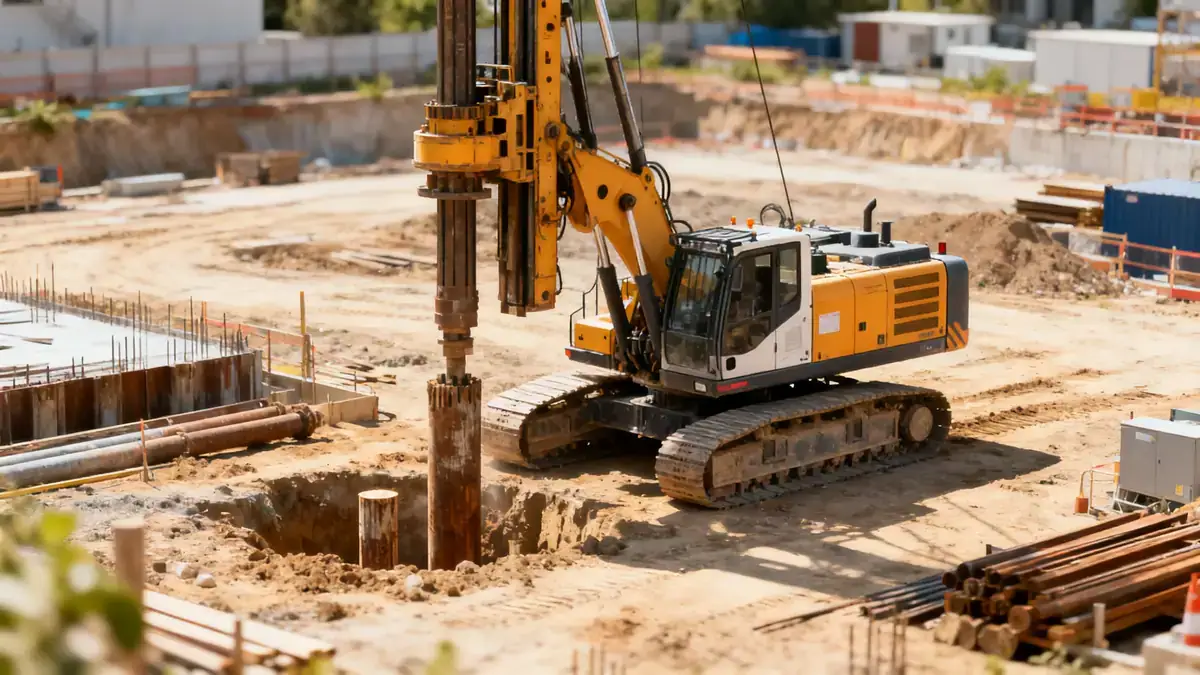
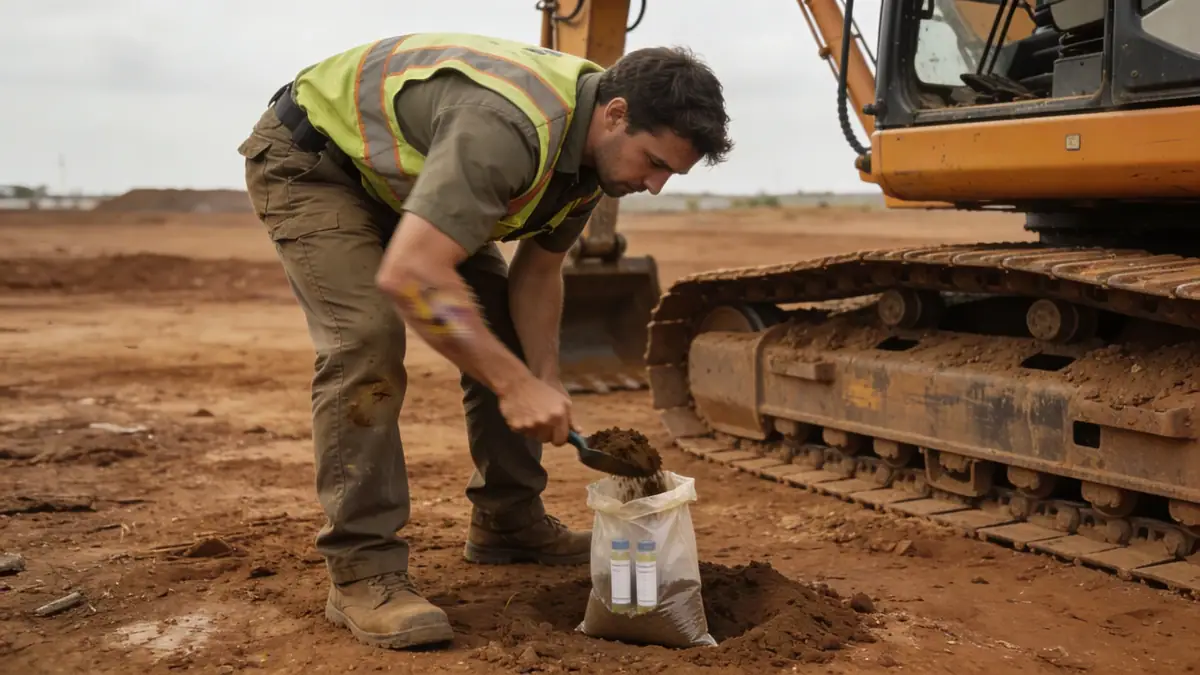
Our methodology in Dallas begins with a thorough review of existing geological maps and subsurface data. We then conduct field investigations, including spt boring to collect soil samples at regular intervals, typically every 1.5 meters per ASTM D1586. Laboratory testing follows, covering classification, strength, and consolidation parameters. Data analysis integrates local seismic hazard maps (ASCE 7) to determine site class and design accelerations. This systematic approach ensures reliable characterization of subsurface conditions for projects ranging from high-rise foundations to infrastructure corridors.
Reference Technical Parameters
| Parameter | Reference Value |
|---|---|
| Predominant soil type | Clay (high plasticity) and sandy clay |
| Maximum seismic acceleration (PGA) | 0.15g (ASCE 7 Site Class D) |
| Typical groundwater level | 5–10 m below surface |
| Bedrock depth | 10–30 m (Austin Chalk) |
| Typical N60 range | 5–25 blows/0.3 m (clay); 20–50 (sand) |
Local Considerations — Dallas
Dallas is underlain by Cretaceous sedimentary rocks, primarily Austin Chalk, overlain by expansive clay soils (Eagle Ford Formation). These clays exhibit high shrink-swell potential, posing risks to shallow foundations without proper mitigation. Groundwater is generally deep (5–10 m), but perched water can occur near the Trinity River. Seismic hazard is moderate (PGA 0.15g), requiring adherence to ASCE 7 seismic design categories. For specialized analysis, our slope stability service addresses the region's occasional landslides in steep terrain. Our hub operations are coordinated from our main office; learn more about our geotechnical engineering en Houston for regional context.
Request a Quote
Our team reviews your project and issues an initial report at no cost.
Or write us directly at [email protected]
Services in Dallas
Applicable Standards
- ASTM D1586
- ASCE 7
- IBC 2021
- Texas Department of Transportation (TxDOT) Geotechnical Manual
Frequently Asked Questions
What are the typical soil conditions in Dallas?
Soils in Dallas are predominantly high-plasticity clays (Eagle Ford Formation) over Austin Chalk bedrock. These clays are expansive and prone to volume changes with moisture, requiring careful foundation design. Sandy layers are also present near the Trinity River.
Is seismic design required for buildings in Dallas?
Yes, per ASCE 7 and IBC 2021, Dallas is in Seismic Design Category C or D, depending on site class. The maximum considered earthquake spectral acceleration (SDS) ranges from 0.2g to 0.4g, necessitating seismic detailing and soil liquefaction evaluation in some areas.
Are geotechnical studies mandatory for construction in Dallas?
While not always legally required for single-family homes, most municipalities and lending institutions require a geotechnical report for commercial and multi-story projects. The Texas Engineering Practice Act mandates that foundation designs be based on adequate subsurface investigations.