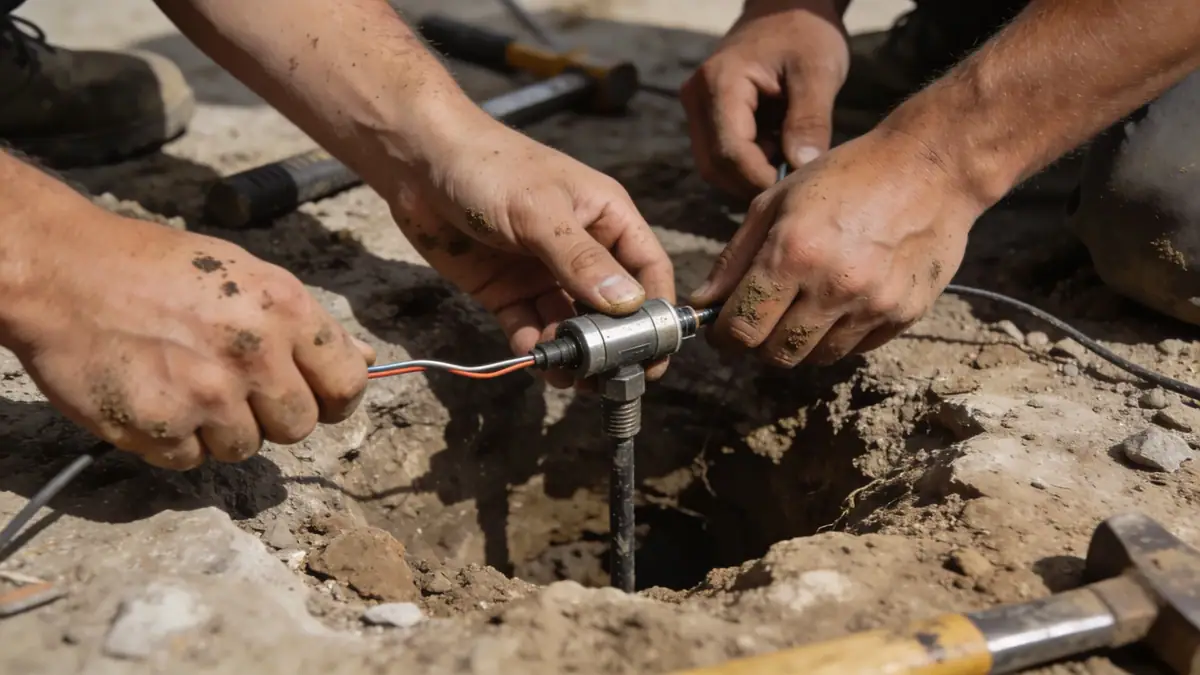
Methodology
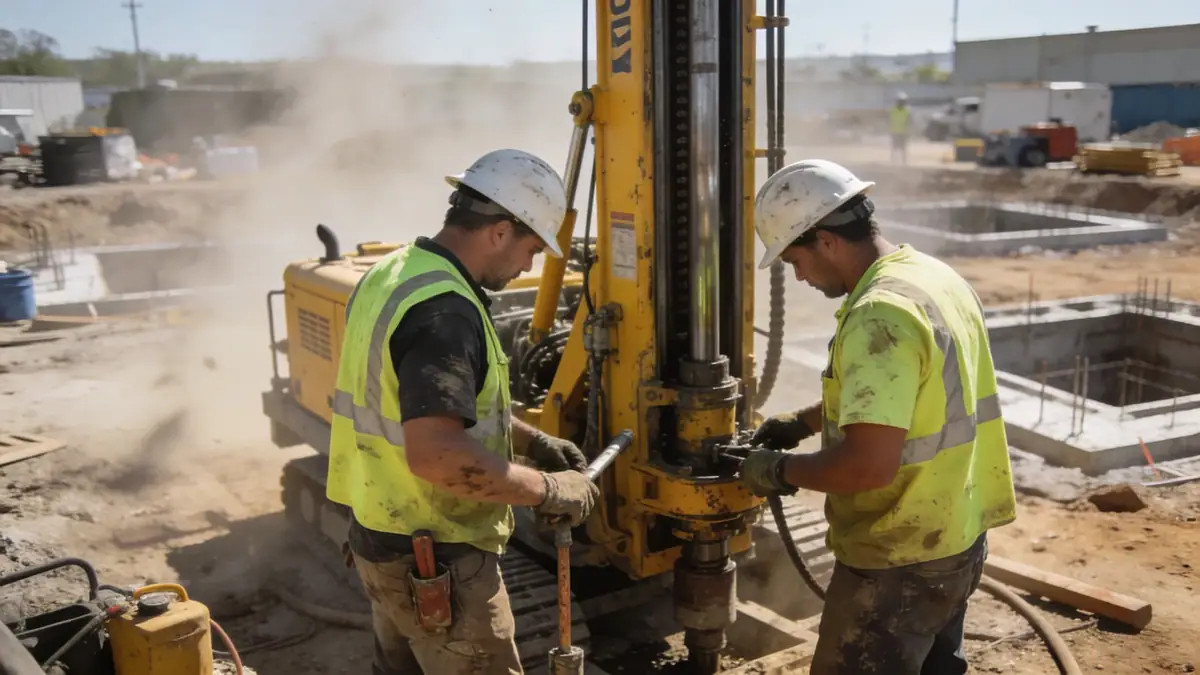
Our methodology for geotechnical engineering in Des Moines begins with a comprehensive desk study of regional geology and existing borings. We then conduct a field exploration program using spt boring to characterize subsurface stratigraphy and obtain soil samples for laboratory testing. In cohesive soils, we perform undrained triaxial and consolidation tests; in granular soils, direct shear and grain size analyses are standard. All testing follows ASTM D1586 for SPT and ASTM D2435 for consolidation. The data are synthesized into a geotechnical report that includes bearing capacity, settlement estimates, and seismic site classification per ASCE 7.
Reference Technical Parameters
| Parameter | Reference Value |
|---|---|
| Predominant soil type | Glacial till (silty clay with sand and gravel) over limestone bedrock |
| Maximum seismic acceleration (PGA) | 0.15 g (ASCE 7, Site Class C) |
| Typical groundwater level | 10–25 ft below grade, variable along river |
| Bedrock depth | 30–80 ft in downtown; shallower in western suburbs |
| Typical N60 range | 10–30 blows/ft in till; 5–15 blows/ft in alluvium |
Local Considerations — Des Moines
Des Moines lies within the Midwest seismic zone, with peak ground acceleration of 0.15 g per ASCE 7. Glacial till provides competent bearing strata, but alluvial deposits near the Des Moines River require careful consideration of groundwater and liquefaction potential. Loess soils in western areas are collapsible when wetted. Our team has extensive experience with deep foundations (driven piles, drilled shafts) in downtown high-rises and shallow foundations in suburban projects. For regional oversight, we coordinate with our geotechnical engineering en Chicago office.
Request a Quote
Our team reviews your project and issues an initial report at no cost.
Or write us directly at [email protected]
Services in Des Moines
Applicable Standards
- ASTM D1586 – Standard Test Method for Standard Penetration Test (SPT)
- ASCE 7 – Minimum Design Loads for Buildings and Other Structures
- IBC – International Building Code (adopted by Iowa)
- ASTM D2435 – Standard Test Methods for One-Dimensional Consolidation of Soils
Frequently Asked Questions
What are the predominant soil types in Des Moines?
Des Moines is underlain by glacial till consisting of silty clay with sand and gravel, overlying limestone bedrock. Loess and alluvial deposits are present in western areas and along the Des Moines River, respectively.
Does Des Moines have seismic design requirements?
Yes, Des Moines is in Seismic Design Category B per ASCE 7, with a peak ground acceleration of 0.15 g. Site-specific seismic analysis is required for critical facilities and sites with soft soils.
Are geotechnical investigations mandatory for construction in Des Moines?
The Iowa State Building Code requires a geotechnical investigation for most commercial and residential buildings with foundations. Our firm provides these studies to ensure compliance and safe design.