Methodology
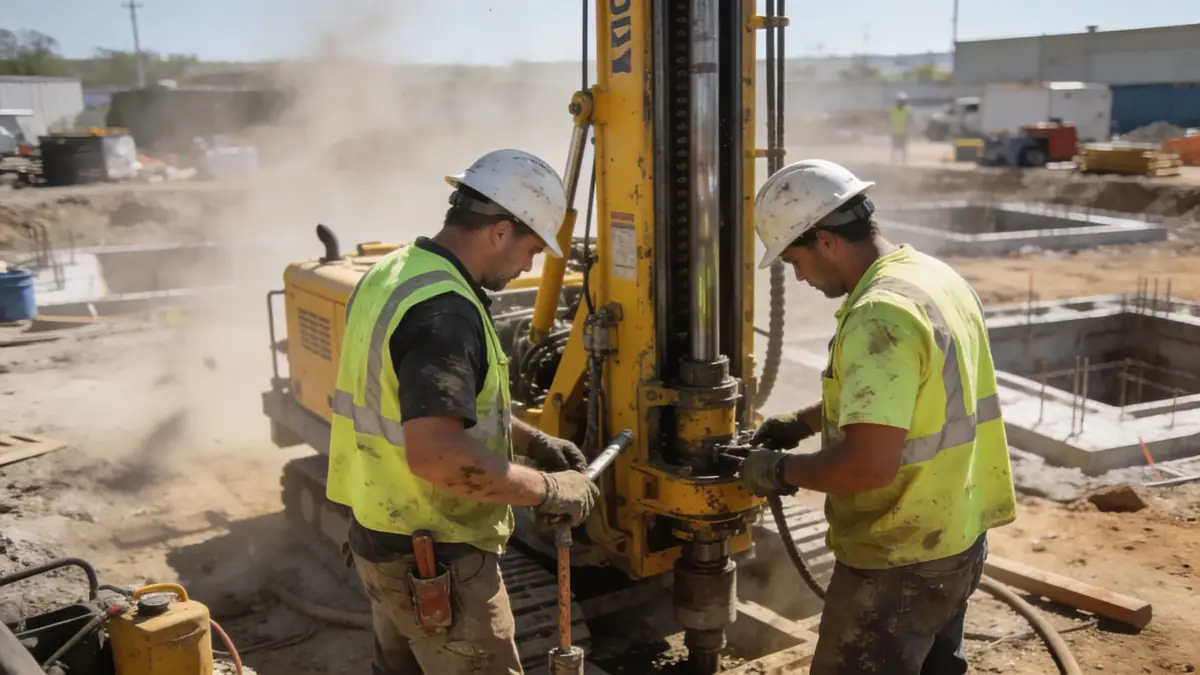
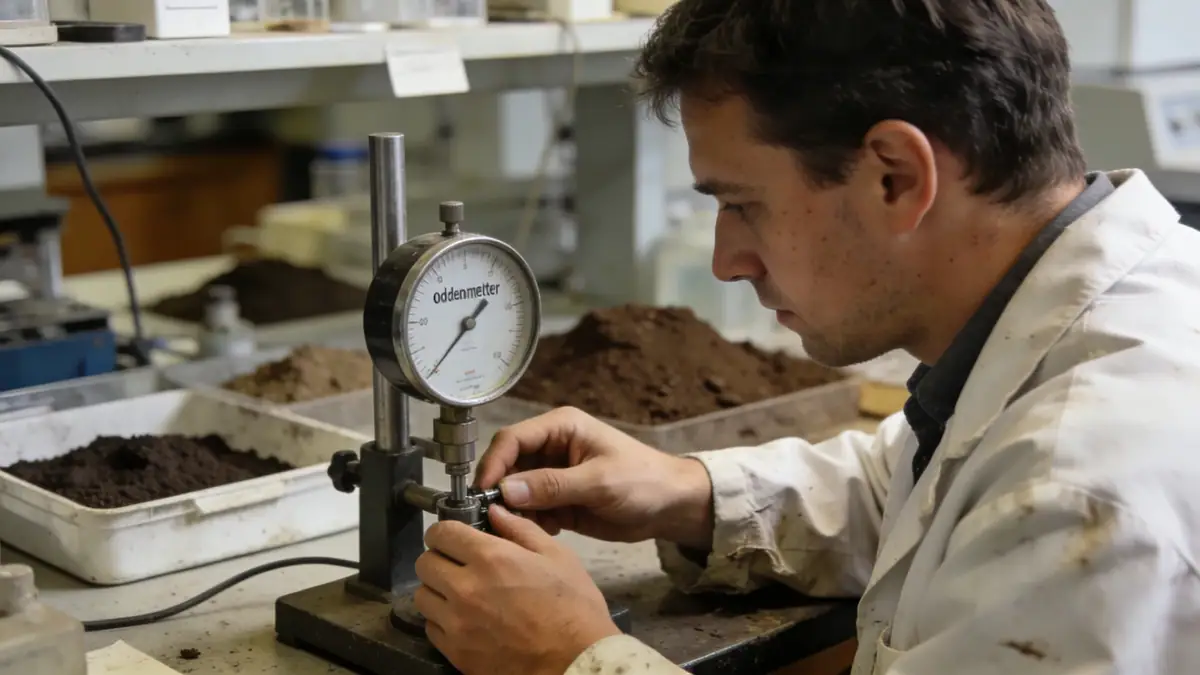
Our methodology in Detroit integrates field investigation programs such as spt boring and laboratory testing to characterize the subsurface. We employ ASTM D1586 for standard penetration tests, typically advancing borings to depths of 8–15 m for residential structures and up to 30 m for industrial facilities. Soil samples are retrieved at 1.0–1.5 m intervals for classification and strength testing. Groundwater monitoring wells are installed to observe seasonal fluctuations. This systematic approach allows us to develop a robust geotechnical model that accounts for the variability of Detroit's glacial till, lacustrine clays, and outwash sands.
Reference Technical Parameters
| Parameter | Reference Value |
|---|---|
| Predominant soil type | Glacial till and lacustrine clay |
| Maximum seismic acceleration (PGA) | 0.15 g (ASCE 7-16 Site Class D) |
| Typical groundwater level | 3–6 m below ground surface |
| Bedrock depth | 30–50 m (Devonian limestone/shale) |
| Typical N60 range | 5–15 in clay, 20–40 in sand |
Local Considerations — Detroit
Detroit's geology is dominated by glacial deposits, including stiff to hard clay (Lacustrine clay) and dense sand/gravel outwash. The region is characterized by moderate seismic hazard (PGA up to 0.15 g per ASCE 7-16) with Site Class D prevailing. Groundwater is typically encountered at depths of 3–6 m, requiring dewatering considerations for excavations. Urban fill, often containing debris, poses challenges for shallow foundations. Our soil mechanics laboratory provides essential data on consolidation and shear strength for these materials. For projects near the Detroit River, soft organic soils may be present. Our team draws on experience from similar conditions in geotechnical engineering en Chicago to deliver practical solutions.
Request a Quote
Our team reviews your project and issues an initial report at no cost.
Or write us directly at [email protected]
Services in Detroit
Applicable Standards
- ASTM D1586
- ASCE 7-16
- International Building Code (IBC)
- Michigan Building Code
Frequently Asked Questions
What are the common soil types encountered in Detroit?
Detroit's subsurface typically consists of glacial till (stiff clay with sand and gravel), lacustrine clay, and outwash sands. Urban areas often contain fill material. The variability requires careful investigation to assess bearing capacity and settlement potential.
Is seismic design required for geotechnical engineering in Detroit?
Yes, per ASCE 7-16, Detroit is in a moderate seismic zone with a PGA of 0.15 g for Site Class D. Geotechnical reports must address liquefaction potential and site classification to comply with the Michigan Building Code.
Are geotechnical studies mandatory for construction in Detroit?
While not always legally required for small projects, most municipalities and lending institutions require a geotechnical report for new construction. It is essential for foundation design, especially in areas with clay soils or fill.