Methodology
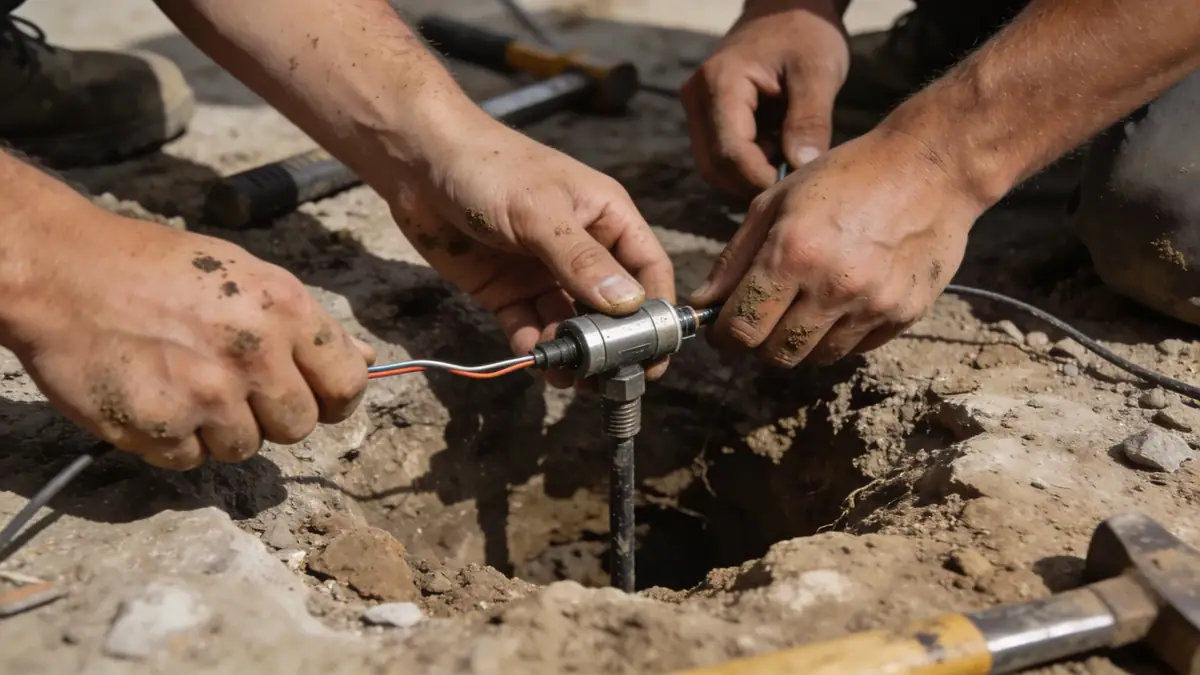
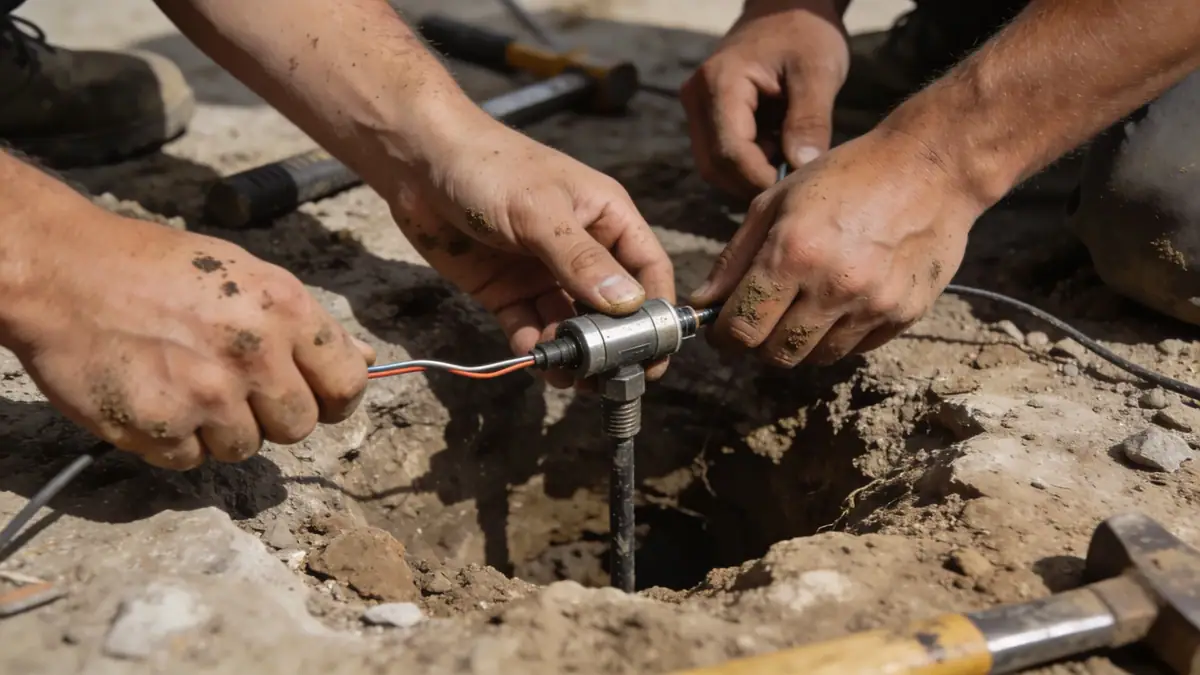
Our geotechnical investigation methodology in Durham follows ASTM D1586 for standard penetration testing (SPT) and other relevant standards to characterize subsurface conditions. We integrate drilling, sampling, laboratory testing, and analysis to assess soil strength, compressibility, and groundwater conditions. For projects requiring detailed profiling, we employ spt boring to obtain continuous soil samples. Our approach includes geophysical surveys, in-situ testing, and advanced laboratory tests such as triaxial compression and consolidation. Results are synthesized into actionable recommendations for foundation design, slope stability, and earthwork, ensuring cost-effective and safe solutions tailored to Durham's unique geological setting.
Reference Technical Parameters
| Parameter | Reference Value |
|---|---|
| Predominant soil type | Residual silt and clay over weathered siltstone/sandstone |
| Maximum seismic acceleration (PGA) | 0.15g (ASCE 7-16) |
| Typical groundwater level | 3–6 m below grade |
| Bedrock depth | 10–25 m (variable) |
| Typical N60 range | 10–40 blows/0.3 m |
Local Considerations — Durham
Durham's geology presents distinct challenges: (1) residual soils over sedimentary rock cause variable bearing capacity; (2) shallow groundwater in the Triassic basin requires dewatering or waterproofing; (3) moderate seismic hazard (PGA 0.15g) necessitates site-specific response analysis per ASCE 7; (4) older neighborhoods near downtown have undocumented fill; (5) typical projects include mid-rise buildings in the Innovation District and residential subdivisions in the suburbs. Our team tailors investigations to each site, often utilizing soil mechanics laboratory for index and strength testing. For regional context, our expertise builds on our base of geotechnical engineering in Philadelphia, providing a broader perspective on varied subsurface conditions.
Request a Quote
Our team reviews your project and issues an initial report at no cost.
Or write us directly at [email protected]
Services in Durham
Applicable Standards
- ASTM D1586
- ASCE 7-16
- IBC 2018 (adopted by North Carolina)
- NC Building Code (Chapter 18 – Soils and Foundations)
- ASTM D2487 (Unified Soil Classification System)
Frequently Asked Questions
What are the typical soil conditions in Durham?
Durham's soils are primarily residual, derived from weathered Triassic sedimentary rocks such as siltstone and sandstone. These soils are often silty clays or clayey silts with varying plasticity. The N60 values from SPT typically range from 10 to 40, indicating medium to dense conditions, though variability over short distances is common.
Does Durham have specific seismic design requirements?
Yes, Durham is classified under Seismic Design Category B or C per ASCE 7-16, with a mapped peak ground acceleration of 0.15g. While not high, site-specific response analysis may be required for certain structures. The North Carolina Building Code adopts IBC 2018 seismic provisions, and our firm ensures compliance through rigorous geotechnical evaluation.
Are geotechnical studies mandatory for construction in Durham?
For most commercial and multi-family residential projects, a geotechnical report is required by the North Carolina Building Code, especially for structures with shallow foundations or significant loads. Single-family homes may not always require a full study, but our team recommends at least a limited investigation to identify potential issues like expansive soils or shallow bedrock.