Methodology
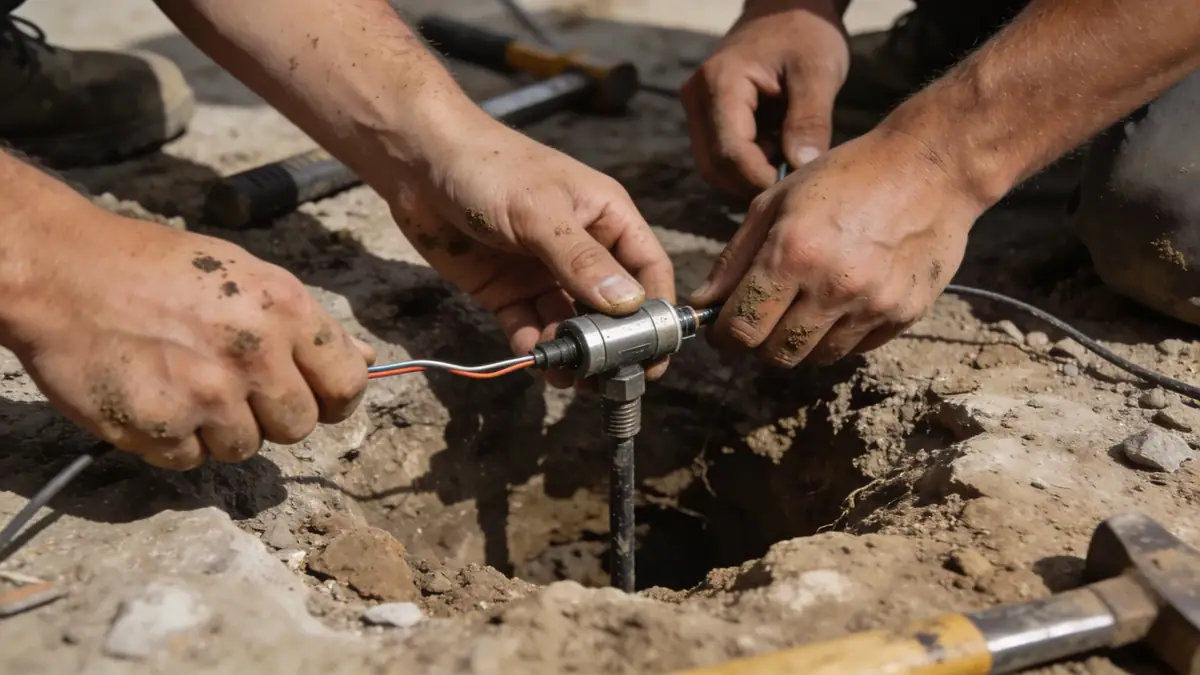
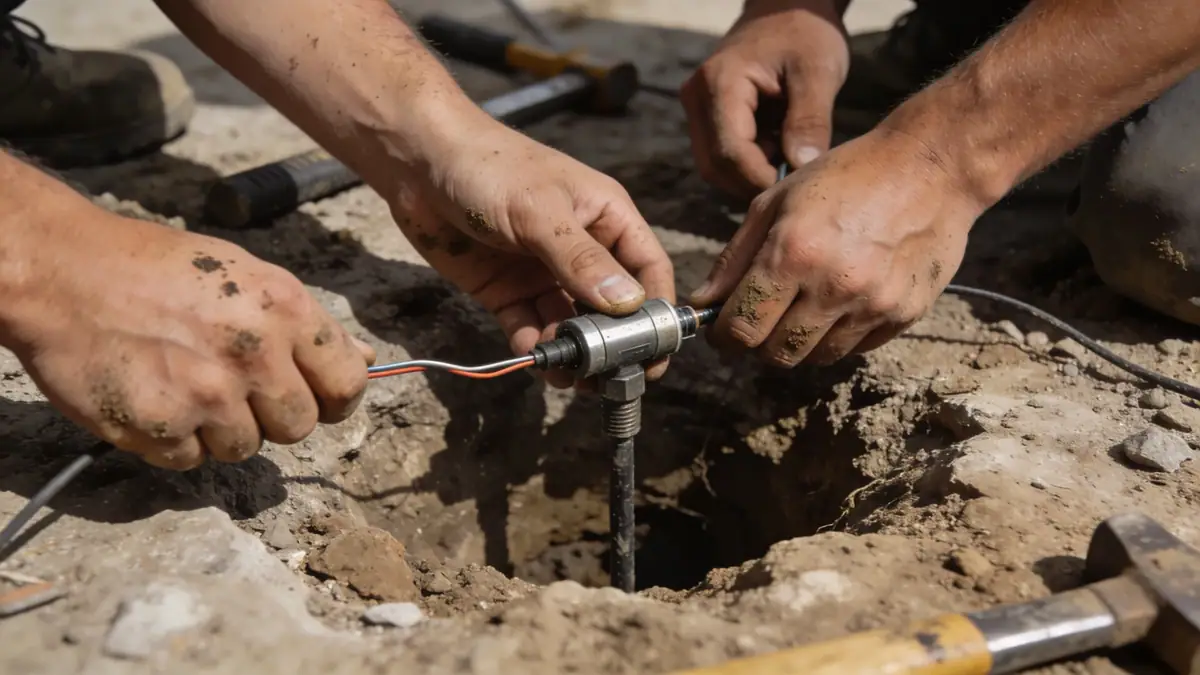
Our methodology in El Paso integrates standard penetration testing (SPT) per ASTM D1586 with advanced laboratory characterization. We tailor investigation depths and spacing based on site geology, typically advancing borings to 10–15 meters in alluvial deposits and shallower in bedrock areas. Soil samples undergo index testing, strength evaluation, and consolidation analysis to support foundation design. Our reports include seismic site classification per ASCE 7, liquefaction potential assessment, and settlement estimates. For more on our drilling approach, see our spt boring services.
Reference Technical Parameters
| Parameter | Reference Value |
|---|---|
| Predominant soil type | Silty sand (SM) and clayey sand (SC) |
| Maximum seismic acceleration (PGA) | 0.2g–0.3g (ASCE 7) |
| Typical groundwater level | 5–15 m below grade (Rio Grande valley) |
| Bedrock depth | 5–30 m (variable; shallow in mountain fronts) |
| Typical N60 range | 10–40 blows/ft (alluvial soils) |
Local Considerations — El Paso
El Paso's geology is dominated by Quaternary alluvial deposits from the Rio Grande, with coarser materials near the channel and finer silts/clays in floodplains. The Franklin Mountains expose Cretaceous limestone and shale, leading to shallow bedrock in the northeast. Seismic hazard is moderate, with peak ground accelerations up to 0.3g, requiring site-specific response analysis for critical structures. In west El Paso, expansive clays pose shrink-swell risks, while the Lower Valley presents liquefaction potential under saturated conditions. Our team integrates these factors into every investigation, referencing local building codes. For laboratory testing, visit our soil mechanics laboratory.
Request a Quote
Our team reviews your project and issues an initial report at no cost.
Or write us directly at [email protected]
Services in El Paso
Applicable Standards
- ASTM D1586 (Standard Penetration Test)
- ASCE 7 (Minimum Design Loads for Buildings)
- International Building Code (IBC) 2021
- City of El Paso Building Code
Frequently Asked Questions
What soil types are typical in El Paso?
El Paso's soils are primarily alluvial silty sands and clayey sands deposited by the Rio Grande. In the mountain foothills, residual soils over limestone and shale are common. Expansive clays are present in some areas, requiring special foundation design.
Does El Paso have seismic design requirements?
Yes, El Paso is in Seismic Design Category C per ASCE 7, with peak ground accelerations of 0.2g–0.3g. Site-specific ground motion analysis may be required for essential facilities. Our team performs seismic site classification and liquefaction assessments per code.
Are geotechnical studies mandatory for construction in El Paso?
While not always legally required for single-family homes, most commercial and multi-story projects necessitate a geotechnical report for permitting. Lenders and insurers often require subsurface investigations to mitigate risk.