
Methodology
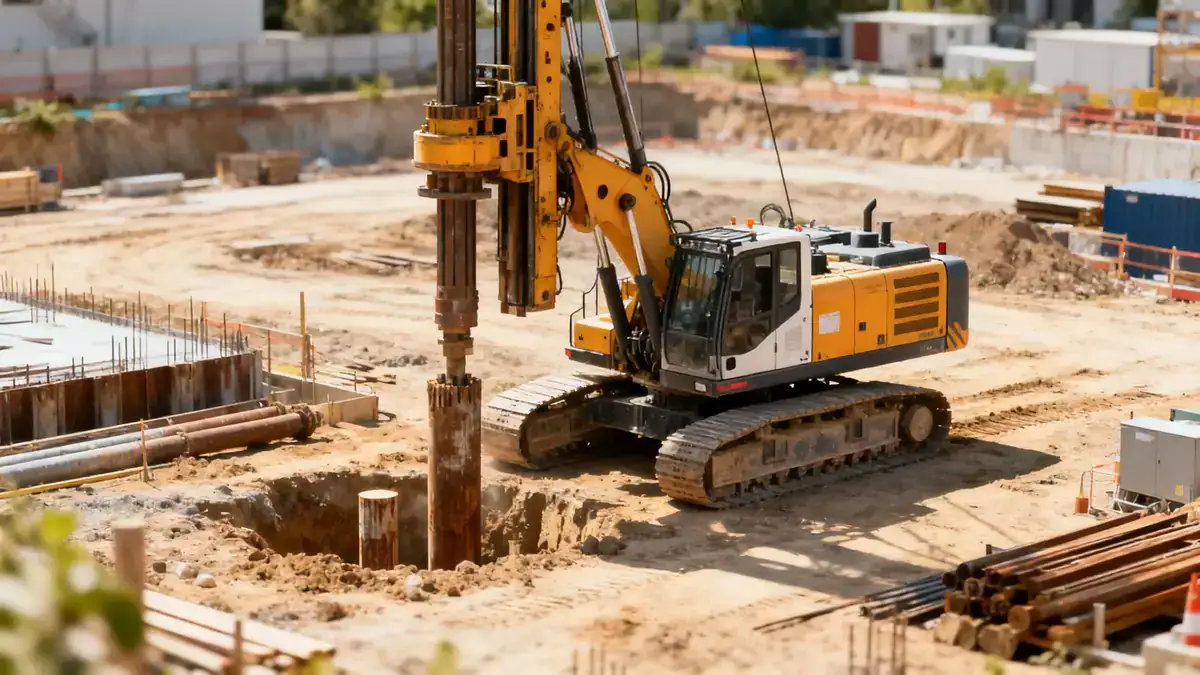
Our geotechnical engineering methodology in Elk Grove begins with a detailed review of existing geologic maps and seismic hazard data. We then conduct field investigations, including spt boring to characterize subsurface stratigraphy and collect disturbed and undisturbed samples. Laboratory testing follows, using ASTM standards to determine index properties, strength, and consolidation characteristics. Our approach integrates site-specific data with regional knowledge to provide reliable recommendations for foundation design, earthwork, and seismic mitigation.
Reference Technical Parameters
| Parameter | Reference Value |
|---|---|
| Predominant soil type | Alluvial sands, silts, and clays with gravel layers |
| Maximum seismic acceleration (PGA) | 0.4g (ASCE 7-16, Site Class D) |
| Typical groundwater level | 10 to 25 feet below ground surface |
| Bedrock depth | Greater than 100 feet (deep alluvial basin) |
| Typical N60 range (SPT) | 5 to 30 blows per foot in cohesionless soils |
Local Considerations — Elk Grove
Elk Grove's geology is dominated by Quaternary alluvial deposits from the Sacramento River and its tributaries. These soils are typically loose to medium dense sands and soft to stiff clays, with variable gravel content. Groundwater levels are shallow in areas near the Cosumnes River, requiring dewatering for excavations. Seismic hazards include strong ground shaking from the Great Valley and Foothills fault systems, with peak accelerations up to 0.4g. Soil liquefaction potential is moderate in saturated loose sands. Local regulations require site-specific geotechnical reports for most developments, referencing the California Building Code. For projects requiring broader regional context, we also offer geotechnical engineering en Los Angeles services.
Request a Quote
Our team reviews your project and issues an initial report at no cost.
Or write us directly at [email protected]
Services in Elk Grove
Applicable Standards
- ASTM D1586 (Standard Test Method for Standard Penetration Test)
- ASCE 7-16 (Minimum Design Loads for Buildings and Other Structures)
- California Building Code (CBC) 2022
- City of Elk Grove Engineering Standards
Frequently Asked Questions
What are the typical soil conditions in Elk Grove?
Elk Grove's soils are predominantly alluvial, consisting of sands, silts, and clays deposited by ancient river systems. These layers can vary in density and consistency, with occasional gravel lenses. Groundwater is typically encountered between 10 and 25 feet depth, influencing excavation and foundation design.
How does seismic activity affect geotechnical engineering in Elk Grove?
Elk Grove is in Seismic Design Category D according to ASCE 7, with a maximum considered earthquake spectral response acceleration of 0.4g. Geotechnical investigations must evaluate liquefaction potential, site amplification, and lateral spreading risks to ensure foundations and retaining structures are designed to withstand seismic forces.
Are geotechnical studies mandatory for construction in Elk Grove?
Yes, the City of Elk Grove requires a geotechnical investigation report for most new construction and significant additions. This report must address soil bearing capacity, settlement, groundwater, and seismic hazards, following the California Building Code and local guidelines.