Methodology
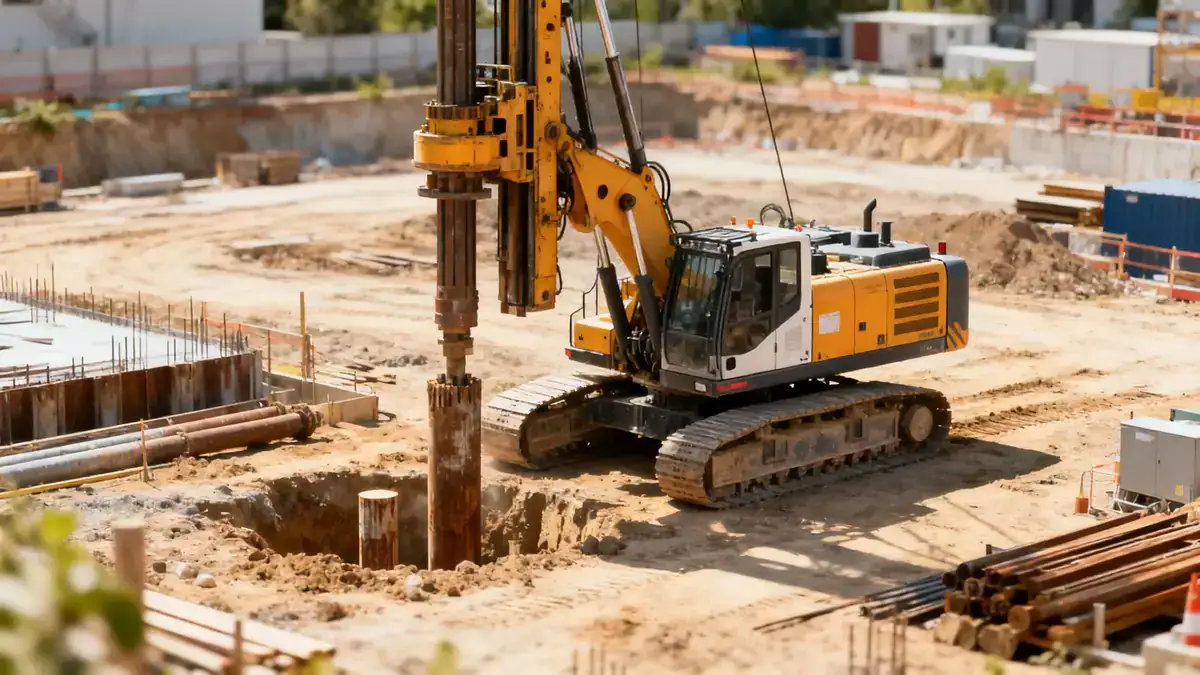
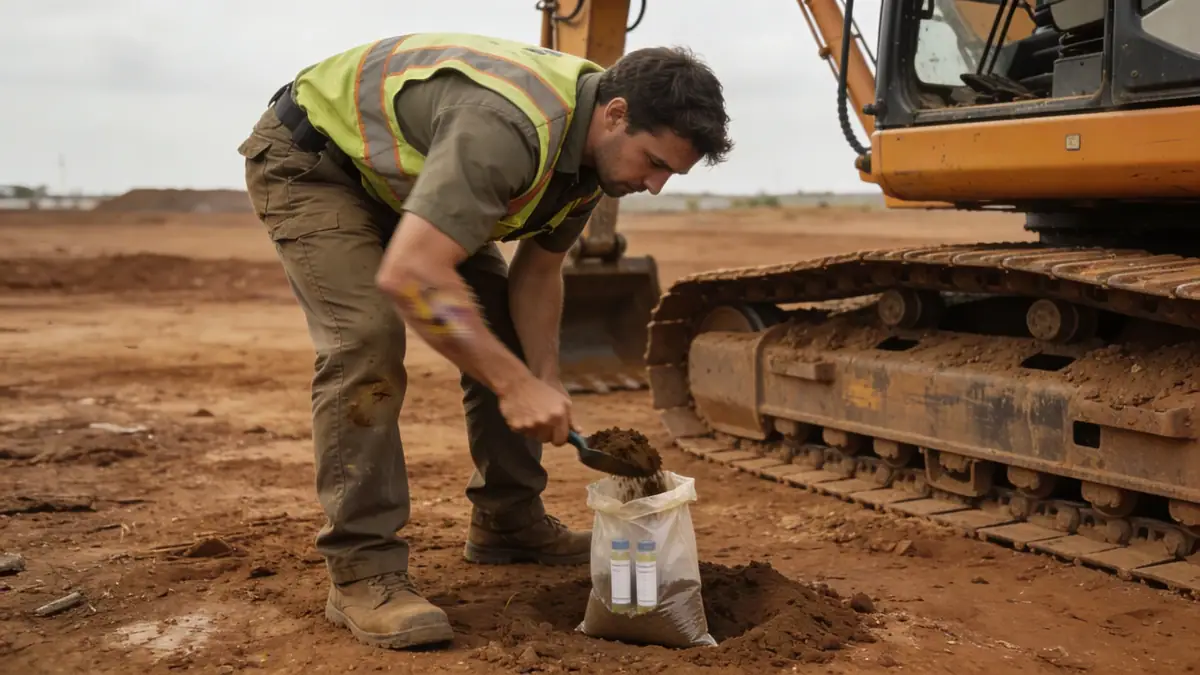
Our methodology for geotechnical engineering in Escondido begins with a comprehensive review of regional geology and historical data. We conduct field investigations, including spt boring, to characterize subsurface conditions. Soil samples are analyzed in our soil mechanics laboratory to determine physical and mechanical properties. This data informs foundation design, slope stability assessments, and seismic hazard evaluations. We adhere to ASTM D1586 for standard penetration tests and utilize ASCE 7 for seismic load calculations, ensuring that our recommendations meet regulatory requirements and project-specific needs.
Reference Technical Parameters
| Parameter | Reference Value |
|---|---|
| Predominant soil type | Silty sand and clay (SM, CL) |
| Maximum seismic acceleration (PGA) | 0.4g (based on ASCE 7 seismic hazard maps) |
| Typical groundwater level | 10-20 ft below ground surface |
| Bedrock depth | 50-100 ft (granitic bedrock) |
| Typical N60 range | 10-30 blows/ft (variable) |
Local Considerations — Escondido
Escondido's geology is characterized by alluvial and colluvial soils overlying granitic bedrock. The city lies in a seismically active region, with potential for strong ground motions from the Elsinore and San Jacinto fault zones. Groundwater levels vary, typically encountered at depths of 10-20 ft, influencing excavation and foundation design. Older neighborhoods in the central valley may have deeper alluvial deposits, while hillside areas require careful slope stability analysis. Our team has addressed these conditions in diverse projects, including residential subdivisions and commercial developments. For comprehensive services, our slope stability expertise is critical for hillside sites.
Request a Quote
Our team reviews your project and issues an initial report at no cost.
Or write us directly at [email protected]
Services in Escondido
Applicable Standards
- ASTM D1586
- ASCE 7
- California Building Code (CBC)
- City of Escondido Municipal Code
Frequently Asked Questions
What types of soil are common in Escondido?
Escondido predominantly features silty sands and clays (SM, CL) from alluvial deposits, underlain by granitic bedrock. These soils can exhibit variable strength and compressibility, requiring site-specific testing for foundation design.
How does seismic activity affect geotechnical engineering in Escondido?
Escondido is in a high seismic zone due to nearby faults. Peak ground acceleration (PGA) can reach 0.4g, necessitating thorough seismic hazard assessments per ASCE 7 to ensure structures withstand expected ground motions.
Are geotechnical studies mandatory for construction in Escondido?
Yes, the City of Escondido requires geotechnical reports for most new construction and significant renovations, as per the California Building Code and local ordinances. These studies evaluate soil stability, bearing capacity, and seismic risks.