
Methodology
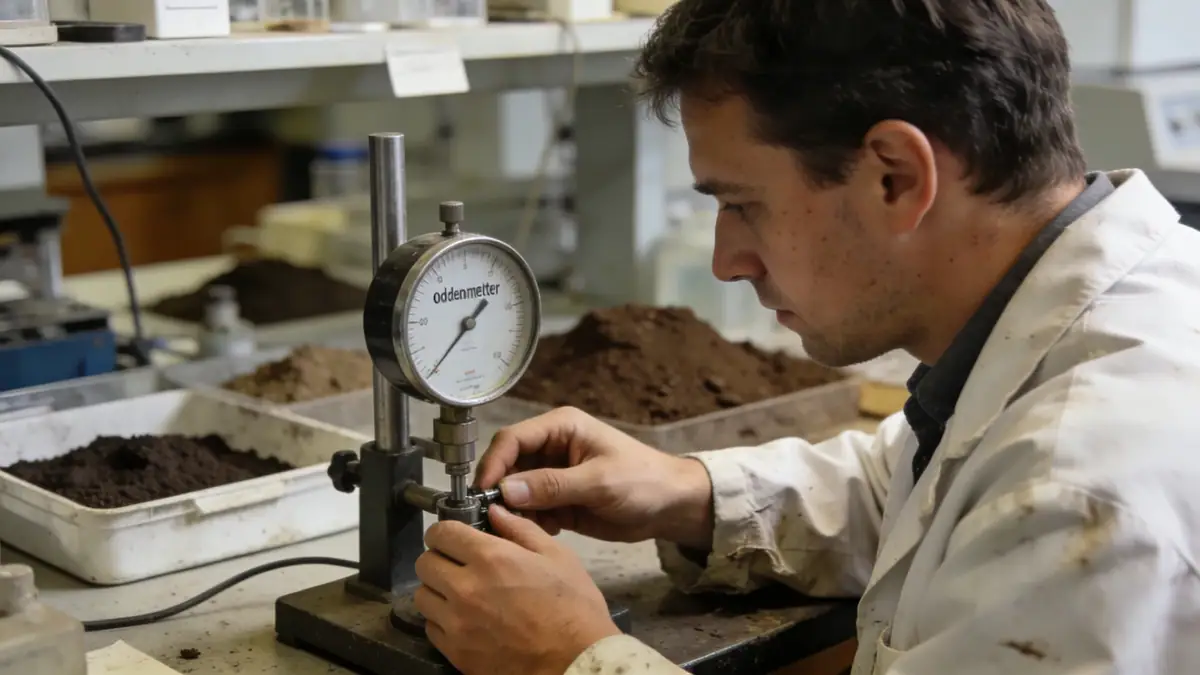
Our methodology for geotechnical engineering in Eugene Oregon begins with a thorough review of existing geological maps and historical data. We then conduct field investigations, including spt boring per ASTM D1586, to obtain soil samples and measure resistance. Laboratory testing follows, with classification (ASTM D2487), strength, and consolidation tests. Seismic hazard analysis is integrated using ASCE 7 parameters. All data is synthesized into a geotechnical report with recommendations for foundations, retaining walls, and slope stability.
Reference Technical Parameters
| Parameter | Reference Value |
|---|---|
| Predominant soil type | Silty sand and clay with gravel layers |
| Maximum seismic acceleration (PGA) | 0.3g – 0.4g (ASCE 7) |
| Typical groundwater level | 1.5 – 4.5 m below ground surface |
| Bedrock depth | 30 – 60 m |
| Typical N60 range | 5 – 30 blows/0.3 m |
Local Considerations — Eugene Oregon
Eugene Oregon sits within the Willamette Valley, characterized by deep alluvial deposits over sedimentary bedrock. The region is seismically active due to the Cascadia subduction zone, requiring site-specific response analysis. Groundwater is typically shallow, complicating excavations and foundation construction. In older neighborhoods, undocumented fill may be present. Our team integrates these factors into every study, referencing our soil mechanics laboratory for precise testing. For broader regional context, see geotechnical engineering en Seattle.
Request a Quote
Our team reviews your project and issues an initial report at no cost.
Or write us directly at [email protected]
Services in Eugene Oregon
Applicable Standards
- ASTM D1586 – Standard Test Method for SPT
- ASTM D2487 – Unified Soil Classification System
- ASCE 7 – Minimum Design Loads for Buildings
- International Building Code (IBC) – Seismic Provisions
- Oregon Structural Specialty Code (OSSC)
Frequently Asked Questions
What soil types are common in Eugene Oregon?
Eugene Oregon typically has silty sands, clays, and gravels from alluvial deposits. These soils vary laterally and with depth, often requiring detailed investigation for foundation design.
Is seismic analysis required for projects in Eugene Oregon?
Yes, due to the Cascadia subduction zone, seismic hazard analysis per ASCE 7 is essential. Site-specific response spectra and liquefaction potential must be evaluated for most structures.
Are geotechnical studies mandatory in Eugene Oregon?
Local building codes generally require geotechnical reports for new construction, especially in areas with known soil issues or high seismic risk. Exceptions may apply for minor additions.