Methodology
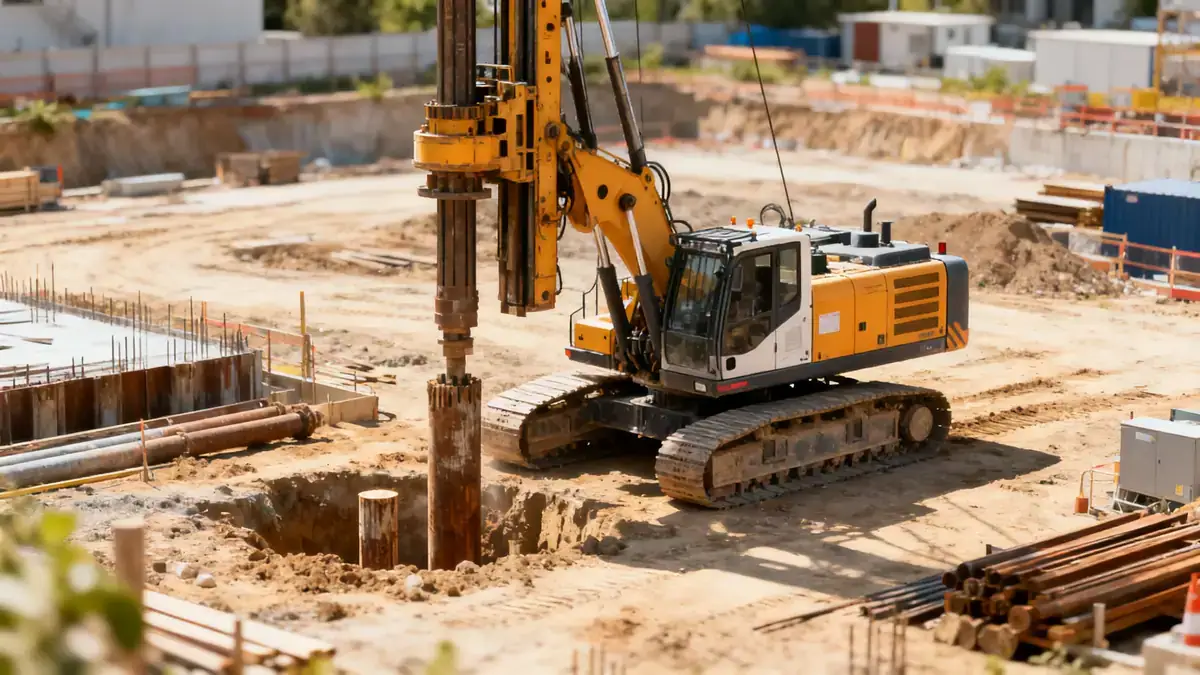
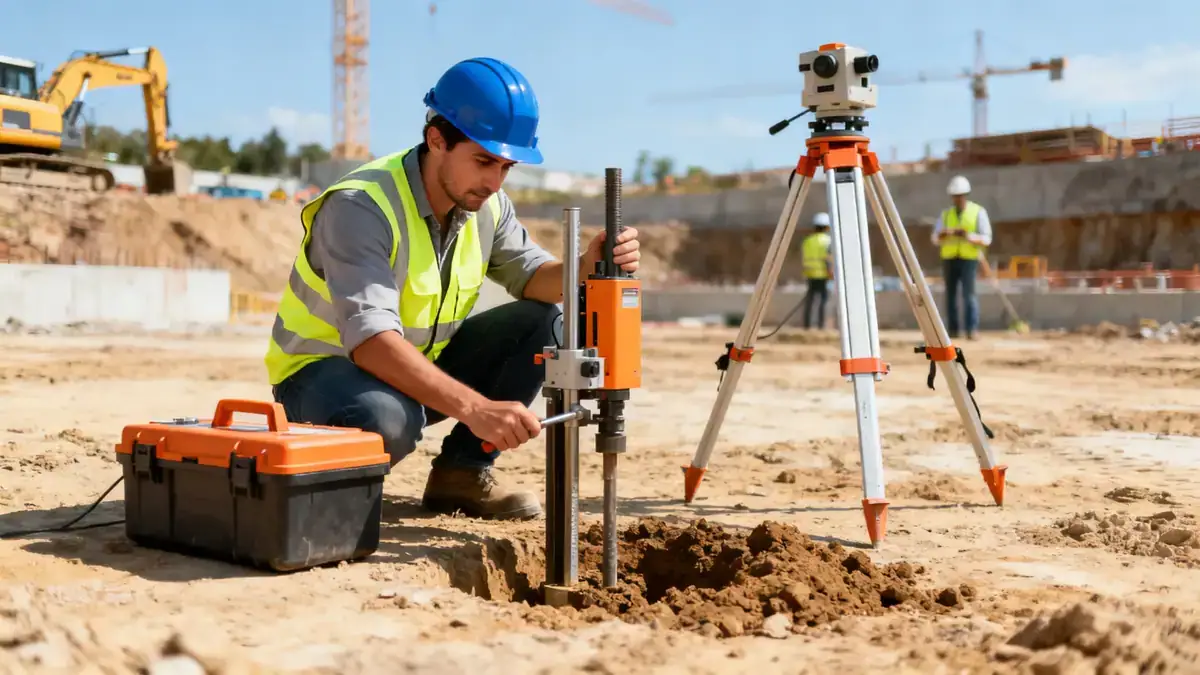
Our approach to geotechnical engineering in Fort Wayne begins with a thorough review of existing geological data and project requirements. We employ standardized field investigation techniques, including spt boring to characterize subsurface conditions at multiple depths. In our laboratory, we classify soils according to the Unified Soil Classification System (USCS) and determine engineering properties such as shear strength and consolidation parameters. All testing follows ASTM and AASHTO standards, ensuring reliable data for foundation design and earthwork specifications. Our methodology prioritizes consistency and traceability, from field sampling to final reporting.
Reference Technical Parameters
| Parameter | Reference Value |
|---|---|
| Predominant soil type | Glacial till (sandy clay to silty sand) with outwash gravels and lacustrine clays |
| Maximum seismic acceleration (PGA) | 0.10g to 0.15g (ASCE 7-16 risk category II) |
| Typical groundwater level | 3 to 8 meters below ground surface, varies seasonally |
| Bedrock depth | 30 to 60 meters (limestone and dolomite) |
| Typical N60 range (SPT) | 8 to 30 blows/ft in till; higher in gravel layers |
Local Considerations — Fort Wayne
Fort Wayne is underlain by glacial deposits of the Wisconsinan stage, with the St. Joseph River valley influencing local stratigraphy. The area features thick sequences of lacustrine clays and silts in low-lying zones, while upland areas contain dense glacial tills. Groundwater is generally shallow near the river, requiring dewatering considerations for deep excavations. Seismic design follows ASCE 7, with Site Class C or D depending on soil shear wave velocity. For reliable subsurface characterization, we integrate our soil mechanics laboratory services to test index and engineering properties specific to Fort Wayne soils.
Request a Quote
Our team reviews your project and issues an initial report at no cost.
Or write us directly at [email protected]
Services in Fort Wayne
Applicable Standards
- ASTM D1586 (Standard Penetration Test)
- ASCE 7-16 (Minimum Design Loads for Buildings)
- ASTM D2487 (Classification of Soils for Engineering Purposes)
- IBC 2021 (International Building Code)
Frequently Asked Questions
What types of soil are commonly found in Fort Wayne?
Fort Wayne's soils are primarily glacial till, consisting of sandy clay to silty sand, with outwash gravels and lacustrine clays in river valleys. These materials can vary significantly over short distances, making site-specific investigations essential for foundation design.
What seismic design considerations apply in Fort Wayne?
Fort Wayne is in a moderate seismic zone with a peak ground acceleration (PGA) of 0.10g to 0.15g per ASCE 7-16. Site classification (C or D) depends on soil properties, and liquefaction potential should be evaluated in saturated sand layers.
Is a geotechnical study required for construction in Fort Wayne?
While local building codes may not mandate geotechnical studies for all projects, the IBC recommends them for most structures. A professional geotechnical investigation helps mitigate risks related to soil variability, settlement, and groundwater, ensuring safe and cost-effective foundations.