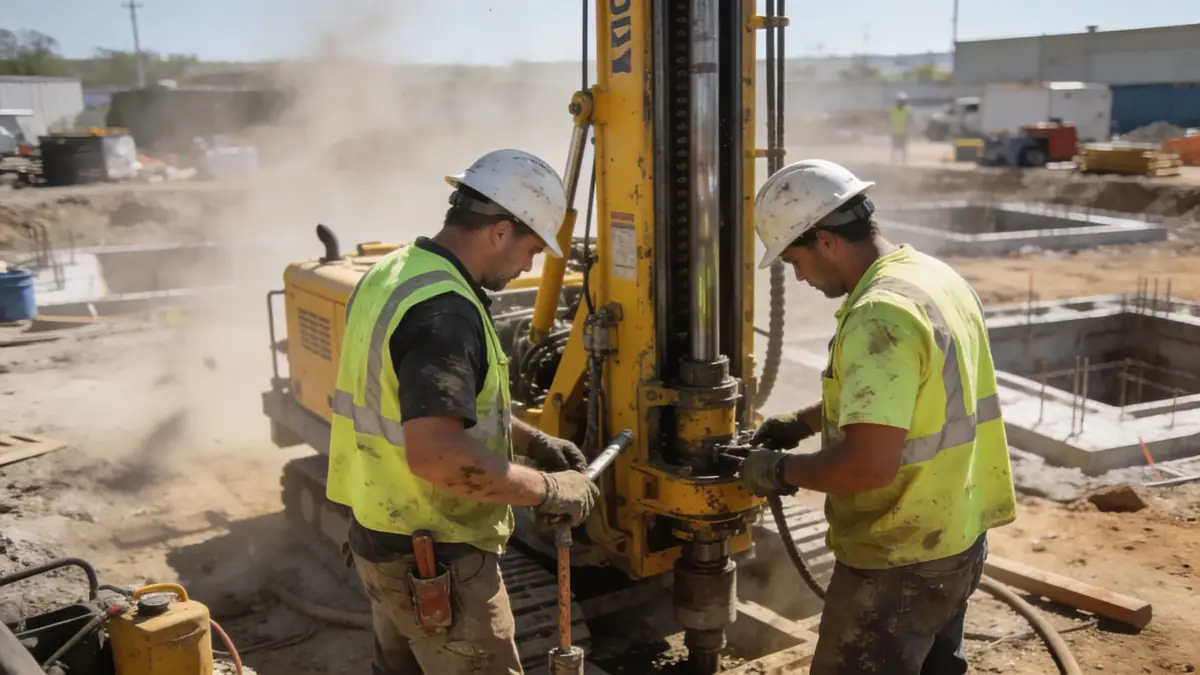
Methodology
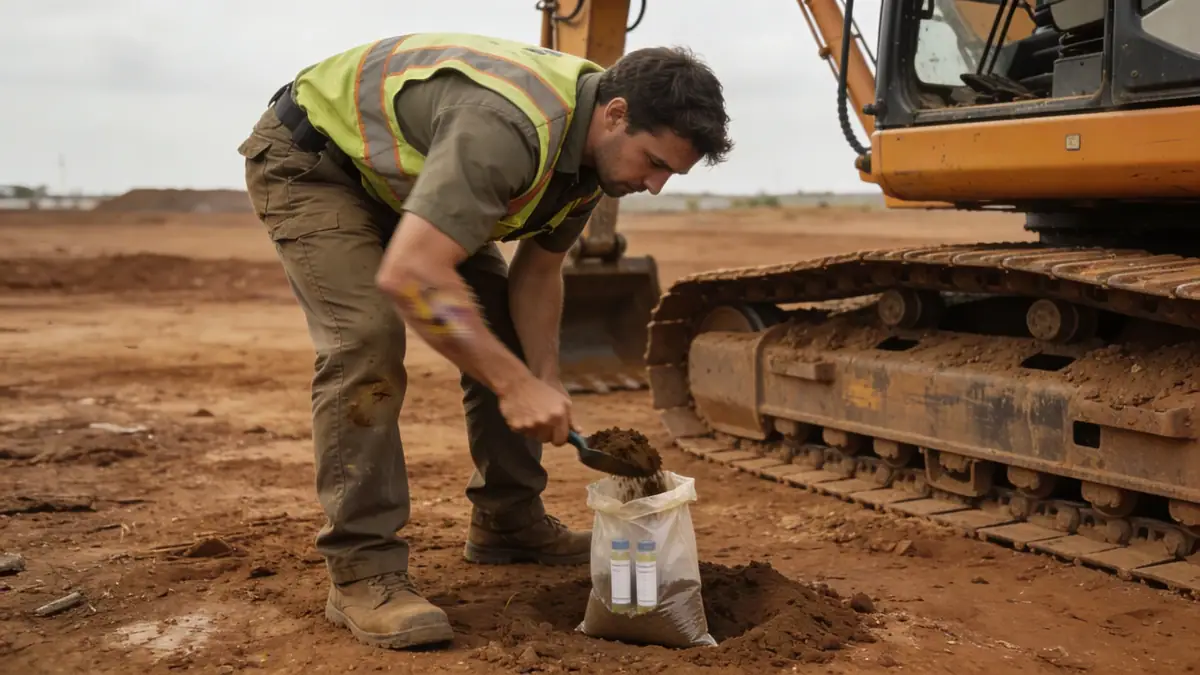
Our methodology for geotechnical engineering in Fort Worth begins with a thorough review of existing geological maps and local soil surveys. We then perform spt boring at strategically located points to characterize subsurface conditions, typically extending to depths of 10–20 meters. In the laboratory, we classify soils according to the Unified Soil Classification System and determine engineering properties through index tests. For slope stability and retaining wall design, we use limit equilibrium methods and consider the high plasticity of local clays. All investigations follow ASTM D1586 for standard penetration testing and ASTM D2487 for soil classification.
Reference Technical Parameters
| Parameter | Reference Value |
|---|---|
| Predominant soil type | Expansive clay (CH, MH) with interbedded sand and gravel |
| Maximum seismic acceleration (PGA) | 0.10–0.15 g (ASCE 7-16, Site Class C–D) |
| Typical groundwater level | 5–15 m below ground surface, variable with season |
| Bedrock depth | 10–30 m (Eagle Ford Shale, Austin Chalk) |
| Typical N60 range | 5–30 blows/ft for clay; 20–50 blows/ft for sand/gravel |
Local Considerations — Fort Worth
Fort Worth's geology is dominated by Cretaceous sedimentary formations, including Eagle Ford Shale and Austin Chalk, overlain by highly plastic clay soils. These expansive clays pose significant risks of heave and settlement for lightly loaded structures. Groundwater levels fluctuate with seasonal rainfall, requiring careful dewatering or drainage design. Seismic hazard is low to moderate, but soil amplification can occur in deeper clay layers. Older neighborhoods near the Trinity River may have alluvial deposits with variable bearing capacity. Our team integrates these local factors into every geotechnical engineering project. For larger operations, we coordinate with our geotechnical engineering en Houston office to leverage regional expertise.
Request a Quote
Our team reviews your project and issues an initial report at no cost.
Or write us directly at [email protected]
Services in Fort Worth
Applicable Standards
- ASTM D1586 (Standard Penetration Test)
- ASCE 7-16 (Minimum Design Loads and Associated Criteria for Buildings and Other Structures)
- International Building Code (IBC) 2021 (adopted by Fort Worth)
- ASTM D2487 (Classification of Soils for Engineering Purposes)
- ASTM D4318 (Liquid Limit, Plastic Limit, and Plasticity Index)
Frequently Asked Questions
What are the typical soil conditions for geotechnical engineering in Fort Worth?
Soils in Fort Worth predominantly consist of highly plastic clays (CH) and silty clays (MH) derived from the Eagle Ford Shale. These expansive soils require careful evaluation of shrink-swell potential. Deeper layers may include weathered shale and limestone bedrock at depths of 10–30 meters.
Does Fort Worth have specific seismic design requirements?
Fort Worth falls under Seismic Design Category B per ASCE 7-16, with peak ground accelerations of 0.10–0.15 g. While seismic risk is moderate, local soil conditions may amplify ground motions. Geotechnical reports must include site class determination and liquefaction assessment where applicable.
Are geotechnical studies mandatory for construction projects in Fort Worth?
Yes, the City of Fort Worth requires a geotechnical investigation for most new structures, additions, and significant renovations. The study must address soil bearing capacity, expansive soil potential, and groundwater conditions. Reports should comply with IBC 2021 and local amendments.